Tackling Poverty in the Cook Islands Post-Pandemic
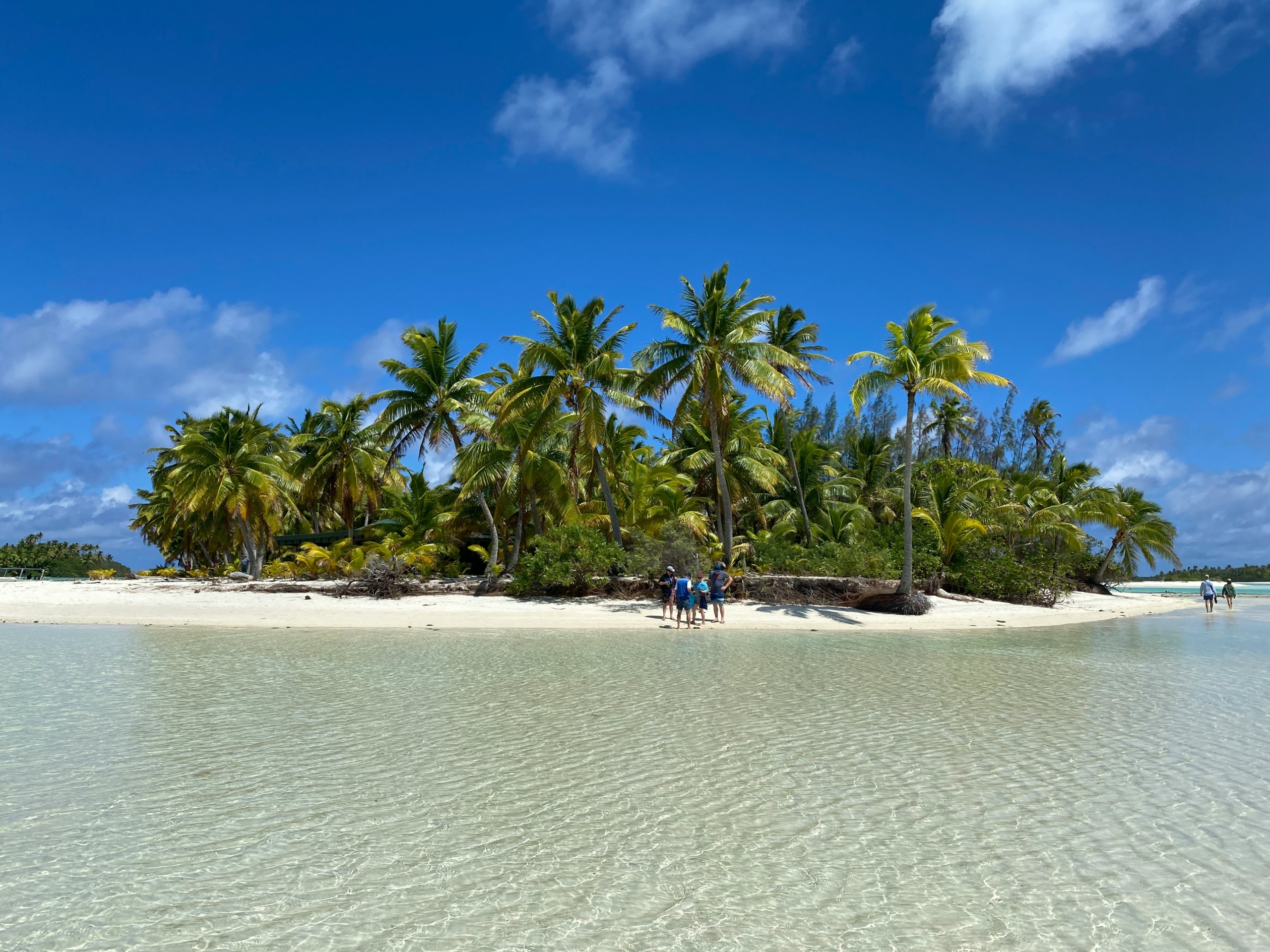 The Cook Islands, an idyllic South Pacific archipelago, faced significant socioeconomic and poverty challenges after the COVID-19 pandemic. Traditionally reliant on tourism, global travel restrictions severely disrupted the nation’s primary industry, leading to widespread economic hardship.
Economic Disruption and Job Losses
The COVID-19 pandemic dealt a devastating blow to the Cook Islands’ economy. Tourism, which contributed approximately 70% of the nation’s gross domestic product (GDP) in 2018, abruptly halted as global travel restrictions were imposed to curb the spread of the virus. This led to a dramatic decline in national income, with the GDP recession estimated at 26% in 2021.
The immediate consequence was widespread job losses, particularly in the hospitality and service sectors. Many businesses were forced to close their doors permanently due to the lack of revenue. This economic shock rippled through the community, significantly increasing poverty in the Cook Islands.
Government Response and Social Welfare
In response to the crisis, the national government implemented a series of financial aid packages and social welfare programs to reduce poverty in the Cook Islands. The COVID-19 Active Response and Economic Support (CARES) Program, backed by the Asian Infrastructure Investment Bank (AIIB), provided much-needed financial assistance.
These initiatives supplied grants and loans for businesses to help them stay afloat. The programs also supported households with food programs and educational opportunities for children. These measures were crucial in preventing a complete economic collapse and maintaining social stability during the height of the pandemic.
Recovery and Diversification of Economy
- Fisheries and Agriculture: Investments are being made to enhance sustainable fishing practices and improve agricultural productivity. These efforts aim to provide alternative sources of income and ensure food security. For instance, the government has introduced high-yield crop varieties and modernized fishing fleets with support from international partners like the Australian Government through its Department of Foreign Affairs and Trade (DFAT).
- Digital Economy: Expanding digital infrastructure has become a priority in integrating the Cook Islands into the global digital economy. Projects funded by organizations like the Asian Development Bank (ADB) aim to improve internet access, foster new business opportunities and support remote work. This digital expansion is crucial for economic diversification and for creating new avenues of income.
- Renewable Energy: The Cook Islands government has set ambitious targets to transition to renewable energy, aiming for 100% renewable energy in the near future. Significant progress has been made with solar and wind energy projects contributing to the national grid. These projects reduce dependency on imported fuels while creating green jobs and attracting investment in clean technologies.
Looking Forward
The COVID-19 pandemic highlighted the vulnerabilities of the Cook Islands economy. However, it also presented an opportunity to rethink and diversify economic strategies. By focusing on other sectors of the economy, poverty in the Cook Islands can be replaced by prosperity. The collective efforts of the government, international organizations and the community will be instrumental in driving this transformation and ensuring that the nation emerges stronger post-pandemic.
– Asiya Siddiqui
Asiya is based in Fremont, CA, USA and focuses on Business and Good News for The Borgen Project.
Photo: Unsplash
