Lassa Fever in Nigeria
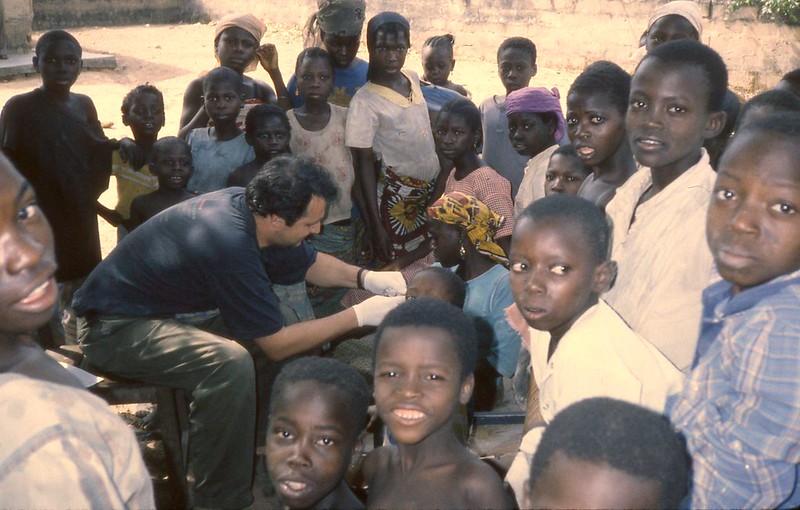 Lassa fever, a viral hemorrhagic illness, was first identified in the town of Lassa in northeastern Nigeria. The primary reservoir of this virus is the multimammate rat, a common sight across West Africa. Human infection typically occurs through exposure to food or household items contaminated with the urine or feces of infected rats. The symptoms of Lassa fever can range from mild to severe, including fever, headache, sore throat and muscle aches. In severe cases, the disease can progress to hemorrhaging, organ failure and even death. Each year, Lassa fever affects between 100,000 to 300,000 people in West Africa, with an estimated 5,000 deaths.
Socioeconomic Impact
The disease’s prevalence is particularly pronounced in Nigeria and has become a significant public health concern. The country’s endemic status is exacerbated by socioeconomic conditions, including widespread poverty. In regions where Lassa fever is rampant, many households lack the means to maintain proper sanitation and secure food storage, creating ideal conditions for rodent infestations. In addition, limited access to health care services and inadequate infrastructure hinder timely diagnosis and treatment, compounding the disease’s impact.
Lassa Fever and Global Poverty
The disease’s transmission is closely tied to environmental and socioeconomic factors. In addition, the changing climate is exacerbating the situation. Hotter and drier conditions drive rodents into human habitats for food and water, increasing the risk of transmission. As these environmental changes unfold, the interplay between Lassa fever and global poverty becomes starkly evident. Poverty-stricken communities, often lacking adequate housing and sanitation, are more susceptible to rodent infestations, thereby heightening their risk of contracting the virus.
The health infrastructure in impoverished regions is typically under-resourced, making early diagnosis and effective treatment more challenging. Health care costs and limited access to medical facilities mean that many affected individuals cannot afford or access timely medical care, leading to higher mortality rates. The burden of Lassa fever in Nigeria thus reflects the broader issue of global poverty, where infectious diseases disproportionately impact vulnerable populations.
Public Health Response
Health authorities and strategic planners in Nigeria have implemented a multifaceted public health response to Lassa fever, involving immediate medical interventions and long-term strategies to reduce transmission. In fact, the country hosted the first Lassa fever treatment trials in 40 years. These trials mark a critical step forward in finding effective treatments for this devastating disease. The initiative is a collaborative effort involving local health authorities, international organizations and pharmaceutical companies, highlighting the global recognition of the need to combat Lassa fever.
Strengthening Health Infrastructure
The World Health Organization (WHO) has played a pivotal role in supporting Nigeria’s response to Lassa fever outbreaks. The WHO is strengthening disease surveillance, enhancing diagnostic capacities and training health care workers as part of its comprehensive strategy. These efforts ensure that health care workers detect and manage cases of Lassa fever in Nigeria promptly, thereby reducing the potential for widespread outbreaks. Furthermore, the WHO emphasizes the importance of community engagement and education to raise awareness about preventive measures, such as proper food storage and hygiene practices to limit rodent exposure.
Economic Considerations
The economic burden of Lassa fever in Nigeria extends beyond the immediate health impacts. Outbreaks can disrupt local economies, as affected individuals cannot work and health care costs soar. This further entrenches poverty, making it harder for communities to recover and prevent future outbreaks. International support, such as funding for research and health care infrastructure improvements, is vital in breaking this cycle. The global community’s investment in combating Lassa fever in Nigeria underscores the interconnectedness of health and poverty and the need for a coordinated, sustained response to address both issues simultaneously.
Looking Ahead
Efforts to combat Lassa fever in Nigeria involve significant collaboration among local health authorities, international organizations and pharmaceutical companies. These initiatives focus on strengthening disease surveillance, improving diagnostic capabilities and educating communities about preventive measures, with hopes of alleviating Lassa fever.
– Maya DaSilva
Maya is based in Seattle, WA, USA and focuses on Global Health for The Borgen Project.
Photo: Flickr
