The Impact of Inadequate WASH Conditions on Poverty
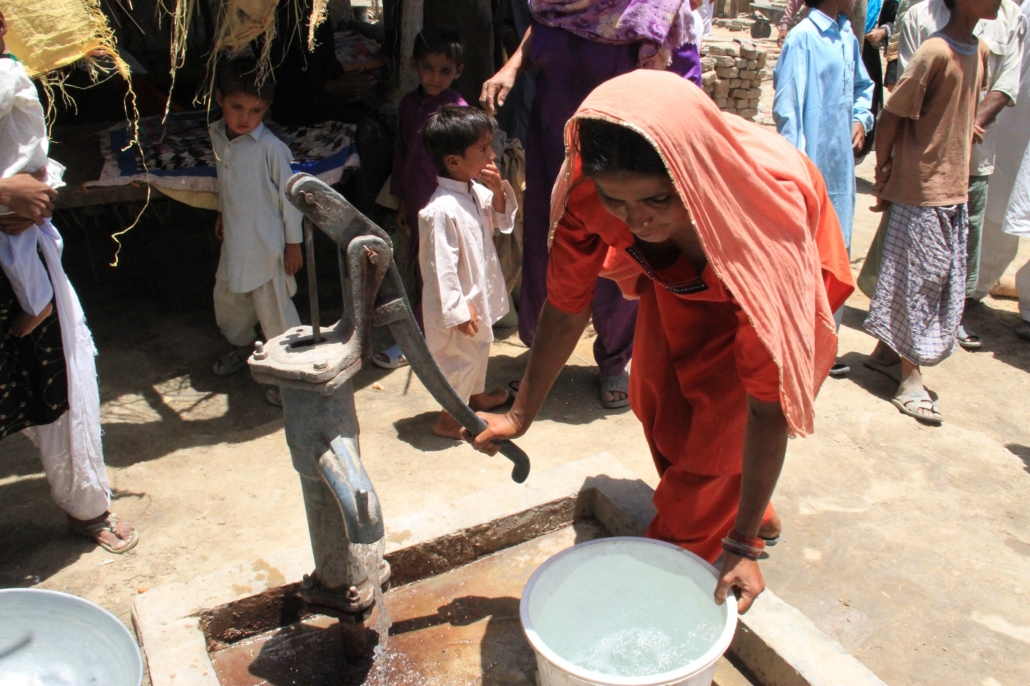 In the complex network known as global health, one silent crisis stands out as a major threat to vulnerable populations: poor water, sanitation and hygiene (WASH). This issue continues to have a lasting negative impact on the general well-being of populations in low and middle-income communities, highlighting a strong correlation between inadequate WASH conditions and the prevalence of poverty. Within the field of public health, access to clean water is not only a crucial aspect regarding well-being, but also a fundamental human right.
The Public Health Crisis
A number of factors known as the social determinants of health influence the well-being of a community; these factors include socioeconomic status, environment conditions, access to health care, education and cultural factors. Each of these components play a significant role in the health of a community, and it is important to take them into consideration when dealing with critical issues like inadequate WASH conditions.
Socioeconomic status, such as race and income, play a huge role in the access to clean water. Unfortunately, although clean water is a basic human right, it continues to be a major issue particularly in low income communities. In these areas, lack of access to clean water is responsible for a significant percentage of deaths, particularly among children under the age of five.
The Link Between Clean Water and Health
About 2 million people around the world lack access to clean drinking water, while 3.6 billion people lack access to proper sanitation, and 2.3 lacking basic hygiene services. Germs, parasites or harmful chemicals, which may come from a variety of sources, including human or animal waste, chemicals and other substances, may contaminate unsafe water. Poor access to clean water has a close correlation to the spread of illnesses such as cholera, typhoid and polio. Contaminated water is responsible for more than 500,000 deaths annually in low income communities, with 300,000 of fatalities being children under 5. In regions with insufficient WASH conditions, it is important to understand that this crisis has a huge impact on their well-being and overall quality of life.
A nation that faces severe challenges related to WASH conditions is Pakistan, making it among the most affected nations in the world. Although Pakistan has 79% water supply coverage, water quality remains a major problem, causing extreme health dangers such as fecal contamination. Drinking water quality has typically gotten less attention in Pakistan, with inadequate organizational structures, as well as a lack of legislation and regulations addressing water quality issues. According to a community health study, low-quality drinking water causes 40% of deaths and 50% of diseases in Pakistan.
Solutions
Although there is no overnight solution to this crisis, there are policies and interventions that can be implemented to aid in mitigating it. Implementing measures that involve providing stable sanitation and clean drinking water, as well as adopting basic hygiene practices can potentially save the lives of 1.4 million people worldwide. For example, in Pakistan, some policies are in place to mitigate these issues. For instance, schools in Pakistan have implemented school-specific WASH policies aimed at achieving a variety of goals, including raising awareness, providing suitable sanitation centers and ensuring adequate drinking water access. Furthermore, UNICEF and its partners are actively involved in the implementation of policies designed to mitigate the negative consequences of inadequate WASH conditions.
This crisis demands attention and resources that will aid in breaking the cycle of poverty and poor health. The silent crisis of inadequate water access requires global attention, resources and consistent efforts in order to break the cycle. Join the movement for global change by advocating for the advancement of WASH conditions in lower income communities, by raising awareness, supporting organizations working towards this cause and urging policymakers to take this issue into consideration. Together, everyone can make a difference in improving lives and ensuring a better future for all.
– Retaj Kamal Elghanai
Photo: Flickr
