• Link to X
  • Link to Facebook
  • Link to Instagram
  • Link to TikTok
  • Link to Youtube
  • About
    • About Us
      • President
      • Board of Directors
      • Board of Advisors
      • Financials
      • Our Methodology
      • Success Tracker
      • Contact
  • Act Now
    • 30 Ways to Help
      • Email Congress
      • Call Congress
      • Volunteer
      • Courses & Certificates
      • Be a Donor
    • Internships
      • In-Office Internships
      • Remote Internships
    • Legislation
      • Politics 101
  • The Blog
  • The Podcast
  • Magazine
  • Donate
  • Click to open the search input field Click to open the search input field Search
  • Menu Menu
Blog - Latest News
Global Poverty

World Bank Plan for Energy Sector Investments
World Bank Plan for Energy Sector Investments
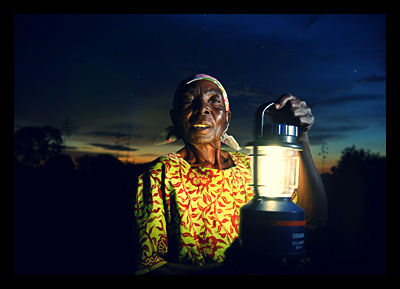
The World Bank Group’s report “Toward a Sustainable Energy Future for All: Directions for the World Bank Group’s Energy Sector” was released on July 16, and lays out principles-based plans for the World Bank’s work in the energy sector. The report puts a special focus on expanding energy access and sustainable energy.

The report, also known as the Energy Sector Directions Paper, focuses on the poor in terms of their energy access, stating that “supporting universal access to reliable modern energy is a priority.” The report points out the connection between poverty and lack of energy access asserting that “economic growth, which is essential for poverty reduction, is not possible without adequate energy.”

The Energy Sector Directions Paper also emphasizes supporting renewable energy. Declining costs of renewable energies like wind and solar power are increasing their usefulness, and hydropower in particular is one of the largest untapped sources of renewable energy in the developing world. The energy sector directions paper underscored the importance of these renewable energies for sustainability and also in order to increase energy access while trying to reduce climate change. The World Bank Group asserted that they would support and invest in coal power development “only in rare circumstances.”

1.3 billion people are without access to electricity and 2.6 billion people rely on the traditional use of biomass for cooking, which causes harmful indoor air pollution. These people are mainly in either developing Asia or sub-Saharan Africa, and in rural areas. In order to foster sustainable development in these countries, plans like the World Bank Group’s Energy Sector Directions Paper need to be enacted to give the poor access to renewable energy sources.

– Martin Drake

Sources: World Bank, International Energy Agency
Photo: Value Walk

July 23, 2013
Share this entry
  • Share on Facebook
  • Share on X
  • Share on WhatsApp
  • Share on Pinterest
  • Share on LinkedIn
  • Share on Tumblr
  • Share on Vk
  • Share on Reddit
  • Share by Mail
https://borgenproject.org/wp-content/uploads/borgen-project-logo.svg 0 0 Borgen Project https://borgenproject.org/wp-content/uploads/borgen-project-logo.svg Borgen Project2013-07-23 12:02:302024-12-13 17:49:31World Bank Plan for Energy Sector Investments

Get Smarter

  • Global Poverty 101
  • Global Poverty… The Good News
  • Global Poverty & U.S. Jobs
  • Global Poverty and National Security
  • Innovative Solutions to Poverty
  • Global Poverty & Aid FAQ’s
Search Search

Take Action

  • Call Congress
  • Email Congress
  • Donate
  • 30 Ways to Help
  • Volunteer Ops
  • Internships
  • Courses & Certificates
  • The Podcast
Borgen Project

“The Borgen Project is an incredible nonprofit organization that is addressing poverty and hunger and working towards ending them.”

-The Huffington Post

Inside The Borgen Project

  • Contact
  • About
  • Financials
  • President
  • Board of Directors
  • Board of Advisors

International Links

  • UK Email Parliament
  • UK Donate
  • Canada Email Parliament

Get Smarter

  • Global Poverty 101
  • Global Poverty… The Good News
  • Global Poverty & U.S. Jobs
  • Global Poverty and National Security
  • Innovative Solutions to Poverty
  • Global Poverty & Aid FAQ’s

Ways to Help

  • Call Congress
  • Email Congress
  • Donate
  • 30 Ways to Help
  • Volunteer Ops
  • Internships
  • Courses & Certificates
  • The Podcast
Link to: What the Supreme Court Did for HIV Prevention Link to: What the Supreme Court Did for HIV Prevention What the Supreme Court Did for HIV Prevention Link to: Why “Women’s Issues” Are Actually Human Issues Link to: Why “Women’s Issues” Are Actually Human Issues Why “Women’s Issues” Are Actually Human Issues
Scroll to top Scroll to top Scroll to top