The Rosie May Foundation: Empowering Communities
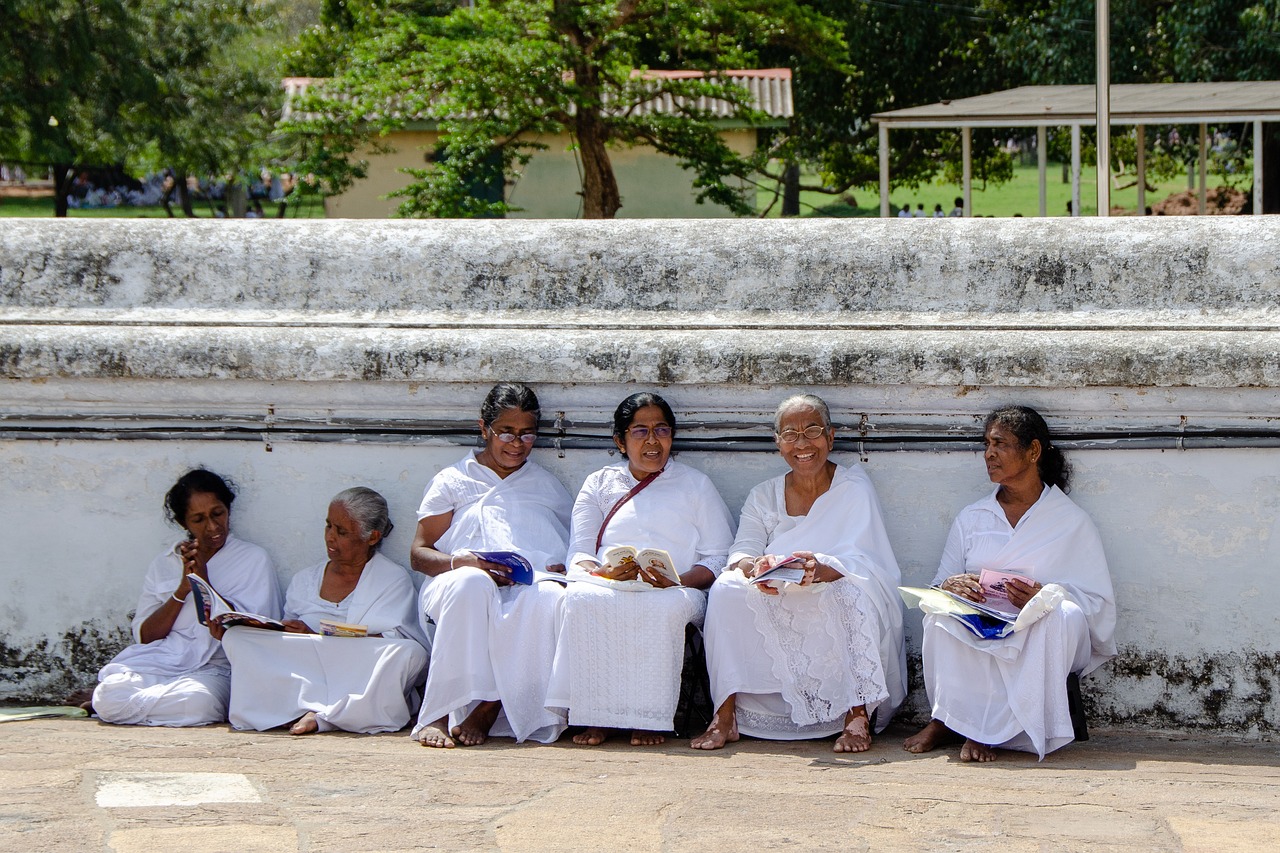 Since 2017, bright pink tuk-tuks have proudly taken to the streets of Sri Lanka. Women operate these taxis exclusively, despite men’s objections in the town. They provide mothers with a stable income and children with a space safe from harassment, a problem faced by 90% of Sri Lankan women. These tuk-tuks are now only available in Galle, Sri Lanka, but the desire is to expand the fleet nationwide. However, the roots of this initiative lie with a small family in Nottingham, U.K.
Backstory of the Foundation
Rosie May Storrie was a bright 10-year-old girl who “drew everyone towards her like a magnet.” But just after Christmas of 2003, she was viciously murdered by a 17-year-old boy at a Christmas party. A year later, the family decided to take a trip to Sri Lanka, where they planted a palm tree in her memory. Unfortunately, the Storrie family faced a second tragedy while staying in Sri Lanka. They coincided with the devastating Indian Ocean earthquake of 2004. This earthquake triggered a tsunami that hit the coast of Sri Lanka and many other countries.
Although the 9.1 magnitude earthquake was the third largest since 1900, it did not contribute largely to the death toll. The deadly tsunami that followed 20 minutes later raised the number of fatalities from 1000 to more than 60,000 across 14 countries. In Sri Lanka alone, the death toll was 35,322.
Rosie’s palm tree stood tall among the carnage and damage, surprising the Storrie family. They were inspired to “turn tragedy into hope” by this. They wanted to protect children and families who had suffered in Sri Lanka, so the Rosie May Foundation was born.
Their Work
They started by providing shelter for kids suffering from the tsunami’s loss in Sri Lanka. The Rosie May Foundation has many projects addressing different issues raised by the disaster and has expanded its work to Nepal. They focus on keeping families together, educating the vulnerable and giving them the tools to escape poverty.
The Future Is Pink
The pink tuk-tuks are part of a “the Future is Pink” project. The program provides women with a regular income and allows other mothers to earn money elsewhere as they do not need to escort their children to school. The foundation has given 215 single mothers the education and opportunity to generate income independently.
Girls Can Surf
“Girls Can Surf” is another program of the Rosie May Foundation that pushes the cultural boundaries in Sri Lanka. Oxfam reports that 80% of those who drowned during the tsunami were female and yet there is still a stigma associated with women swimming. “Culturally, women and girls in rural Sri Lanka do not swim, even though the country is an island.” The 2020 Drowning Prevention Report identifies that, in Sri Lanka, drowning is the leading cause of accidental death among 1- to 14-year-olds. The Rosie May Foundation tears down this stigma and teaches young girls how to swim and surf.
One Light, One Child
The project “One Light, One Child” tackles the issue of the energy sector and poverty concerns in Nepal. According to the United Nations Development Program (UNDP), 60% of the population has no access to electricity. The Rosie May Foundation has distributed more than 500 solar lights across rural areas to ensure children can do their homework and that their education is uninterrupted.
Conclusion
The Rosie May Foundation boldly defies gender expectations with its projects and tackles various poverty aspects impacting Southeast Asia. The Storrie family intends to keep Rosie May’s legacy alive through their hard work.
– Liz Johnson
Photo: Pixabay
