USAID Programs in Cuba
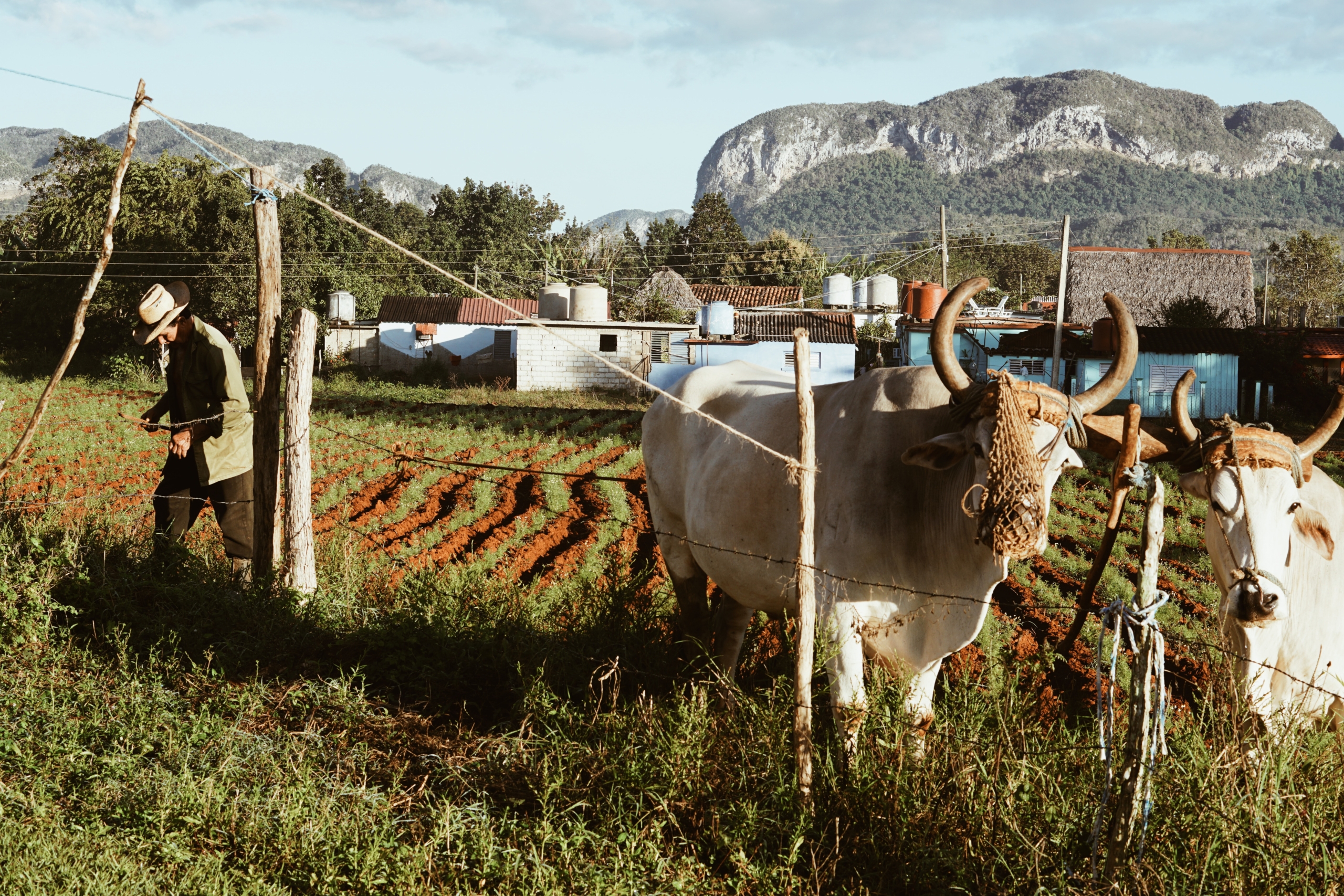 Cuba is home to a tropical paradise, mountains to the southeast, but mostly flat landscapes. The United States (U.S.) and Cuba, which reside on the same side of the globe, continue to experience difficulties due to U.S. sanctions set by President John F. Kennedy in February 1962. Currently, three USAID programs in Cuba work to reduce poverty amid continued sanctions, the recent pandemic and stifled support from Cuba’s government.
Grassroots Groups Stepping In
Cubans, unsatisfied with the response from their government, led grassroots movements after a tornado ripped through Havana in 2019. These grassroots movements leveraged social media to reach out to Cuban donors and donors abroad. After one day, these movements received “over 20,000 Cuban pesos ($833), two packs of medicines, and more than 100 masks.” Cuba’s government could not step in to assist its citizens. As a result, its citizens created their USAID program in Cuba.
Through solidarity, Cuban citizens receive much-needed aid through social media channels and money used to purchase food and medicine. Addressing the more severe issues requires external funds from foreign countries since small donations are a short-term solution. The U.S. is one of many other nations that work to solve root issues of hunger, poverty and malnutrition. The nation hopes their actions will result in prosperity and develop each other’s economy.
USAID’s Ongoing Efforts
The United States Agency for International Development (USAID) meshed existing foreign assistance organizations and programs on November 3, 1961, to consolidate resources and agencies. While the U.S. has set sanctions toward Cuba, USAID provides continuous humanitarian assistance through “nutritional food items, vitamins, over-the-counter medicines, and toiletries.” The Biden administration announced $2 million in funding for emergency relief in addition to USAID’s continued assistance.
This funding will assist Cuba in addressing the lack of necessities, especially tobacco production. Estimates show that nearly “9,000 hectares of crops [bananas, cassava, rice and corn] were affected, leading to malnourishment and a lack of diverse food. The country’s government has received criticism after suppressing political activism instead of listening to the demands of its citizens. The Washington Office on Latin America (WOLA) recognizes the need for U.S. humanitarian aid and international aid from other nations.
While the U.S. continues its sanctions toward Cuba, USAID programs in Cuba are working to create stability and cooperation with other nations as well. Another organization is Sweden’s government agency, Sida, which “strives to reduce poverty and oppression around the world.”
Sweden’s Ongoing Efforts
Based on the 2022 analytics provided by Openaid, Sweden has contributed around $3.23 million, with most funds going to various projects and programs in the country. The funding goes to three different sectors in Cuba, in order of importance: human rights, gender equality and democratic development; environment, climate and sustainable use of natural resources; and better living conditions and livelihoods. Spending is focused on three areas, the two most important to reducing global poverty being the second and third items.
With Centro Agronómico Tropical de Investigación y Enseñanza (CATIE) cooperation, Sida educates municipalities and smallholders in biodiversity conservation and sustainable agriculture. Currently, Cuba dominates large-scale monocultures, where only one crop is grown. “Half of the farmland is used to grow sugar cane,” which impairs biodiversity and, in the event of natural disasters, destroys food security and a more varied diet.
Most of the food Cubans consume is imported, with estimates showing up to 80%. In 2022, Cuba made great efforts to recover from its high dependence on food imports, receiving aid through the World Food Programme (WPF) and seeing a slight economic recovery. The WFP and Sida work to reduce the losses from natural disasters. The organization educates, assists and provides tools to farmers to minimize Cuban food insecurities, increase the yields from diverse crops and improve the quality to ensure a varied diet. Farmers, women and the youth are working with USAID programs in Cuba to provide education and methodology persists through natural disasters, poverty and a repressive government.
Ongoing Solutions
Despite Cuba’s ongoing obstacles, various groups and organizations are stepping in to provide the humanitarian aid it desperately needs. From Openaid, the three sectors that receive the majority of funding are government and civil society, general environmental protection, and banking and financial services. The other sectors, like water supply and sanitation, receive about $12,000 or around .38% of the $3.23 million.
There is a need for systems and infrastructure to continue developing to ensure women and youth receive proper nourishment. Grassroots movements continue to receive primary and minor donations for medicine. USAID provides further funding to educate farmers on appropriate maintenance, with other nations providing additional assistance. The inclusion of social media further encourages people from all over to draw awareness to global issues and help enact change to reduce extreme poverty.
– Luis Lujano-Garcia
Photo: Unsplash
