3 Innovations Utilizing Locally Available Resources to Fight Poverty
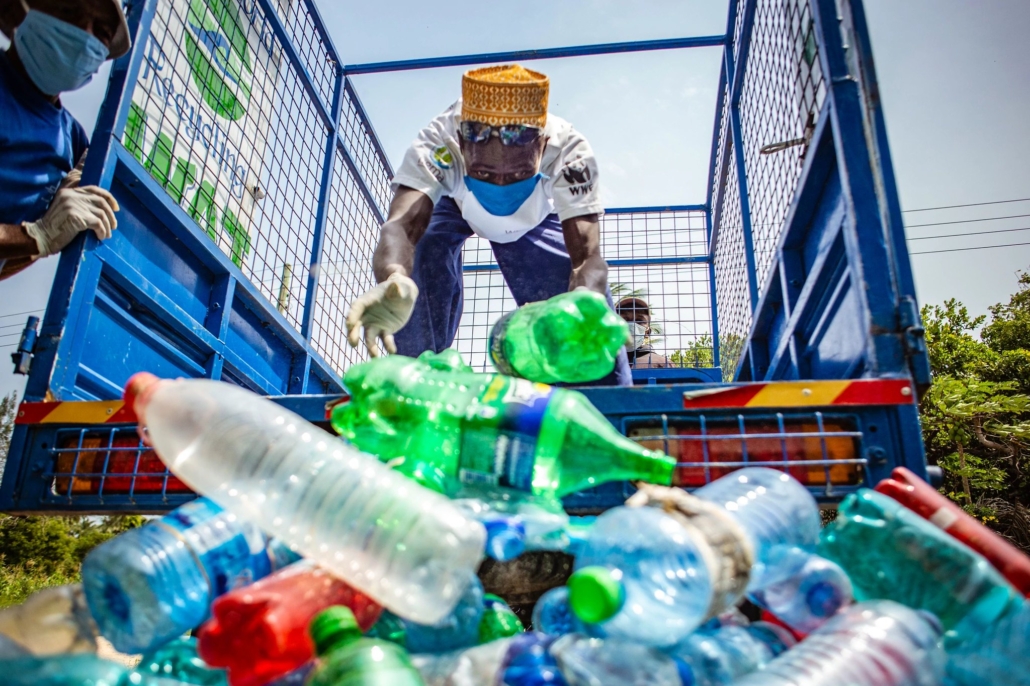
Across the globe, people live without access to electricity, sanitation and manufacturing resources. In turn, their households lack strong infrastructure and protection against extreme heat and environmental health concerns. Resourceful innovations are working to tackle these elements of poverty by utilizing readily available products and local capabilities. Here are three innovations using locally available resources to fight poverty.
1. Eco-Cooler
Bangladesh has one of the wettest climates in the world due to its summer monsoon season. To accommodate for the rain, more than 60% of Bangladesh’s population lives in tin huts rather than more vulnerable mud huts. Although tin provides protection from the rain, it exacerbates the extreme summer heat. Without access to electricity and, therefore, air conditioning, this heat is unbearable for those living in rural, low-income areas.
Through resourceful innovation, Ashis Paul created a cooling system that does not need electricity and utilizes commonly found items. The Eco-cooler comprises locally available resources like plastic bottles that are cut in half and mounted on a sheet of cardboard. The cardboard is then fitted to a window with the wider part of the bottles facing outward. The bottles catch passing wind, cool the air as it experiences a change in pressure, and then funnel the air into the building’s interior. It is estimated that this affordable and easy-to-build solution is able to reduce temperatures up to 5 degrees Celsius depending on the conditions.
2. Gjenge Makers
Nairobi, Kenya generates around 500 tons of plastic waste every day. Without proper decomposition methods, a majority of this waste ends up in garbage dumps located around low-income communities, further impacting the health and living conditions of impoverished people in Nairobi.
Nzambi Matee, founder of Gjenge Makers, discovered how to transform this plastic waste into a valuable resource: bricks that are seven times stronger than concrete. The bricks are formed with a mix of sand and polyethylene or polypropylene, which could otherwise not be recycled. Gjenge Maker bricks are half the weight of concrete, making transportation and building more efficient and affordable. Gjenge Makers’ aims to use its resourceful innovation to solve Kenya’s pollution problem, provide new job opportunities, produce healthier livelihoods and introduce young women to entrepreneurship and engineering.
3. White Roofs
The Mahila Housing Trust (MHT) originated to educate and strengthen impoverished women to improve their living conditions. One aim is to build resilience against unbearable temperatures. Temperatures in western India can reach up to 47.8C (118F) in the summer. This heat diminishes women’s ability to be productive and healthy in their homes. MHT is increasing women’s ability to tackle extreme temperatures without the need for hard-to-access resources such as electricity.
Mahila Housing Trust has distributed white solar-reflective paint to low-income communities in western India. Women living in these areas are able to apply the paint at no cost, reflecting sunlight away from their houses and reducing the internal temperature. This simple and resourceful innovation is estimated to reduce temperatures by 1 to 2 degrees Celsius. Even the slightest drop in temperature reduces women’s vulnerability to heat stroke, exhaustion and pregnancy complications, and allows women to remain productive in the summer.
Nzambi Matee, Ashis Paul and the Mahila Housing Trust are demonstrating how resourceful innovations using locally available resources can help battle the barrier of access to commodities, such as electricity and manufacturing tools. Determining the materials a community lacks and utilizing the resources they do have is creating unique inventions and fighting poverty.
– Aliya French
Photo: Flickr
