Education for Punjabi Girls: Non-Formal Education Centers
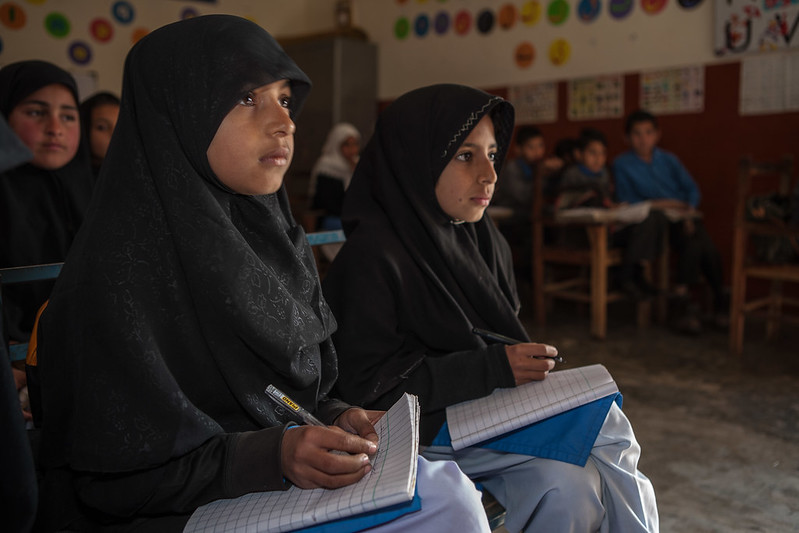 In Pakistan’s Punjab region, access to education has long been a challenge, particularly for girls. About 2 million more girls than boys are out of school in Pakistan, accounting for most of the out-of-school population, and many of these girls belong to poor families. The situation requires new approaches to fix the gender gap in education. Non-formal education centers (NFECs) are emerging in this context, offering educational opportunities for girls.
The establishment of programs like the Alternative Education Program Centers in Punjab is a result of collaborative efforts involving the Literacy and Non-Formal Basic Education Department of Punjab, UNICEF Pakistan and the Norwegian National Committee for UNICEF. These centers have been made possible through this support, addressing the educational needs of girls with limited access to formal education.
Understanding Non-Formal Education
Non-formal education is a structure of learning experiences that occurs outside the formal education system. Non-formal education plays a crucial role in addressing the educational needs of marginalized communities, especially for girls and women, non-formal education has gained prominence to expand education when the formal education system struggles to meet demand. This is particularly pertinent for girls who frequently encounter difficulties in accessing basic educational services. Non-formal education programs are designed to cater to an individual’s fundamental educational needs, including literacy, numeracy, health education, community development and technical skills. They equip individuals with essential skills and knowledge, contributing to broader socioeconomic development in their communities.
Expanding Educational Opportunities
A significant initiative to address educational challenges in Punjab involves the expansion of non-formal education centers. This initiative has a profound impact by granting access to education to those previously excluded from the formal education system. There are currently 240 Alternative Education Program Centers operating in six districts of Punjab, enrolling approximately 10,000 children, nearly 60% of whom are girls. Education is widely known to be a powerful means for improving economic and social well-being. Especially for girls, access to education through these NFECs is a life-changing opportunity that equips them with the knowledge and skills needed for better job prospects.
Transition to Secondary Education
A crucial component of the program is guiding students toward a seamless transition to secondary education. UNICEF has played a significant role in this transition by introducing a specialized curriculum known as Package D, spanning grades 6 to 8, with invaluable technical support from the Japan International Cooperation Agency. This program places a strong emphasis on post-primary education, particularly for girls, ensuring they can extend their educational journey beyond the primary level. These transitions are pivotal, as individuals with access to secondary education are better equipped to secure improved job opportunities and enhance their economic prospects. Consequently, they contribute to the overall development of their communities and regions.
Conclusion
Non-formal education centers play an instrumental role in granting access to education for girls in Pakistan’s Punjab region. Collaborations with organizations such as UNICEF have enabled the Government of Punjab to take substantial steps in expanding non-formal education centers, thereby offering a brighter future for girls in the region. The success of these centers provides hope for addressing educational gender disparity and improving educational access, ultimately leading to a more prosperous future for the girls within the region and the overall development of their communities.
– Marnie Woodford-Venables
Photo: Flickr
