How Transitional Justice Can Eliminate Poverty
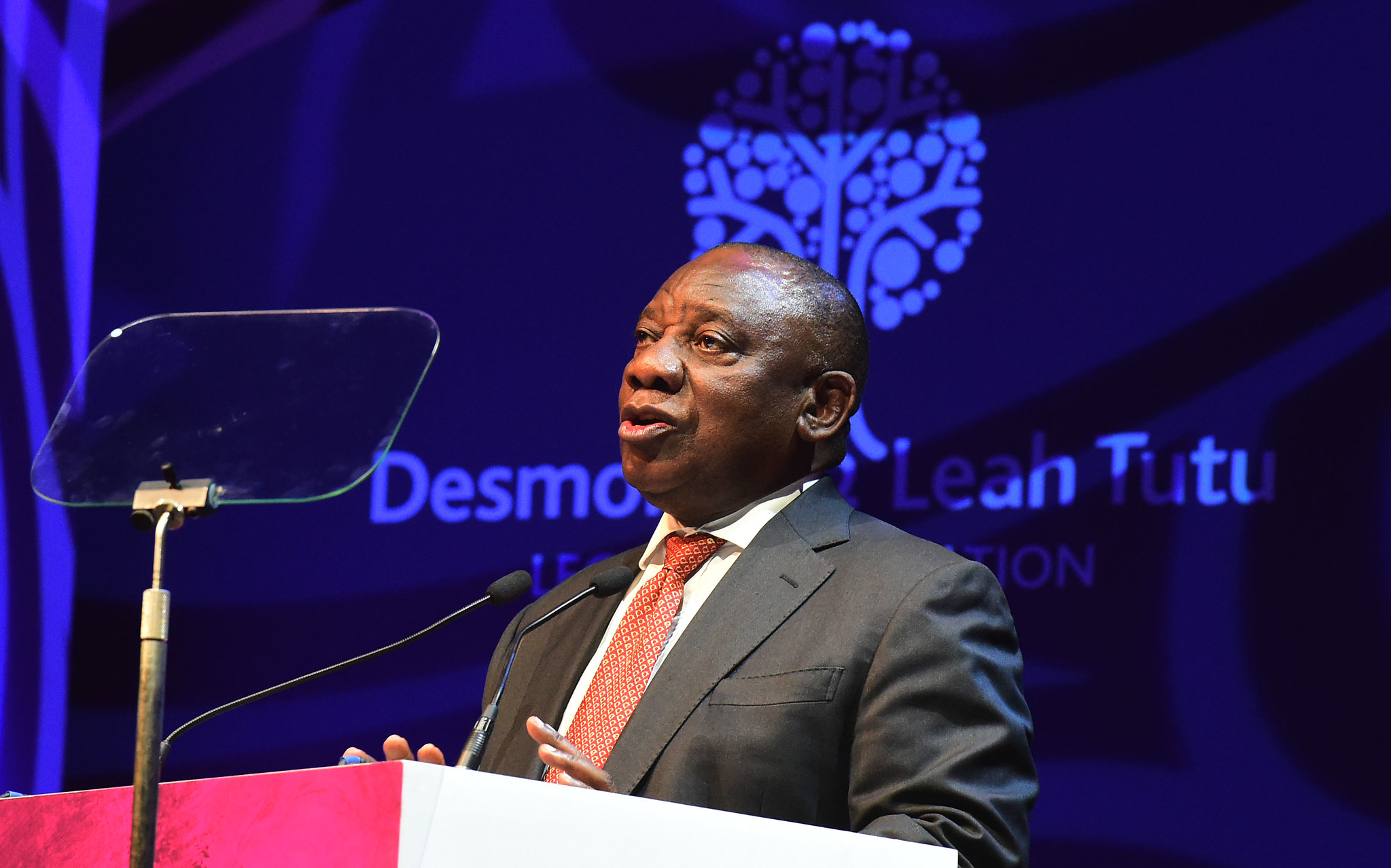
Transitional justice is a multilevel approach to addressing human rights violations in periods of political transition or post-conflict recovery. The approach’s relevance in poverty reduction efforts stems from an understanding that socioeconomic inequalities are frequently both a cause and a result of conflict. Poverty and inequality may exacerbate grievances that lead to social unrest and violence, while war itself can result in infrastructure loss, displacement and economic disruption for targeted groups. Transitional justice programs can foster stable government and inclusive development by addressing the issues and injustices that underpin conflict and authoritarian leadership.
Accountability
Transitional justice mechanisms, such as prosecutions for human rights violations and truth commissions, not only hold criminals responsible but also act as a deterrence to future breaches. This promotes a culture of openness and good governance, which may prevent corruption, a significant cause of poverty, and create an environment in which public resources are distributed equitably to benefit all citizens.
Additionally, Truth and Reconciliation Commissions (TRC) offer a broader conception of justice enabling truth-telling and reconciliation. For instance, the South African TRC’s work exposed the systemic corruption and human rights abuses of the previous regime. This helped establish a foundation of accountability and transparency, which contributed to addressing the socio-economic disparities inherited from apartheid.
Reparations and Redistributions
Reparations programs, which include financial compensation, education, health care and land restitution, address the socioeconomic consequences of violence and repression directly. Transitional justice projects can contribute to breaking the cycle of poverty and exclusion by giving survivors and marginalized groups the resources to rebuild their lives, encouraging economic empowerment and social reintegration. Reparation programs are among transitional justice’s most effective tools as they have the potential to offer survivors individualized assistance while simultaneously transforming society’s socioeconomic conditions.
Institutional Reform and Inclusive Development
Transitional justice is frequently associated with wider institutional reforms such as legal and judicial system overhauls, power decentralization and social reforms. These societal improvements have the potential to strengthen the rule of law, promote good governance and provide a favorable atmosphere for long-term growth. The inclusive and participatory decision-making procedures that frequently follow these changes ensure that marginalized people’s needs and views are taken into consideration, contributing to more equitable development. Indeed, transitional justice can involve the change of institutions and laws that have used violence and prejudice to keep people out of society.
Reconciliation and Social Cohesion
Transitional justice methods promote open communication, truth-telling and the recognition of past wrongs by investigating patterns of human rights abuse and providing a narrative.
This can assist in the healing of wounds caused by violence and division, generating a feeling of solidarity among previously polarized populations. Social cohesiveness is critical for stability and development in that it facilitates collaboration, minimizes the likelihood of recurrent violence and provides a platform for collaborative efforts to overcome poverty and inequality.
By fostering accountability, reparations, institutional reform and reconciliation, Transitional justice forges pathways toward equitable development through political and peace transitions. Although the implementation of said mechanisms is still limited, transitional justice has the potential to have a transformative impact on reducing poverty during political and peace transitions.
– Hannah Klifa
Photo: Flickr
