How Flash Floods Are Affecting Livestock in Somalia
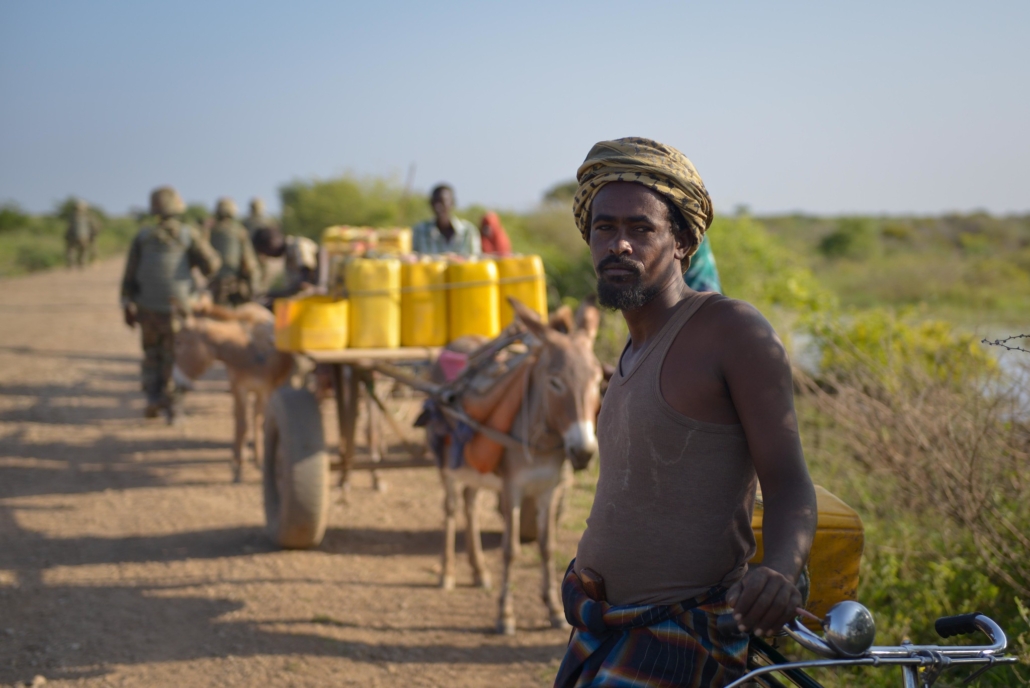
In May 2023, the city of Beledweyne in central Somalia was flooded. The inhabitants of the city have had to flee due to the city’s inhabitable environment. The riverine flooding originating from the heavy rainfall in the Ethiopian highlands made its way through to the Shabelle River in Beledweyne bursting the banks and instantaneously engulfing the city in water.
The flash flooding hit the homes and livestock in Somalia the hardest. After almost a decade of drought, the extreme inverse has left the city submerged, livestock washed away and more than a quarter million people displaced.
After a decade-long struggle with famines and droughts, the floods in Somalia have been a catalyst fuelling the other simultaneous issues that lay beneath the surface. Following what some have described as the worst flooding of the Shabelle River in the last 30 years the damage that has occurred could take multiple rainy seasons to repair. Not only have the flash floods been a tragic inconvenience for the locals it has also been lethal with at least 50 deaths being recorded from the start of the floods to three weeks post.
Based on calculations that the U.N. humanitarian office made, the floods have affected a little more than 460,000 people and killed 22. With the floods increasing in frequency and magnitude by 2019, 68% of the country had experienced flooding.
How Have the Floods Affected the Livestock in Somalia?
The livestock and farmland have been the most fatal hit for the rural communities of Beledweyne since it is their main source of livelihood driving the country’s food insecurity further. The reports of hunger have largely affected the most vulnerable. The country’s ongoing 10-year-long struggle with famine as a reaction to the drought has already been a crisis that has taken decades to reverse. With the country slowly getting back onto its feet the extreme temperamental weather and flash flooding has been a kick in the back of the knee setting it back not too far from where it was.
A spokesperson from Save the Children has spoken on the matter saying “This is tragedy upon tragedy. Children and families in these parts of Somalia have been waiting for rains for nearly three years — and when they finally come, they have washed away what little crops and livestock are remaining.”
With most of the meat and milk coming from the cattle, residents rely almost completely on their animals. The flooding has now put an abrupt stop to the use of livestock for food, as the floods have killed most people’s animals.
The floods have affected not only the crops and livestock in Somalia but also the overall health and well-being of the residents, with the previous drought stripping the soil of its ability to produce and grow healthy and nutritious crops. Without the correct nutrients the diet of young children especially those under the age of 5 is put at risk with many of them suffering from acute malnutrition which can have irreversible consequences for their general health and quality of life. The U.N. has reported that before the flooding 6.5 million inhabitants were facing the end of food insecurity and a staggering 1.8 million children were on the brink of acute malnutrition.
Looking Ahead
Aside from all of the catastrophes, there has been a lot of help deployed to aid with the disaster taking place, with charities like Save the Children who have been working in Somalia since 1951 and have also been providing health care and educational resources providing cash assistance to more than 900 families.
Muslim Hands, which has been working in Somalia since 2011, has also raised funds and assisted in bringing the city back onto steady ground by providing food and water and building emergency shelters to house the residents and bring back some stability. Both charities have made some amazing changes in the country and still do so by actively posting about relief work on their websites and having links where people can donate money and clothing.
– Sumaya Ali
Photo: Flickr
