Human trafficking in Micronesia
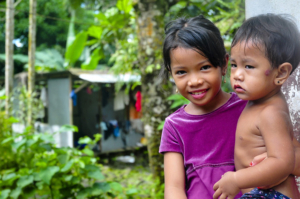 The Federated States of Micronesia is an archipelago consisting of 607 islands and islets. It is located in the western Pacific Ocean, roughly 1,000 miles from Papua New Guinea. Micronesia has a small population of 113,800 people, and 30% of households fall below the basic needs poverty line. Human trafficking is just one of the issues Micronesia faces. Other challenges the government is attempting to tackle include poor quality of education and health services, depopulation and increasing drug and alcohol abuse.
The U.N. defines human trafficking as “the recruitment, transportation, transfer, harboring or receipt of people through force, fraud or deception, with the aim of exploiting them for profit.” Trafficking is a threat not limited to women and children but includes men as well. A U.S. Department of State report identifies trafficking as a significant problem in every continent.
The Significance of Trafficking in Micronesia
The most common type of trafficking taking place is the sexual exploitation of women. The Micronesian government identified 13 victims of trafficking (including seven children) in the current reporting period, compared with four victims in the previous report. Sex traffickers exploit women and girls through commercial sex with members of the crews of fishing vessels. Many are brought into Guam and the U.S. and trafficked into prostitution.
Micronesia’s economy is largely in the primary economic sector, based on fishing and farming, so many traffickers operate by promising women work in the U.S. Other forms of trafficking include slavery, illegal organ harvesting, forced labor and child labor. It is estimated that many cases of trafficking go unreported due to stigma or fear of accountability. This is especially prominent in Micronesia’s rural areas, which have strong community-based towns and villages.
Micronesia’s Efforts to Stop Trafficking
The Department of State evaluates Micronesia as a Tier 2 country in its efforts to end trafficking. Although the nation does not currently meet the minimum standards required, it is making “significant efforts” toward the elimination of trafficking. Law enforcement officials are now given anti-trafficking training and services for victims of trafficking have received $120,000. The Micronesian government reported it had conducted awareness campaigns focused on reducing the stigma around sex workers. Its actions to close known brothels, however, have not reduced the demand for commercial sex, it reports.
This year, U.N. Women led a summit for the prevention of violence against women in the Pacific. It brought together delegates from the Federated States of Micronesia, Papua New Guinea, Kiribati, Fiji, Niue, Palau, the Cook Islands, the Republic of the Marshall Islands, Samoa, Solomon Islands, Tonga and Vanuatu to discuss strategies to combat gender-based exploitation and violence, including sexual exploitation. The conference highlighted the need for integrated, nationwide and targeted approaches to preventing violence and trafficking, especially for women and girls.
Micronesia has held a Tier 2 ranking since 2014, before which it was ranked on the Tier 2 watch list. This places Micronesia in a similar position to Indonesia, Thailand and Laos. While the country is making progress, this is not as rapid as the U.S. report hopes.
Further Steps to Eliminate Human Trafficking
While the Micronesian government has established an anti-human trafficking division, the government has still not implemented the necessary procedures for identifying victims or referral to protection services. The U.S. Department of State’s report recommends that the government prioritize the investigation, prosecution and conviction of traffickers, sentencing offenders to significant time in prison. Additionally, the report advocates a victim-led approach, with legal alternatives for foreign trafficking victims to relegation to other countries where they may face worse hardship. Anti-trafficking awareness campaigns will alert health care professionals, leaders and the general public to those at risk of trafficking.
– Lydia Greene
Photo: Flickr
