What Universal Vaccination Could Mean for the Global Poor
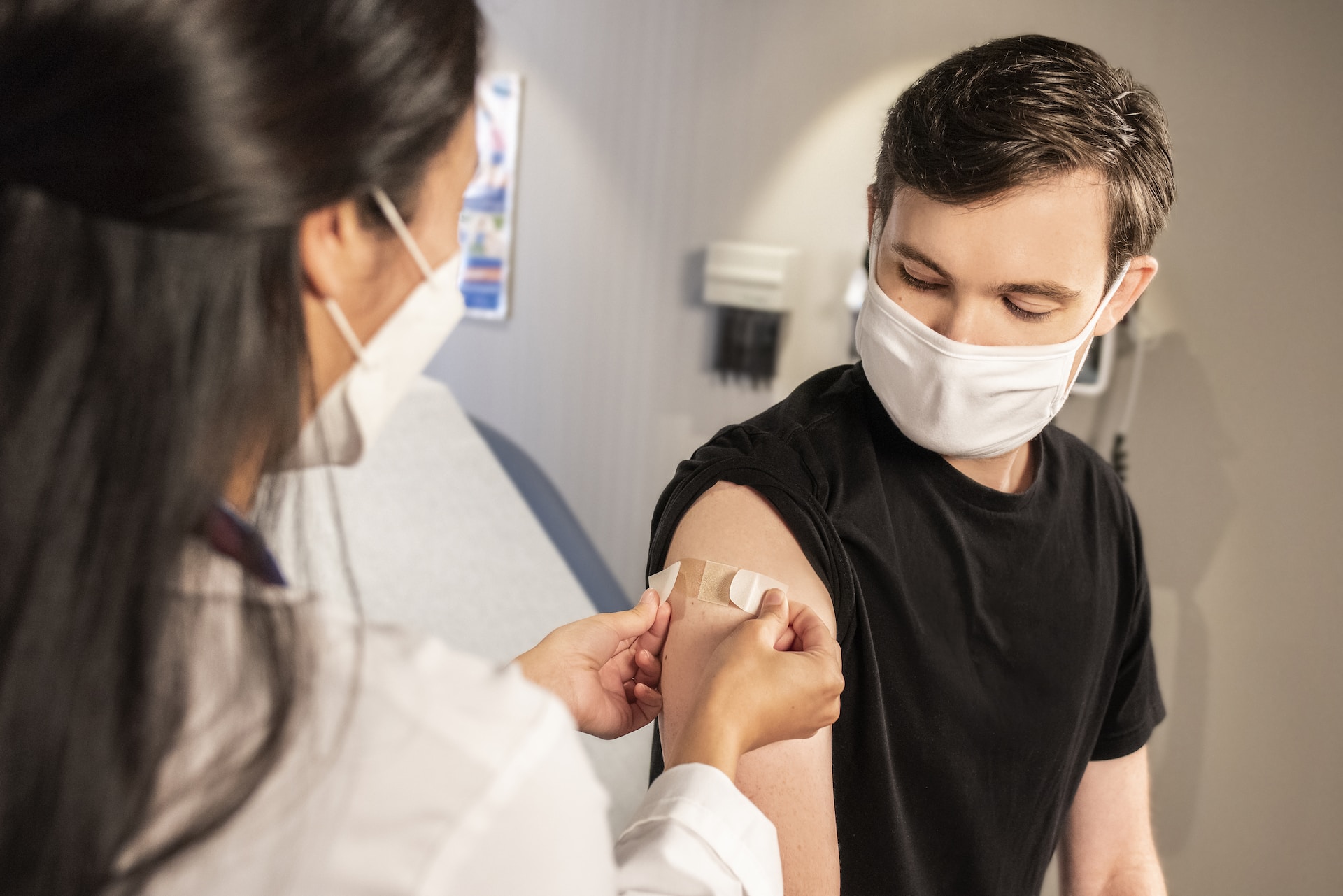 Pandemics can happen at any time — a fact that the world has become painfully aware of in the last few years. COVID-19 taught modern people the devastating effects of emerging infectious diseases or EIDs, and as a result, more discussions about vaccination have opened up. Vaccines can save lives, but for the global poor, access to this resource is less than ideal. Universal vaccination would transform the health and livelihoods of impoverished people around the world, allowing them to live healthily in the face of many devastating diseases.
Sickness and Poverty
Around the world, illness wreaks havoc on impoverished people. Poor health is rooted in political, social and economic injustices — making poverty both a cause and effect of poor health. The poorer one is, the more likely they are to fall ill. If someone is ill, the more likely they are to deal with unrealistic financial burdens, trapping them in poverty.
There are a few diseases in particular that disproportionately affect low-income populations, called poverty-related diseases, or PRDs. Two out of three deaths among children in Africa and Southeast Asia are due to just six diseases: tuberculosis, malaria, HIV/AIDS, measles, pneumonia and diarrheal disease. Combined with childbirth complications, these diseases kill 14 million people annually. The three largest PRDs, AIDS, malaria and tuberculosis, make up 18% of all diseases in poor countries. Yet, approximately 30% of the global population, and 50% of the poorest parts of Africa and Asia, do not have regular access to necessary medicine. This statistic staggers even higher for marginalized groups and vulnerable individuals, who are often deprived of information, money or access to health care that would help them treat each disease. Essentially, although the poorest parts of the world are most impacted by illness, they have the least access to necessary care.
Vaccine Access for the Global Poor
Vaccines are a treatment for many PRDs, though they too are difficult for the global poor to access. Taking the COVID-19 vaccines as an example, as of October 2022, only 25% of the population living in low-income countries have received at least one dose of a vaccine. Meanwhile, high-income countries enjoy a rate of 72%.
Similarly, cholera vaccines are internationally available but seldom used in public health settings in developing countries where they are vitally needed. The HPV vaccine shares similar statistics, as it has been introduced in only 41% of low-income countries but 83% of high-income countries. According to the World Health Organization (WHO), vaccines for diseases associated with “markets that are deemed to have little commercial value remain neglected.” According to the WHO’s director general, Tedros Adhanom Ghebreyesus, “The right to health includes the right to vaccines, and yet this new report shows that free market dynamics are depriving some of the world’s poorest and most vulnerable people of that right.”
There have been efforts to share vaccines with the global poor that show just how beneficial access can be. Since 2019, Malawi, Ghana and Kenya have participated in the Malaria Vaccine Implementation Programme (MVIP), coordinated by the WHO and funded by Gavi, the Vaccine Alliance, the Global Fund to Fight AIDS, Tuberculosis and Malaria and Unitaid to deliver the malaria vaccine in their respective countries. The vaccine has been administered to more than 1.7 million children, leading to a substantial reduction in severe malaria and a decrease in child deaths.
Universal Vaccination
Universal vaccination would change the world — access to preventative care against PRDs would allow low-income communities to transform their livelihoods, no longer nearly as consistently devastated by death and disease. Vaccinating the world helps prevent new emerging variants, support health systems and save countries from lasting economic damage. In fact, if low-income countries had the same vaccination rate against COVID-19 as high-income countries in September last year (around 54%) they would have increased their GDP by $16.27 billion. Again, COVID-19 acts as an example of what universal vaccination against all PRDs and EIDs could do. Beyond good health, fair access to vaccines allows a chance for development in many areas.
– Char Nieberding
Photo: Unsplash
