The New Generation of Street Children Turned Surfers
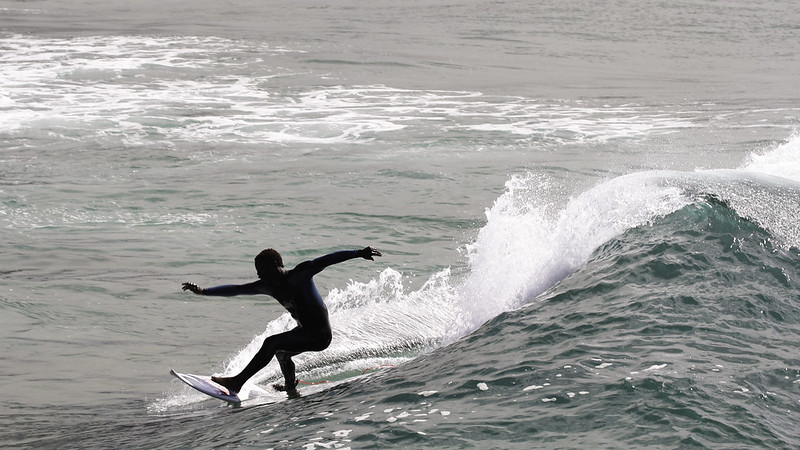 The imagery of the breezy, laid-back Californian surfer has dominated the popular view of surfing over the years. Easygoing and happy-go-lucky, the figure of the surfer has come to symbolize the very notion of what it means to be young and free in a capitalist society. Yet, far beyond the shores of California to South Africa’s “Surf City,” the sport symbolizes much more than this. It plays an important role in helping vulnerable children who are growing up in post-apartheid South Africa to leave the street once and for all.
Homelessness in Durban
Located on the eastern coast of South Africa, Durban has a high population of youths — 38% of its population is under the age of 19.
However, the youth employment rate (the measurement of job seekers who are 15 to 24 years old) in South Africa is markedly low, at about 60%. Job losses are particularly high in industries such as food, textiles and clothing, making it difficult for young people to secure a living.
But one of the most pressing problems facing South Africa is its street child phenomenon. According to the Consortium for Street Children, there are currently hundreds of thousands of street children in South Africa.
Child homelessness is on the rise in Durban because of political violence, rapid urbanization and outbreaks of AIDS and HIV, resulting in many children losing members of their family.
Difficulties at home and at school have also contributed to an increase in the number of children actively choosing to live on the streets. In many cases, children feel that street life offers an escape from the harsh conditions of everyday life, and the charity Street Children found that 29.1% of street children surveyed in 2011 did not wish to leave the streets at all.
Even so, street life exposes children to a number of dangers, including sexual abuse and trafficking. These risks are further compounded by the lack of health and social services available to children in Durban.
The local authorities, who view street children as a public nuisance, are eager to keep the street child phenomenon hidden so that tourists are not deterred from visiting Durban. However, this only stigmatizes and alienates street children further, rather than getting to the crux of the problem.
Beach Apartheid
Many of the social and economic problems present in Durban today are a consequence of the apartheid period, which lasted from 1948 to 1994.
Apartheid was an institutionalized system that subjected Black people to racial segregation in every sphere of South African society. It was a system that even sought to marginalize Black people in the water.
The Natal and South African Surf Riding Championships welcomed pro-surfers from all around the world, placing South Africa firmly on the map. Yet Black people were excluded from competing, contradicting the so-called “freedom” that the sport promised young people.
That was until world-renowned surfers Tom Carroll, Tom Curren and Martin Potter boycotted the surfing competitions in 1985, forcing the industry to acknowledge the growing anti-apartheid movement.
Surfers Not Street Children (SNSC)
Fast-forward to 1998, surfer and activist Tom Hewitt MBE set up the Durban Street Team to help homeless children. The organization was renamed Surfers Not Street Children (SNSC) in 2012 and has since helped 1,800 vulnerable children.
While helping children to leave the streets was the organization’s main goal, many street children have also gone on to advocate further for their rights as a marginalized group. The organization operates in line with the U.N. Convention on the Rights of the Child to ensure that children are provided with the space to empower themselves without the fear of discrimination and shame.
In 2000, SNSC prevented local authorities from forcibly removing children from the streets, which is recognized as one of its most important achievements to date.
According to the organization, “Many children empowered by Surfers Not Street Children have transformed their lives. Some have gone from ‘street children’ to becoming coffee baristas, lifesavers, surf shop staff, restaurateurs, surf coaches and even pro surfers.”
South Africa’s Changing Tides
The organization is now expanding its influence to the shores of Mozambique, providing children with the life skills needed to tackle the social problems they face. SNSC has also gone on to set up an independent living program that is designed to provide financial and social aid to young people transitioning into adulthood once they have left the surfing program. Through invaluable mentoring sessions, SNSC is making sure that children are able to thrive as self-sustaining adults.
In honor of his outstanding work helping children in South Africa, Tom Hewitt received the Nelson Mandela Change Changemaker Award in May this year at an exclusive event in California. Hewitt told Carve magazine, “I am so thrilled to receive this award, which recognizes 25 years of pioneering work developing surfing as a tool for bringing about positive change. Not only are we working in the toughest environments and saving lives, but our surfers are at the heart of an exciting transformation in African surfing underway across the continent.”
Surfers Not Street Children is actively carving out the space for street children to challenge the status quo, break the poverty cycle and debunk the myth that surfing is a white man’s sport. In the 21st century, it is clear that this new generation of surfing youth is changing the tides by shifting the boundaries of who can and cannot ride the wave.
– Tatum Richards
Photo: Flickr
