A Closer Look at How Child Rights Are at Risk
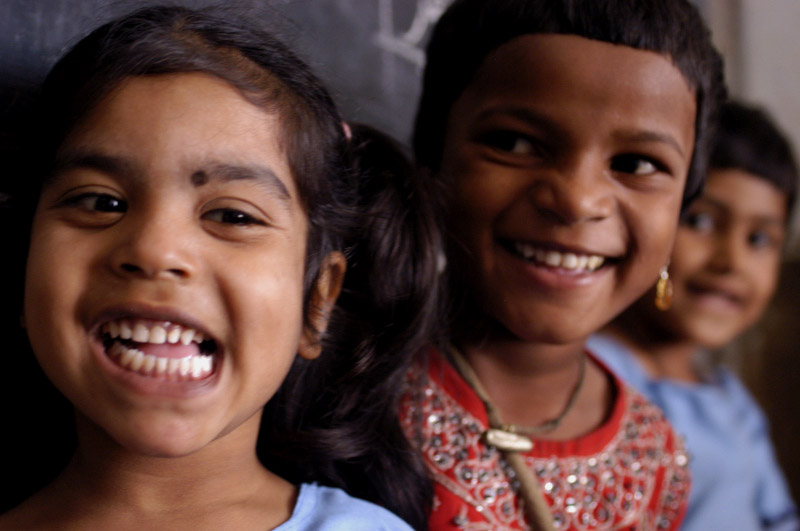
Recent studies that UNICEF conducted have found that South Asian children — in Afghanistan, Bangladesh, India, Maldives and Pakistan — are living above the normal high temperatures. These countries are experiencing enduring heatwaves and temperatures above 35 degrees Celsius (95 degrees Fahrenheit) for more than 83 days in a year, which experts consider “rare, once-a-century events.” UNICEF found that these heat exposures vulnerably impact 76% of South Asian children below the age of 18 in comparison to the rest of the world’s children (32%).
While all children in the region face vulnerability, it’s crucial to highlight that those belonging to the low socioeconomic status are at the greatest risk, which in turn jeopardizes their fundamental rights. The following are four key facts that underscore how child rights are at risk.
4 Facts About How Child Rights are at Risk
- Most Vulnerable Group: According to UNICEF, the heat can aggravate children’s lives since their young bodies cannot handle it. However, poor children are at the most risk since they lack access to cooling and water in their homes. Universally, low- and middle-income children who experience inequality and discrimination have their rights backfire on them, compounding the dire impacts they face against these environmental changes.
- Health Impacts: With these warm temperatures, children have demonstrated symptoms that may result in heat-related illnesses such as high body temperature, headaches, fainting, dehydration, rapid heartbeat, heat cramps, heat strokes and heat exhaustion. Additionally, UNICEF has found neuro and cardiovascular developmental setbacks in South Asian children. Generally, children classified as low in the socioeconomic spectrum and affected by inequality and discrimination are the most vulnerable due to lack of access to proper health care.
- Disrupts Lifestyle: Heatwaves and high temperatures have been shown to impact children’s lifestyles, via education and home. Research has revealed that “every one degree Fahrenheit increase in temperature reduces the amount learned in a school year by 1%.” The heat disrupts children’s ability to learn and concentrate, which leads to “lower levels of achievement during hot school years.” Recent studies of Pakistani children and families show that those living in poverty cannot afford the electricity it takes to cool their homes, as it consumes 30% of their monthly income.
- Confronting Hunger: As a result of parents working in the “informal sector,” poor children experience hunger during the summer months. Amnesty International reports that informal sector workers in Pakistan encounter significant difficulties during the extreme heat season. Their daily wage jobs lack predictability and extended breaks, forcing them to find ways to rest without compromising their income. Consequently, they often resort to working at a slower pace and ensuring they stay hydrated. Failing to do so could result in shorter work hours, reduced daily earnings or even the risk of not getting paid at all. With frequent heat waves hitting Bangladesh, families experience power outages in their shops, “wiping out their daily incomes” or reducing them to a minimum that “pushes food further out of reach” for them and their children.
Early Responses
Recent studies have asserted that South Asian countries — such as Pakistan — have responded inadequately toward a heat action plan(s). In light of this, some cities in India have taken action to find solutions. The city of Ahmedabad, India, was one of the first to publish a government-led heatwave action plan in 2013. The plan consisted of implementing cool roofs in the city’s slum communities. In 2017, the program installed 3,000 roofs which successfully “lowered indoor temperatures.” As a result, the city of Ahmedabad launched a cool roof program in 2020 that went on to help more than 15,000 slum homes and 1,000 government buildings.
Looking Ahead
Child rights are at risk due to rising temperatures. However, innovative technologies and proactive measures are equipping children and families to better adjust and respond to these heat waves.
– Amy Contreras
Photo: Flickr
