• Link to X
  • Link to Facebook
  • Link to Instagram
  • Link to TikTok
  • Link to Youtube
  • About
    • About Us
      • President
      • Board of Directors
      • Board of Advisors
      • Financials
      • Our Methodology
      • Success Tracker
      • Contact
  • Act Now
    • 30 Ways to Help
      • Email Congress
      • Call Congress
      • Volunteer
      • Courses & Certificates
      • Be a Donor
    • Internships
      • In-Office Internships
      • Remote Internships
    • Legislation
      • Politics 101
  • The Blog
  • The Podcast
  • Magazine
  • Donate
  • Click to open the search input field Click to open the search input field Search
  • Menu Menu
Blog - Latest News
Global Poverty

Cooperative Farming Takes Off in El Salvador
Cooperative Farming Takes Off in El Salvador

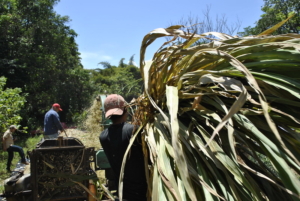
Since its civil war in the 1980s, El Salvador has imported more than 90% of its fruits and vegetables from surrounding countries. Although Salvadorans enjoy quality products, very little of it actually comes from Salvadoran farmers because there aren’t many left.

José Mejía, a farmer who grows crops in the Salvadoran countryside, is one of the few. He and his father, who has owned the land for decades, have spent their lives selling to “coyotes”—middlemen who pay almost nothing for the crops and sell them at the market for inflated prices. Mejía recently learned that his squash, which he was selling for $5 a unit, was being sold for three times as much in the market an hour and a half away.

“The coyote has the advantage of knowing the market and handling large volumes,” said Andrés Bernal, who coordinates a regional Oxfam program that trains farmers on how to access the market. According to him, farmers like Mejía can only expect to keep, on average, 21% of the final price of their produce.

But farmers are finally taking action. Now, Mejía’s small community delivers its food products to the market personally every two weeks and they earn up to 50% more of the final profit. Farming cooperatives like his are sprouting up across the country making it easier for farmers to understand the market, meet the demand for their products, and earn more for their work.

Some cooperatives have even partnered with local supermarkets and restaurants to supply them with fresh fruits and vegetables directly from surrounding farms, thus benefiting both the farmers and their clients. Others have begun replacing coyotes by acting as middlemen themselves, offering fairer prices and better service.

Cooperatives like these are empowering Salvadoran farmers and setting the country on a path to reconfiguring its agricultural sector. Sometime in the future Salvadorans may be eating their own food.

– John Mahon
Source: The Guardian, IPS News
Photo: Flickr

June 12, 2013
Share this entry
  • Share on Facebook
  • Share on X
  • Share on WhatsApp
  • Share on Pinterest
  • Share on LinkedIn
  • Share on Tumblr
  • Share on Vk
  • Share on Reddit
  • Share by Mail
https://borgenproject.org/wp-content/uploads/borgen-project-logo.svg 0 0 Borgen Project https://borgenproject.org/wp-content/uploads/borgen-project-logo.svg Borgen Project2013-06-12 06:05:422025-06-26 01:02:04Cooperative Farming Takes Off in El Salvador

Get Smarter

  • Global Poverty 101
  • Global Poverty… The Good News
  • Global Poverty & U.S. Jobs
  • Global Poverty and National Security
  • Innovative Solutions to Poverty
  • Global Poverty & Aid FAQ’s
Search Search

Take Action

  • Call Congress
  • Email Congress
  • Donate
  • 30 Ways to Help
  • Volunteer Ops
  • Internships
  • Courses & Certificates
  • The Podcast
Borgen Project

“The Borgen Project is an incredible nonprofit organization that is addressing poverty and hunger and working towards ending them.”

-The Huffington Post

Inside The Borgen Project

  • Contact
  • About
  • Financials
  • President
  • Board of Directors
  • Board of Advisors

International Links

  • UK Email Parliament
  • UK Donate
  • Canada Email Parliament

Get Smarter

  • Global Poverty 101
  • Global Poverty… The Good News
  • Global Poverty & U.S. Jobs
  • Global Poverty and National Security
  • Innovative Solutions to Poverty
  • Global Poverty & Aid FAQ’s

Ways to Help

  • Call Congress
  • Email Congress
  • Donate
  • 30 Ways to Help
  • Volunteer Ops
  • Internships
  • Courses & Certificates
  • The Podcast
Link to: What is Davos? – The World Economic Forum Link to: What is Davos? – The World Economic Forum What is Davos? – The World Economic Forum Link to: Kenyan Girls Protected from Cervical Cancer Link to: Kenyan Girls Protected from Cervical Cancer Kenyan Girls Protected from Cervical Cancer
Scroll to top Scroll to top Scroll to top