The Vulnerabilities of Afro-Colombian Women
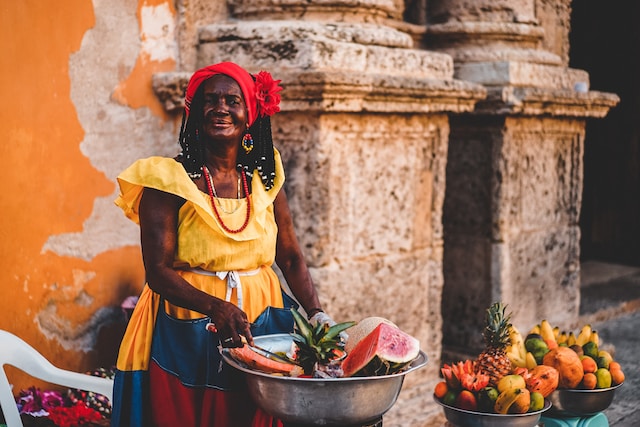 As a marginalized group, Afro-Colombian women are more vulnerable to experiencing racism, discrimination, violence and poverty. For decades, these issues have led to the disempowerment and marginalization of these women. Afro-Colombian women are especially vulnerable to experiencing human rights violations, particularly sexual violence, due to multiple forms of discrimination based on their race, gender and low social ranking. Government estimates indicate that “72% of the Afro-Colombian population is in the country’s two lowest socio-economic strata.”
Poverty and Inequalities Impacting Afro-Colombian Women
According to a 2020 report issued by the Immigration and Refugee Board of Canada, Afro-Colombians, in general, inordinately lack access to food, health care, education, economic opportunities and other resources necessary to escape poverty and live an improved quality of life. Factors including civil armed conflict and gender inequality have compounded with racism to exacerbate the injustices that Afro-Colombian women, specifically, face.
Between 1958 and 2015, Colombia’s ongoing conflict internally displaced more than 5.8 million people, with women accounting for about 58% of these displacements. Women, in general, not only face higher risks of displacement and poverty but also of abuse and exploitation. These risks increase among Afro-Colombian women and women belonging to other marginalized groups.
Colombia is one of the most monetarily unequal countries in the world and 19.6 million people in Colombia (about 39% of the population) lived in poverty at $6.85 or less per day in 2021. While the overall rate of poverty in Colombia has fluctuated throughout the years and the country has noted poverty declines, marginalized groups did not experience this relief and some faced an increase in poverty. Rural populations, which consist of many Afro-Colombian and Indigenous communities, had an increase in poverty from 2020 to 2021 (42.9% to 44.6%) while an estimated 1.4 million people “working in urban services and commerce” rose out of poverty in 2021 due to Colombia’s economic recovery.
In 2015, approximately 41% of the Afro-Colombian population lived in poverty in comparison to 27% of non-Afro-Colombian or non-Indigenous Colombians.
Lack of Access to Resources and Services
Certain factors, such as gender and racial discrimination, contribute to a greater risk of poverty among Afro-Colombians and exacerbate existing conditions of poverty. The racism that Afro-Colombian women face impacts every aspect of their lives and keeps them from accessing resources that would place them in positions of economic and social advancement. Research shows that nations can raise their GDP by US$2.1 trillion annually by dissolving racial income gaps.
When speaking with the United Nations Rapporteur in 2001, groups of Afro-Colombian women stated that they had little access to many basic resources, such as work and income, as a result of racism.
“Groups of women in Quibdó, where 85% of the population is Afro-descendent, indicated that most of the population lives in extreme poverty. Quibdó is the locality with the least water supply coverage in the country, 81% of homes have no sewage, illiteracy is up to 19% and maternal mortality rates are high,” according to the Inter-American Commission on Human Rights.
This lack of accessibility that is caused by internal national racism leads to the perpetual disenfranchisement of this community and causes them to live in the most impoverished cities. For example, the Choco region of Colombia is the most impoverished area of the country and approximately 85% of its population is Afro-Colombian.
Indigenous Peoples and Afro-Colombian Empowerment Activity (IPACE)
Several organizations and activist movements work toward empowering and helping Afro-Colombian communities. Among these is the United States Agency for International Development through its most recent plan: Indigenous Peoples and Afro-Colombian Empowerment Activity (IPACE).
Beginning in 2011, USAID has worked closely with Colombia’s Afro-Colombian population to promote inclusion and empowerment. In December 2021, USAID implemented IPACE, which is a $60 million initiative that connects with locally-led organizations to further their goals and elevate their voices on the national scale. IPACE’s mission is to help implement and uphold the 2016 Peace Accord in Colombia, specifically focusing on peacebuilding and inclusivity.
IPACE also aims to sustainably help economic development by providing training and job placements, risk management through emergency preparedness and services and diversity and inclusion support through acknowledging ancestral practices and building awareness of cultural differences. What sets IPACE apart from other initiatives is the commitment to a locally-led approach through an alliance of 10 partner organizations, all of which are either indigenous or Afro-Colombian. These organizations help IPACE lead and make decisions that are in the best interest of these populations.
Looking Ahead
Afro-Colombian women face multiple vulnerabilities as a result of marginalization and discrimination, which keeps them stuck in the depths of impoverishment. The intersection of racism, poverty and violence creates a cycle of inequality that the government and organizations must address at the root. Fortunately, organizations such as USAID and other locally-led groups are committed to changing the narrative and upholding the rights of Afro-Colombian women.
– Kellyjohana Ahumada
Photo: Unsplash
