Human Rights in Bosnia and Herzegovina
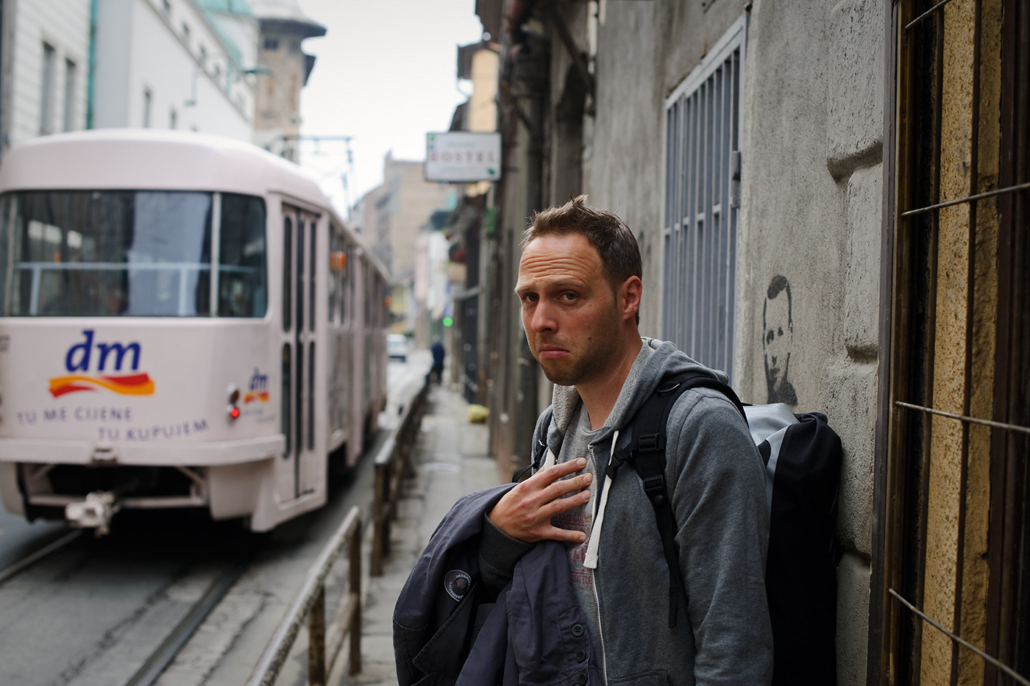
Bosnia and Herzegovina is a country located on the southern peninsula of Europe. Having gained its independence in 1992 following a war with Yugoslavia, Bosnia and Herzegovina is a relatively young country. The 1992-1995 war brought forth conflict between Bosniak, Croatian and Serbian individuals who wished to gain control of the territory. Thirty years later, tension continues to be prominent, challenging human rights in Bosnia and Herzegovina.
War
In March 1992, Bosnia and Herzegovina declared its independence from Yugoslavia. Bosnian Serb minority disagreed with the sovereignty of Bosnia and Herzegovina which led to conflict between ethnic and religious affinities and ultimately led to war as the country abandoned Yugoslavia. The war for independence ultimately caused great disagreement between Croats, Serbs and Bosniaks. During the war, the Bosnian Serb military campaign launched ethnic cleansing operations in an attempt to eliminate the number of Bosniak civilians. The war concluded in 1995 with an estimated 100,000 casualties.
The Borgen Project spoke with Velemir Jankovic, an individual born and raised in Bosnia and Herzegovina before the 1992 war and now lives in the U.S. Velemir describes that war’s impact on his village resulted in “his house being destroyed and him losing everything but hope.” Like Velemir, many refugees sought to escape the casualties of war. With physical destruction and political tension, many citizens still find themselves struggling to settle. While many suffered monetary loss, such as Velemir’s home, others lost family members, leading to great resentment among those the violence of war impacted. These differences have impacted the Bosnian population for the last 30 years.
Unemployment
In 2020, the unemployment rate in Bosnia and Herzegovina stood at 27%. Corruption and slow economic development contribute to low job availability in the area. Not to mention, ethnic conflicts enabled a divide in the country. Prejudice against certain ethnicities continues to be prominent after the war, therefore making it difficult for individuals to work harmoniously alongside one another.
There has been a progressive decrease in the unemployment rate in recent years. In 2014, 57% of Bosnia and Herzegovina’s youth were unemployed. That number has decreased to 14.9% in 2021.
While the country is still figuring out a strong economic structure, financial aid funds infrastructure and facilities for citizens. What may be contributing to the improvement of unemployment is the 2021 Instrument for Pre-accession Assistance (IPA), a €73 million investment for regional development, social protection, as well as employment and public transportation. One can see IPA’s impact on the labor market through the development of wage settings as well as the establishment of unions.
Poverty and the Economy
While unemployment is one of the leading factors in the stagnation of the economy, Bosnia and Herzegovina has not seen an impact on the poverty levels. The poverty rate has steadily remained at 15% between the years 2008 and 2020, according to the World Bank.
While aid enables the country to survive financially, the economy in Bosnia and Herzegovina is depleting. The COVID-19 pandemic caused a significant decrease in consumption in 2020, therefore slipping Bosnia and Herzegovina into “its worst recession in 25 years.”
Not to mention, inflation has increased by 16.7% in 2022. These circumstances create a difficult economic environment for citizens. With low employment rates and high consumer costs, it is very difficult for Bosnians to overcome the poverty rate.
Human Rights
Aside from low infrastructure in the economy, abuse of human rights in Bosnia and Herzegovina continues to occur three decades after the turmoil of the 1992 war. In 2021, there were significant reports of torture or inhumane treatment of civilians by law enforcement. Abuse of power by police also harms individuals such as journalists. It is common for journalists to face violent threats to erase content, prohibiting them from their right to press.
There has also been an increase in gender-based discrimination, in which women are targeted violently and mistreated in the workplace. The tension between ethnic groups continues to be present as well, with Bosnians often planning anti-refugee platforms, using hostility and threats to harm migrant communities, according to the U.S. Department of State.
Organizations Working to Improve the Situation
CARE, a nonprofit that began helping marginalized groups in the area in 1993, has been able to provide aid to many citizens in Bosnia and Herzegovina. It focuses on integrating minority group members into society through supporting local programs such as the Young Men’s Initiative II (YMI II), which it founded in 2006.
The YMI II ultimately joins young men in Bosnia and Herzegovina, teaching them the importance of gender equality. The goal of the program is to educate the younger generation on the importance of unity in efforts to make an impact on the years of tension and discrimination in Bosnia and Herzegovina.
There is an evident issue of human rights in Bosnia and Herzegovina following the 1992 war. Its independence from Yugoslavia enabled prejudice and discrimination among differing ethnicities. Through foreign aid and a steady increase in the employment rate, there is hope that this struggling country improves its social welfare.
– Micaela Carrillo
Photo: Flickr
