Poverty in Mauritania
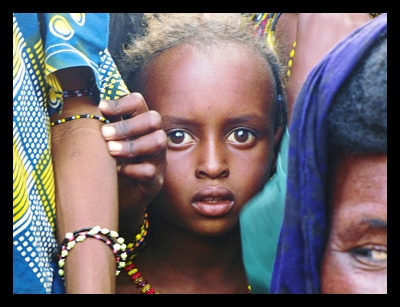
The West African country Mauritania borders the North Atlantic Ocean and marks the western edge of the Sahara desert. Like many countries in North Africa, it is rich in oil and other natural resources. Unfortunately, Mauritania itself has one of the lowest GDP in Africa; like similarly resource-rich countries, it, too, suffers from what is known as the resource curse. Poverty in Mauritania is quite prevalent — the World Food Programme estimates 42% of the population is in poverty — and is caused by a number of factors.
1. Geography and Climate: Only 0.5% of Mauritania’s land — a little over 1 million square kilometers — is suited for agriculture, but a majority of Mauritanians still depend on agricultural subsistence or raising livestock. Food insecurity is a severe problem due to incessant cycles of drought and erosion; such cycles were severe enough to force nomadic Mauritanians to the main cities in the 1970s and 80s. Because of Mauritania’s placement against the Atlantic Ocean and prevailing winds, the country is afflicted by intense dust storms at times.
2. Increasing Terrorist Threat Discouraging Investment: Travel to Mauritania has been discouraged in the last decade as militant Islamic groups have moved into the North Africa region; kidnappings of travelers for ransom or by al-Qaida groups (AQIM) have been reported by US State Department travel advisories as recently as May of this year. Travel is particularly dangerous in the northern and southeastern regions of the country. The security risk discourages foreign investment, especially in extractive industries where natural resources are located in rural areas.
3. Spill-Over from Neighboring Conflicts: Even though health care services are strained for funding for Mauritanian citizens, the country also faces further difficulty due to conflict that spills over from neighboring countries. Tens of thousands of refugees from Mali fled ahead of the conflict erupting in their country; the Mbera camp is one such refugee camp in which NGO Médecins Sans Frontières (MSF) has worked extensively. These camps are often far removed from the rest of the country, straining degrading or nonexistent infrastructure required for transportation of health care supplies and food.
On the whole, Mauritania has a great opportunity for improving the living conditions of its population. Its vast natural resources have been left relatively untapped — oil was discovered first only 12 years ago — which presents an opportunity for responsible resource extraction and processing so as to avoid the worst of the “resource curse.” The country has a long relationship with the World Bank and the International Monetary Fund, and its inflation rates have remained steady in the past few years despite the risk for severe crises due to high food prices. If foreign investors can find a secure environment in which to responsibly invest in its vast natural resources, Mauritania has great potential to face — and overcome — its extreme poverty.
– Naomi Doraisamy
Sources: CIA World Factbook, International Monetary Fund, MSF, World Bank,World Food Programme
Photo: Cultureist
