Alleviating Poverty in Lebanon
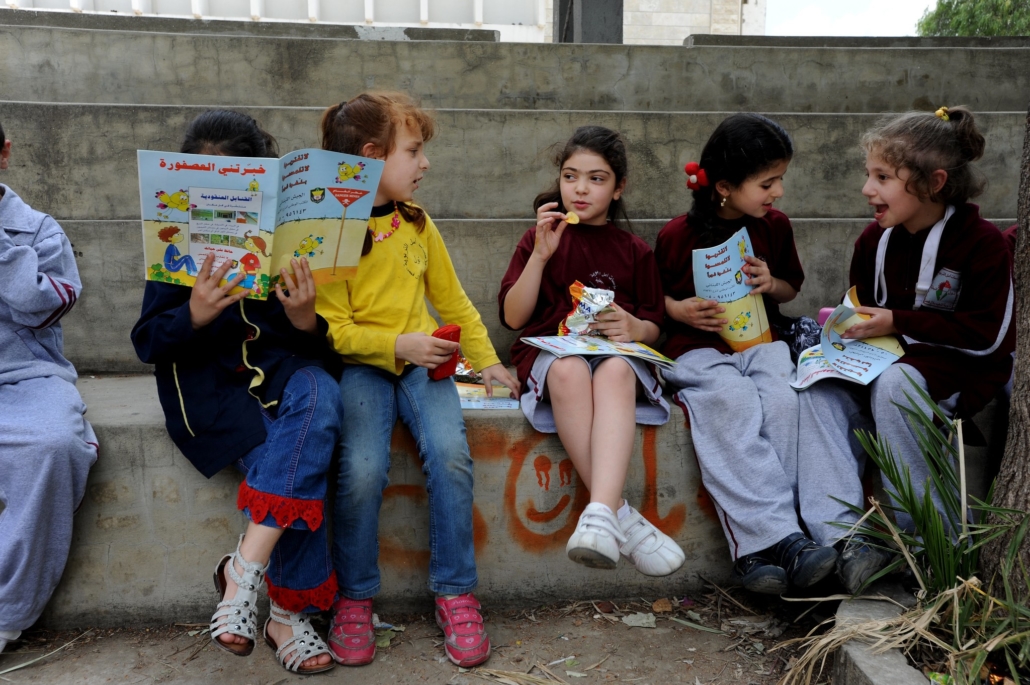
According to the United Nations, Lebanon is facing a significant economic crisis, with nearly three-quarters of the country living below the poverty line as of September 2021. This staggering poverty rate warrants assistance from the international community.
Lebanon’s Poverty in Numbers
In a 2019 report, the U.N. found that “between 2019 and 2020,” poverty in Lebanon rose “from 28% to 55%.” When looking at multi-dimensional poverty, the situation is even more severe. According to the World Bank, multi-dimensional poverty ratings look to “understand poverty beyond monetary deprivations,” by including six key indications: “education, health, public utilities, housing, assets and property as well as employment and income.” Lebanon’s multidimensional poverty rate almost “doubled from 42% in 2019 to 82% in 2021.” Furthermore, about a third of the Lebanese population has no access to adequate health care, a fact that is especially concerning in the wake of the COVID-19 pandemic. According to the U.N., close to 25% of the country could not meet their nutritional food needs by the close of 2020.
Additionally, by August 2021, Lebanon reached a record high unemployment rate of more than 35% — a sudden surge from the single-digit average throughout the past decade. With this crisis, the value of the Lebanese lira has also decreased by almost 80% against the U.S. dollar as a result of extreme inflation and economic deterioration.
Lebanon’s Deteriorating Economy
Investigations show Lebanon’s economic crisis could date back to the early 2010s, although the primary detriments of the surge appear at the beginning of 2019. Although there is no evidence that COVID-19 was a direct cause of this crisis, its effects certainly did not aid the economy when exports slowed immensely, thus stalling the country’s primary export industries. Additionally, World Bank experts predict that Lebanon’s economy may decline by 10.5% by the close of 2021.
Lebanon’s corrupt banking sector shares the blame for the country’s economic crisis. It lent the Lebanese government close to 75% of its deposits in early 2019. The result of this was “extreme bankruptcy.” Additionally, the political turmoil in Lebanon played a contributing role to instability — the nation had no official leader between 2014 and 2016. Experts believe the economic crash was inevitable with no proper leadership. According to an article by the Middle East Institute, Lebanon’s economy could see a decline “from $60 billion in 2018 to $15 billion” by the end of 2021.
World Bank Assistance
Despite how dire Lebanon’s situation may appear, hope is on the horizon. In January 2021, the World Bank Group announced the approval of “a $246 million new project to provide emergency cash transfers and access to social services to approximately 786,000 [impoverished] and vulnerable Lebanese” facing the impacts of both the economic crisis and COVID-19.
This initiative, the Emergency Crisis and COVID-19 Response Social Safety Net Project (ESSN), will also help implement “social safety nets” to improve the nation’s resilience and recovery in the face of “future shocks” or crises. To help people living in extreme poverty, the ESSN project will provide cash assistance to these individuals for 12 months. Additionally, the ESSN will provide a “top-up cash transfer” to 87,000 Lebanese children aged 13-18 to cover the costs of education, including uniforms, supplies and remote learning resources.
Lebanon’s economic crisis brings suffering to countless citizens. However, the World Bank’s ESSN poverty alleviation project has the potential to provide essential relief to the most vulnerable citizens, ultimately reducing overall poverty in Lebanon.
– Andra Fofuca
Photo: Flickr
