Cell Service and Disaster Recovery in the Caribbean
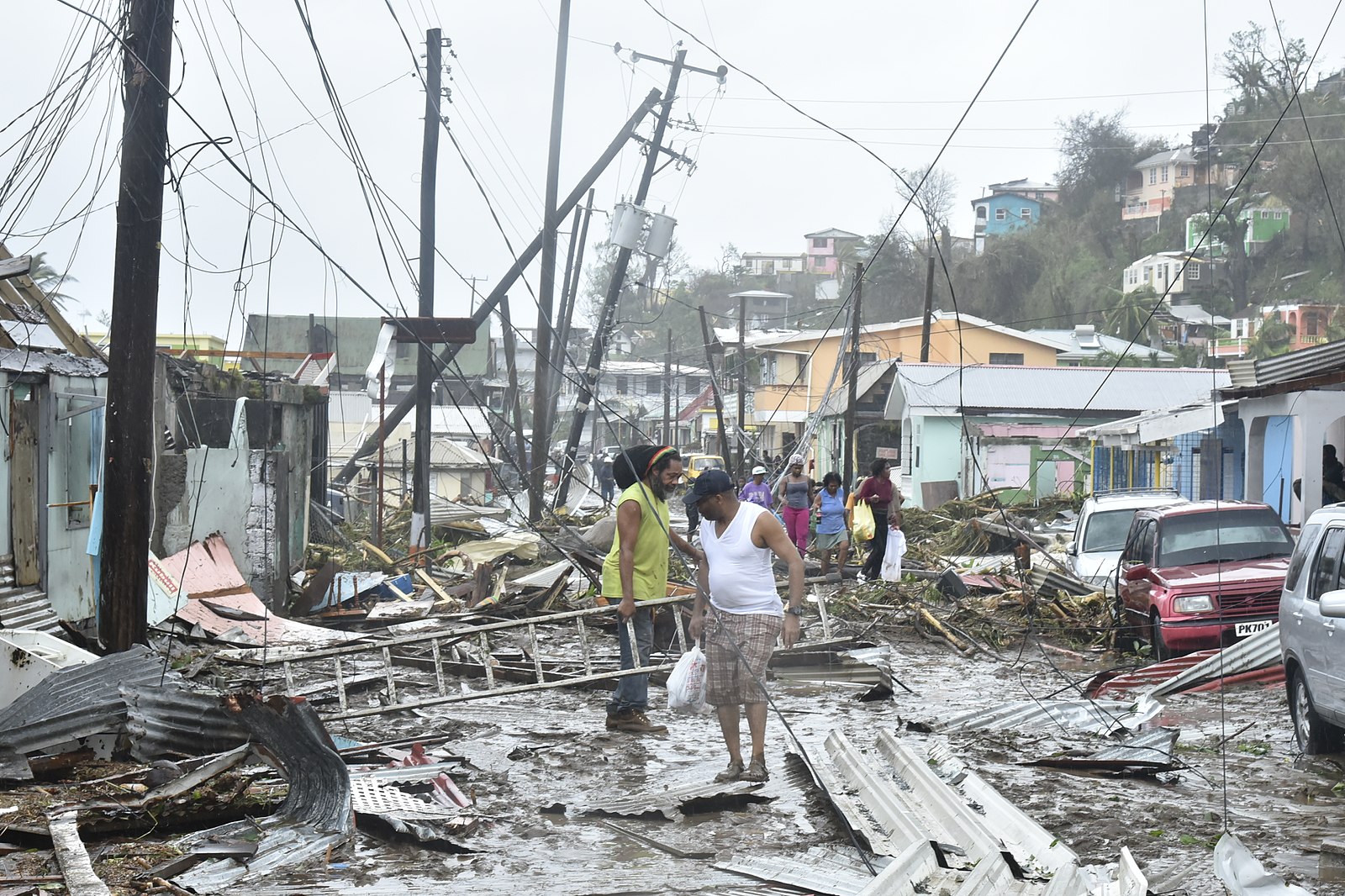 When a hurricane rips through a Caribbean island, news sites often report the destruction of buildings, damaged roads and lost lives. However, one of the most important things that people lose in a natural disaster is often invisible to a spectator’s eye: cellular connectivity. Cell service is crucial to life in the Caribbean islands, just as it is around the world. When Caribbean countries lose cell service, rescue operations, the economy and society itself grind to a halt. That is why many people have been developing creative ways to ensure cellular access during natural disasters.
In 2017, Hurricane Maria destroyed 75% of Puerto Rico’s cell towers, which deprived 91% of Puerto Ricans of their cell service. The most immediate effect of losing service was the inability of rescue teams to find or assist survivors. For weeks after the disaster, large parts of the island remained unable to communicate with the rest of the world to tell people about the island’s condition.
Rebuilding After Hurricane Maria
The lack of internet and cellular service proved a chronic problem for Puerto Rico as it attempted to rebuild after Hurricane Maria. Businesses were unable to advertise or sell their goods, and people could not coordinate rebuilding projects.
Even a year after Hurricane Maria, 10% of small businesses had not reopened and 40% of the population had lost their jobs or were earning less than they had before the hurricane. Estimates of the total financial cost of the hurricane range from $43 billion to $159 billion.
Cell Service and Subscriptions
In Puerto Rico, the internet is so important that the poorest 40% of the population pay about one-fifth of their income for broadband service. The rest of the Caribbean is equally dependent on connectivity. In most Caribbean countries, there are more cell subscriptions than people. The island nation of Dominica, for example, had 152 cell subscriptions for every 100 people in 2014. While other Caribbean countries have been lucky enough to avoid destruction on the scale of Puerto Rico, cellular and internet access after hurricanes is a region-wide problem.
Organizations Helping
Various organizations have proposed many innovations that could provide access to cell service and the internet in the aftermath of a disaster. One potential solution is internet balloons. These are huge balloons that float more than 12 miles in the air and grant internet access to huge swathes of land. Such balloons can undergo quick deployment in the wake of catastrophe and remain in the sky for as long as necessary. Unfortunately, Google’s Loon, the largest maker of these balloons, has shut down. As a result, the future of the idea is in doubt.
Other solutions also exist. Terrestrial Trunked Radio (TETRA) is a special way of sending radio signals in disaster situations. TETRA is a decentralized system, so it can broadcast from boats, storm shelters, planes and countless other mediums.
TETRA is also a two-way system, allowing people to communicate with each other in addition to a central broadcaster. Several Caribbean nations, such as the Dominican Republic, already use TETRA systems to provide both warning and relief to the public.
Natural disasters are inevitable, and so much depends on a country’s ability to respond to and recover from them. Perhaps no factor is as important for recovery as good cellular and internet service. New technology will hopefully ensure that connectivity continues when people most need it.
– Thomas Brodey
Photo: Wikimedia Commons
