Solving the Food Insecurity Crisis in Somalia
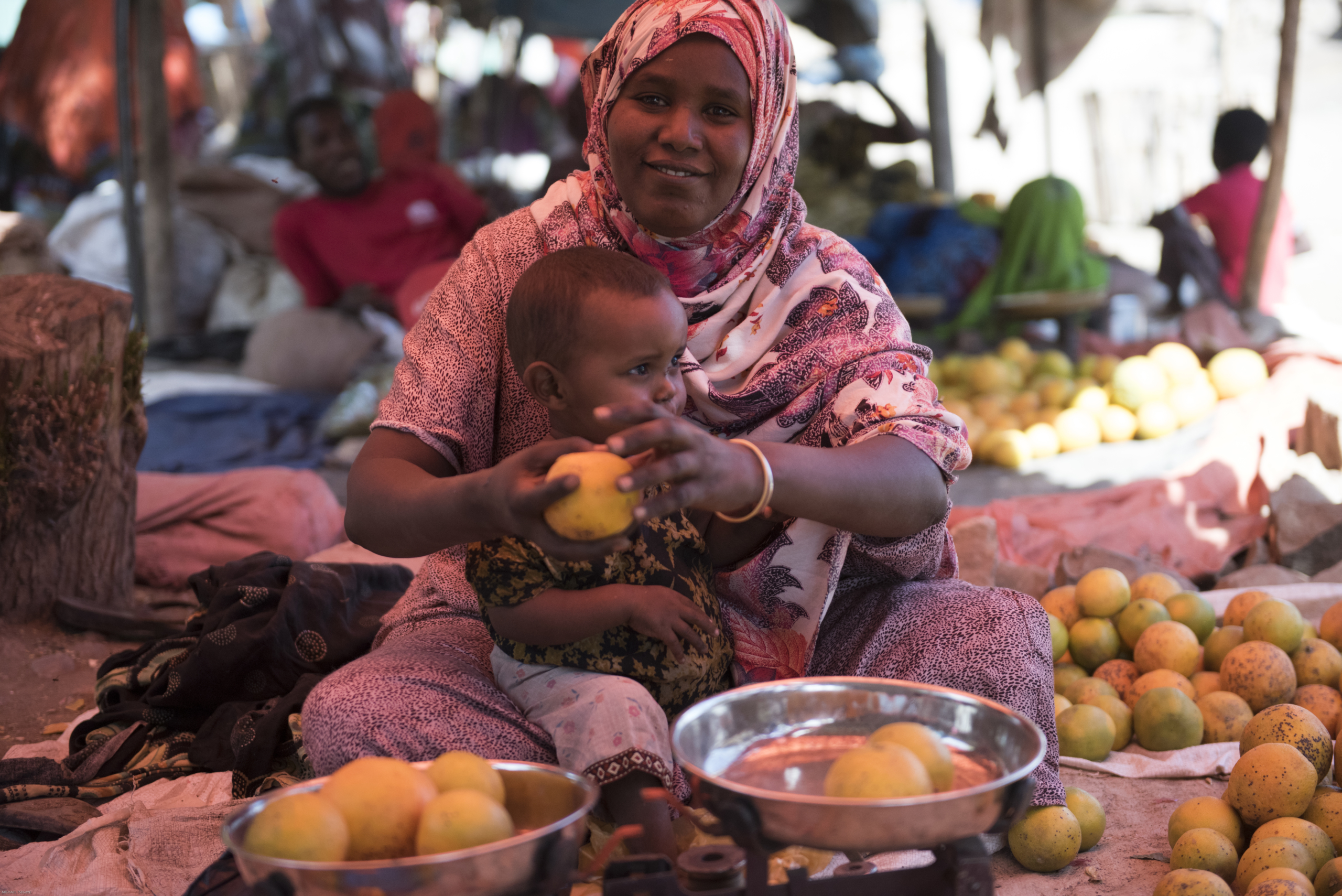 Somalia’s climate consists of sporadic periods of intense rainfall between long periods of drought. So far in 2021, a devastating mix of severe droughts, intense floods and locust infestations in Somalia have devastated crop production and livestock herds, leading to a hunger crisis. The effects of the COVID-19 pandemic further exacerbated the previously high rates of poverty in the country and have contributed to the food insecurity crisis in Somalia. USAID is aiming to combat the hunger crisis in Somalia by providing food assistance while also targeting assistance efforts to limit malnutrition among children and pregnant women.
Causes of the Food Insecurity Crisis in Somalia
Typically, heavy rains strike Somalia between April and June and again between October and December. During the two rainy seasons, extreme rainfall and flooding regularly displace Somalis across the country. However, in 2021, the rainy season ended in May instead of June. This early end caused intense droughts in Somalia.
Rainfall in some areas of Somalia has amounted to only half of the year-to-date average. As a result, deficit farmers in the south and northwest of Somalia have not been able to access water supplies adequate to plant Somalia’s staple crops. Moreover, pastoral households’ inadequate access to water has decreased the size and productivity of livestock herds. The subsequent meat, milk and crop shortage might surge food prices in Somalia.
The Famine Early Warning Systems Network projected that the Somali yield of cereal crops in 2021 will be up to 40% less than the yearly average. The drought has already decreased the food and water intake for farmers and pastoralists across Somalia, and low crop and livestock yields in the late summer harvest will lead to lower incomes for farmers and pastoralists. This will limit the purchasing power of Somalis employed in the agriculture sector. Altogether, the drought and subsequent low-yield harvests could extend the risk of a food insecurity crisis in Somalia past the summer.
The State of the Somali Food Insecurity Crisis
The Integrated Food Security Phase Classification (IPC) scale is a system that governments, non-governmental organizations and the U.N. uses to analyze the severity of food insecurity situations. The IPC scale ranges from minimal (IPC Phase 1) to famine (IPC Phase 5). By the middle of 2021, the IPC expects 2.7 million Somalis to encounter at least the crisis level of food insecurity (IPC Phase 3). Specifically, the analysis expects 2.25 million Somalis to be at the crisis level of food insecurity while another 400,100 will be at the emergency level of food insecurity (IPC Phase 4).
COVID-19 in Somalia
While the COVAX initiative and the Somali Federal Government have started the vaccination campaign against COVID-19 in Somalia, the virus continues to devastate the fragile economy. Even before the COVID-19 pandemic, the poverty rate (percent of the population below $1.90/day, 2011 PPP) in Somalia was at 69%. The poverty rate among Somalis in rural areas was at 72%.
Further, the worldwide COVID-19 induced lockdowns have limited employment opportunities for Somalis working in foreign countries. Consequently, Somalis working internationally are not able to send much money back to their families in Somalia, which heavily supports consumption in the country. Moreover, Somali businesses have reduced their full-time staff by an average of 31% since the pandemic first struck Somalia.
Lastly, a global reduction in demand for Somali livestock has decreased Somali livestock exports by 50% since the beginning of the pandemic, which further weakens the income of already impoverished Somali pastoralists. Thus, the global economic downturn resulting from COVID-19 threatens to intensify the food insecurity crisis in Somalia.
US Aid to Somalia
On June 24, 2021, the United States Agency for International Development (USAID) announced a pledge of $20 million in assistance to Somalia. USAID’s aid pledge to Somalia was part of a larger USAID plan to provide a total of $97 million to African countries to combat the health and socioeconomic ramifications of the pandemic. The U.S. aid plan will focus on tackling the food insecurity crisis in Somalia and will supply the country with staple crops like sorghum and yellow split peas. The funding also aims to limit the malnutrition of children and pregnant women.
The aid package builds on a U.S. commitment of $14.7 million in June 2021 to provide drinking water, fight malnutrition and support victims of gender-based violence.
While Somalia’s struggle with poverty and malnutrition is a longstanding and complicated issue, assistance from the U.S. and the rest of the global community could prevent a famine in the short term and boost the country’s economic development in the long term.
– Zachary Fesen
Photo: Flickr
