The South American NGO Helping the Homeless
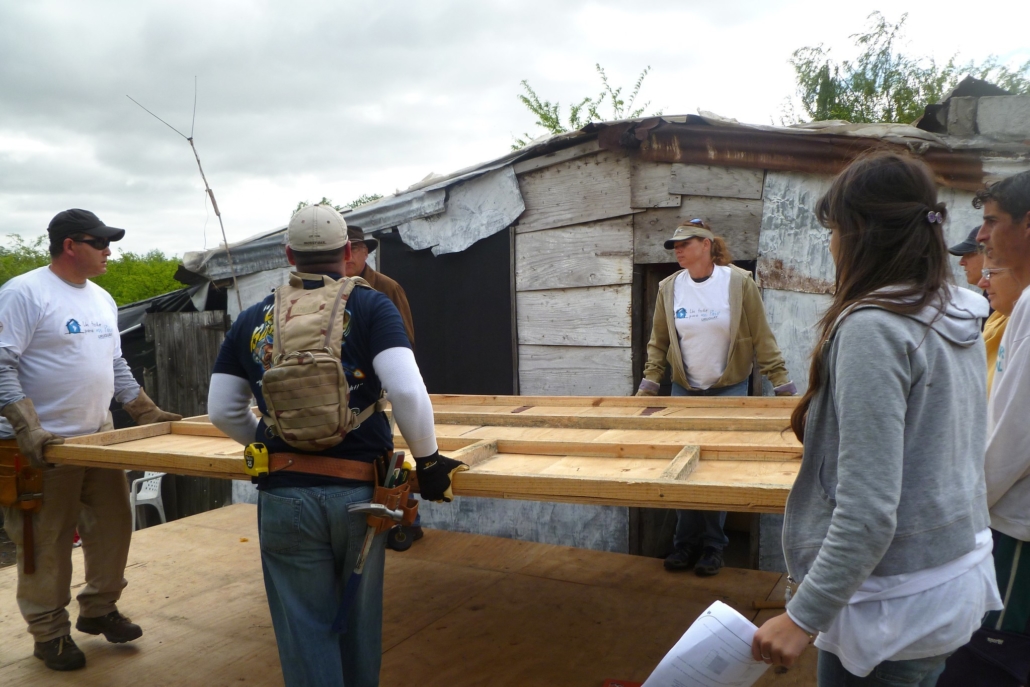
When topics of direct involvement to relieve global poverty come up in casual conversation, young people sometimes find new and innovative ways they can volunteer. Since young adults and teenagers often do not have a lot of disposable income to donate to causes that speak to them, they may choose to involve themselves with an NGO they can give their time and energy to. This is where Un Techo Para mi Pais, or TECHO, comes in as it has an impeccable volunteering model. Techo is a South American nonprofit that emerged in 1997 in Santiago, Chile. Since 2001, the organization began its expansion throughout Latin America, and by 2010, TECHO was one of the most prominent entities providing natural disaster relief to nine South American nations and helping the homeless.
About TECHO
TECHO’s main aim is to decrease homelessness rates on the South American continent, while improving the quality of life of those in comunas and favelas, building sanitary and safe communities and employing the work and energy of volunteers. As of 2021, Techo operates in 19 Latin American countries, with over a million volunteers across the continent helping the homeless and impoverished communities.
TECHO’s initiative consists of not only providing marginalized and impoverished communities with the dignity they deserve but also linking the volunteers with the communities they are aiding. The organization discusses each community’s specific needs as it helps design a unique action plan for each neighborhood and settlement. Joint action occurs as volunteers and settlement dwellers construct paved roads, community centers and emergency homes. The latter is their most popular project: modular prefabricated spaces that are easy and fast to build and provide shelter and insulation from the elements to families in need.
How Young People Can Participate
One does not need formal training in construction or city planning, as teenagers as young as 14 can participate by following a simple guide and plan of action. Young volunteers can do a wide range of jobs, such as asking for pecuniary donations as individuals or with their schools, collecting construction materials and assisting at construction sites to lend a hand. It is through this hands-on model that TECHO has become a very popular “club” to be part of within Latin American cities, as young people dedicate a lot of their time to campaigns fighting extreme poverty while learning about systemic and structural problems their particular societies face at a community level.
Anyone Can Help
Professionals are also necessary at TECHO for the most ambitious plans, and the organization accepts almost all areas of expertise including volunteer firefighters, cooks, construction workers and nurses. Even those with no experience in humanitarian aid or those without a formal profession can help, as according to the organization, “The first step is to get to know the organization’s model very well, and the tools necessary to carry out your role. Then, TECHO seeks to offer various activities that will help you to deepen your knowledge on topics such as poverty and human rights. No previous experience is required to lend a hand.”
The Inter-American Development Bank recently gave TECHO the rank of fourth most visionary organization of Latin America. Moreover, the organization is currently working on more than 500 settlements across Latin America hoping to expand its reach into the most precarious areas of the region, helping the homeless and providing many more families with dignified services and homes.
– Araí Yegros
Photo: Flickr
