Mitigating Floods in Southeast Asia
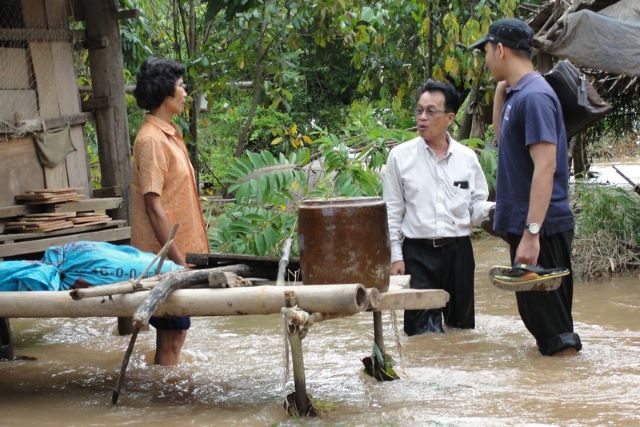 Traditionally, the people of Southeast Asia benefitted from small floods that enriched the soil and prevented bigger floods. However, human interference with the rivers has disrupted their natural ecological processes and increased long-term damage. The disruption of crops, destruction of land and the displacement of people due to flooding increases poverty, especially during Southeast Asia’s current economic crisis. Mitigating steps are necessary to prevent the harmful effects of floods in Southeast Asia.
Destructive Floods in Vietnam
In October 2020, heavy rains in Vietnam caused massive flooding that destroyed homes, land and agriculture. A massive 178,000 homes were destroyed and nearly 700,000 livestock fell victim to the floodwaters.
Described by the president of the Vietnam Red Cross Society as “some of the worst we’ve seen in decades”, the floods in Vietnam have affected around five million Vietnamese people, which will push more people toward poverty.
Urban Flooding in Cambodia
In Cambodia, cities such as Phnom Penh suffer from the effects of urban flooding. Urban flooding is unpredictable and has wide-ranging consequences, from the disruption of everyday life to the spreading of waterborne diseases. As is commonly associated with climate change, the poor are hurt the most by urban flooding, for their ability to prepare and recover from damages is significantly weaker than other classes.
Roughly 250,000 people living in Phnom Penh are living in informal settlements and deal with inadequate waste management and infrastructure. Stagnant bacteria-ridden water from floods can linger for eight months after floods, spreading a host of waterborne diseases to those in proximity. Furthermore, as the economy is projected to decrease by 4% in 2020 due to the COVID-19 pandemic, poor people are increasingly likely to be trapped in cyclical poverty.
COVID-19 Stalls Decades of Growth
Despite decades of deadly civil war, Cambodia has made consistent progress towards reducing poverty before COVID-19. Over the past two decades, life expectancy has increased 10 years, poverty has been reduced from 47% to 13%, and growth in the country averaged out to 8%. Additionally, the country lowered infant mortality rates from 10% to 2%.
While Cambodia’s COVID-19 cases are very low, with zero deaths thus far, the contraction of the global economic market has led to financial struggles for its citizens. The poverty rate is expected to balloon back up to 20% as a result of the economic crisis. The sectors hit hardest include the tourism and garment industries, where demand from its Western consumer base has drastically fallen.
Measures Against Floods in Southeast Asia
Although the nature of monsoons is unpredictable, the extent of the damage and destruction of floods can be mitigated. One recommendation is for Southeast Asian nations to commit to curbing emissions in order to combat climate change, which can increase the volatility of weather. Climate change reduces the ability for scientists to estimate long-term trends and build dams to control flood levels.
Additionally, the concept of leaving room for the river has become popular. This concept essentially promotes soft engineering, or removing human technology from rivers and allowing their ecological processes to be carried out naturally. Furthermore, allowing and managing small floods can benefit the land and those cultivating it while preventing big floods.
Though natural disasters cannot be controlled, efforts from organizations and governments may help the country’s resilience in the aftermath of floods in Southeast Asia. Such efforts can provide instant relief to affected people and may also help to alleviate overall poverty in the countries.
– Adrian Rufo
Photo: Flickr
