Misguided Priorities: Healthcare in Equatorial Guinea
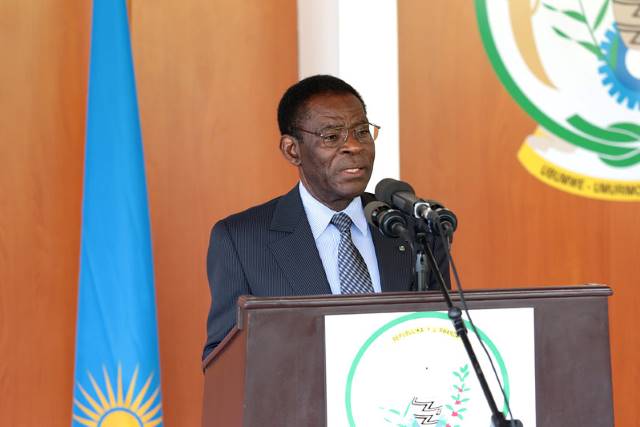 In the small Central African nation of Equatorial Guinea, the healthcare system is lacking in many ways. According to a report by Human Rights Watch, “45 other countries in Equatorial Guinea’s per capita GDP range spent at least four times as much on health and education during the same period.” A study by the Pan African Medical Journal has reported a “lack of resources and trauma care facilities” and that “training and informational programs for both healthcare workers and the general public may not be effectively transmitting information to the intended recipients.” Overall, it can be said that healthcare in Equatorial Guinea is in a dire state that certainly calls for assistance.
Things to Know About Healthcare in Equatorial Guinea
- Empty Promises. Following the discovery of oil in Equatorial Guinea in 1991, President Obiang promised investment in social services, primarily healthcare and education. Despite repeatedly saying he would prioritize those two services, financial allocation for funding has been disheartening. According to the World Bank, as of 2017, only 3.11% of the country’s GDP has been spent on healthcare, an increase since 2012, when it stood at 1.26%.
- Incorrect Priorities. Instead of allocating money towards improving its healthcare system, Equatorial Guinea has been investing in large infrastructure projects. In 2011, the country spent 82% of its total budget on such projects, a move that was heavily criticized by both the International Monetary Fund and the World Bank.
- Treatable Diseases are Deadly. Lack of funding means healthcare in Equatorial Guinea lacks diagnostic tools, trained staff, laboratory supplies, vaccines, cheap medication and condoms. The lack of affordable medicine and resources results in patients being reluctant to seek care and also means the most common treatable diseases become the deadliest. According to the Pan African Medical Journal, diseases like malaria, typhoid, sexually transmitted diseases, diarrhea and respiratory illnesses are the most common diseases, but also have the highest rate of mortality.
- Underfunded Healthcare Sector. The lack of funding to the healthcare sector in Equatorial Guinea also acts as a deterrent for people to join the profession and causes many to leave, due to the lack of pay. Data indicates that Equatorial Guinea has only three doctors per 10,000 people. Furthermore, because patient payments are not enough to keep facilities running, many also leave due to the difficulties in their ability to provide care.
- Traditional and Modern Medicine Conflict. There is a conflict between traditional and modern medicine, which many healthcare practitioners consider a “negative healthcare outcome.” Indeed, the reluctance for many families to consult hospitals to receive care due to the high cost of medication may drive them to traditional medicine methods instead. Though this conflict has been noted before, not many steps have been taken to help mitigate the gap.
Despite the dire state of healthcare in Equatorial Guinea, research does not indicate that the country is receiving much help from aid organizations or other countries to improve the situation. This conclusion indicates a desperate need for aid to better the country’s healthcare system. With help, healthcare in Equatorial Guinea can be drastically improved.
– Mathilde Venet
Photo: Flickr
