• Link to X
  • Link to Facebook
  • Link to Instagram
  • Link to TikTok
  • Link to Youtube
  • About
    • About Us
      • President
      • Board of Directors
      • Board of Advisors
      • Financials
      • Our Methodology
      • Success Tracker
      • Contact
  • Act Now
    • 30 Ways to Help
      • Email Congress
      • Call Congress
      • Volunteer
      • Courses & Certificates
      • Be a Donor
    • Internships
      • In-Office Internships
      • Remote Internships
    • Legislation
      • Politics 101
  • The Blog
  • The Podcast
  • Magazine
  • Donate
  • Click to open the search input field Click to open the search input field Search
  • Menu Menu
Blog - Latest News
Poverty Reduction

5 Facts About Energy Poverty
Energy Poverty
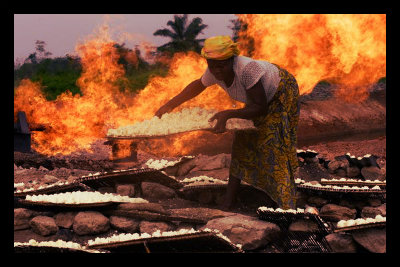
Energy poverty is an issue that is little known by people around the world. Many people assume that poverty only means lacking money or food, but it also means cooking and living with very primitive energy sources, which could be even deadlier than malaria, tuberculosis, and HIV/AIDS. If nothing is done by 2030 about the energy poverty crisis, 4,000 people could die each day of the toxic smoke and fires from primitive, unsafe stoves. Also, there are a few surprising facts about energy poverty that many people may not know.

1. There has been a tremendous amount of progress in delivering safe energy to people who need it, but it makes little difference. From 1990 to 2010, 1.7 billion gained access to electricity, and an additional 1.6 billion gained cleaner cooking fuels. But because the population grew by 1.6 billion during those years, there were still billions without safe energy.

2. It’s the quickly-developing countries that have the biggest energy problem. India is the fastest country to get her people access to electricity, and China has the most efficient energy on the planet, yet both countries have millions of people without electricity and other forms of safe energy.

3. About 3.5 million people each year die from indoor pollution caused by the smoke when cooking on wood and biomass cookstoves. Cookstove smoke is considered by some to be the largest environmental threat because it kills more than malaria (1.2 million) and HIV/AIDS (1.5 million) each year.

4. Countries with the most energy have people with the least. Nigeria produces the highest quantity of oil in Africa, yet it has the second highest number of people without safe energy in the world (behind India).

5. Renewable resources are currently not enough to provide safe energy across the world. The UN’s Sustainable Energy For All programs rely on creating more energy from renewable sources, such as solar and wind, to provide energy without polluting the earth, but renewable energy only accounts for less than 1% of the world’s energy consumption.

– Katie Brockman

Source National Geographic, National Geographic


June 4, 2013
Share this entry
  • Share on Facebook
  • Share on X
  • Share on WhatsApp
  • Share on Pinterest
  • Share on LinkedIn
  • Share on Tumblr
  • Share on Vk
  • Share on Reddit
  • Share by Mail
https://borgenproject.org/wp-content/uploads/borgen-project-logo.svg 0 0 Borgen Project https://borgenproject.org/wp-content/uploads/borgen-project-logo.svg Borgen Project2013-06-04 06:30:182020-06-26 13:55:185 Facts About Energy Poverty

Get Smarter

  • Global Poverty 101
  • Global Poverty… The Good News
  • Global Poverty & U.S. Jobs
  • Global Poverty and National Security
  • Innovative Solutions to Poverty
  • Global Poverty & Aid FAQ’s
Search Search

Take Action

  • Call Congress
  • Email Congress
  • Donate
  • 30 Ways to Help
  • Volunteer Ops
  • Internships
  • Courses & Certificates
  • The Podcast
Borgen Project

“The Borgen Project is an incredible nonprofit organization that is addressing poverty and hunger and working towards ending them.”

-The Huffington Post

Inside The Borgen Project

  • Contact
  • About
  • Financials
  • President
  • Board of Directors
  • Board of Advisors

International Links

  • UK Email Parliament
  • UK Donate
  • Canada Email Parliament

Get Smarter

  • Global Poverty 101
  • Global Poverty… The Good News
  • Global Poverty & U.S. Jobs
  • Global Poverty and National Security
  • Innovative Solutions to Poverty
  • Global Poverty & Aid FAQ’s

Ways to Help

  • Call Congress
  • Email Congress
  • Donate
  • 30 Ways to Help
  • Volunteer Ops
  • Internships
  • Courses & Certificates
  • The Podcast
Link to: Azerbaijan: MDGs Progress Link to: Azerbaijan: MDGs Progress Azerbaijan: MDGs Progress Link to: Pathfinder International Link to: Pathfinder International Pathfinder International
Scroll to top Scroll to top Scroll to top