Botswana Wives Granted Equal Land Ownership
On September 17, 2020, Botswana President Mokgweetsi Masisi announced that wives will now be able to own land independently from their husbands. This is an amendment to the 2015 Land Policy that prevented women from owning land independently if their husband was already a landowner or even co-owning land equally along with their husbands. Botswana, a landlocked country located in Africa, had also prevented widowed women from inheriting their deceased husband’s property. Because people considered women to be their husband’s property, the deceased husband’s inheritance would then pass down to a male relative, leaving the widow without any land to live or work on. Now that Botswana gives women equal land ownership, wives can regain independence inside of marriage. Married women are able to choose their own plot of land, which includes both state-owned and tribal land.
Measures Toward Equal Land Ownership
Unmarried women could purchase land after the 2015 Land Policy passed, but married women and widows had always experienced exclusion from this right. Additionally, husbands had the power to sell a property without consulting their wives, preventing them from having access to land used to work. Because Botswana gives women equal land ownership, wives are now equal to their husbands.
As an extra measure, President Masisi encouraged non-governmental organizations to teach women about their rights. Women will also have access to legal support to assist them in securing their success as landowners. This additional project will ensure the enforcement of the amendment so that as many women as possible can benefit from it.
This amendment is especially important during the COVID-19 pandemic, as widows previously could not inherit their husband’s land. Widows face the threat of becoming social outcasts and typically have no choice but to marry male relatives to grant security. Now that Botswana gives women equal land ownership, widows are able to support themselves and remain independent.
Women in Agriculture in Botswana
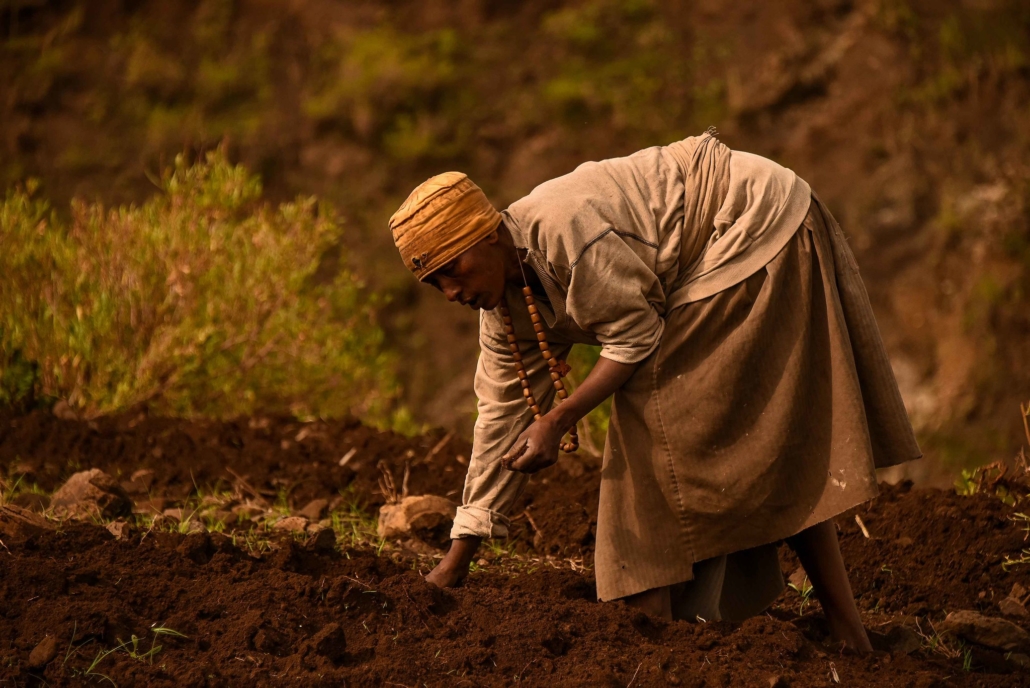
Land ownership is especially important for women in order to make a living from farming. About 80% of Botswana’s population are farmers, the majority being single women who can own land. Married women now will have an equal opportunity to work and contribute to their family income. Less than one month after President Masisi’s announcement, 53% of the 620,660 people on a waitlist to purchase property were women according to Botswana’s land audits reports. Globally, only 15% of female farmers own land, despite women making up the majority of farmworkers.
When announcing the new amendment, President Masisi said “The Botswana Land Policy 2015 was discriminatory against married women and did not give them equal treatment with men, and I am happy to report that this discriminatory sub-section has since been repealed.”
Botswana certainly has a long way to go with securing women’s rights, but protecting widows and granting wives equality to their husbands is a huge step in the right direction. Botswana’s recognition of married women’s rights to own land promises further advancements in women’s rights.
– Karena Korbin
Photo: Flickr
