5 Facts about Child Poverty in Rwanda
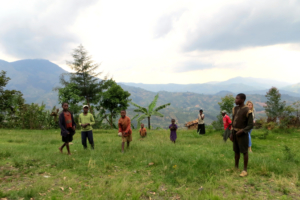 Just over 20 years ago, the country of Rwanda suffered a devastating civil war and genocide, with more than 800,000 dead in 100 days. The children that suffered and survived the horrors are now adults, but what implications does this dark history have on Rwandan children today? Rwanda’s economic, political and social climates have entirely shifted since these tragic events. Of note, from 2001-2015, the country’s overall extreme poverty rate decreased by almost 24%. But more work is needed to help address the prevalence of poverty among the country’s youngest inhabitants. To that end, the national government has implemented the National Strategy for Transformation, aiming to halve the child poverty rate by 2030 from 39% to 19.5% or less. Here are five facts about child poverty in Rwanda.
5 Facts About Child Poverty in Rwanda
- Urban/Rural Divide. The provinces located in the West and South of Rwanda’s geographic landscape are significantly more rural, making child poverty disparities extremely visible compared to their urban counterparts. There are many different forms of poverty, but significant aspects affecting Rwanda’s rural youth include lack of sanitation and lack of health services. Currently, 20% more children under the age of 2 in rural areas experience greater than one form of poverty relative to those living in urban areas.
- Health. There have been significant health improvements for children in Rwanda, including the 70% reduction in child deaths over the last decade. However, health and healthcare are still lacking for Rwandan youth, as nearly 40% of children who die before the age of 5 are infants less than one month old. Though the rate of child deaths is alarming, Rwanda has significantly decreased its HIV/AIDS transmission rate between mother and child to 2% during the last three years.
- Education. Around 27% of secondary school-aged children did not attend in 2014 and more than half of Rwandan youth did not complete primary education in the same year.
- Child Rights. The median age in Rwanda is very young, standing at about 18.8 years old, due to the country’s genocide decades earlier. The young demographic has caused an increased awareness of child rights in the country, which has led to the passage of a bill that created a National Commission of Children. Children’s rights are now openly advocated for in the country as a result of the commission’s efforts, which address children’s rights to education, health and non-discriminatory practices.
- COVID-19. Rwanda experienced a period of economic growth and improvement prior to the COVID-19 pandemic. Fortunately, the World Bank Group provided funding of $14.25 million to help the country improve its COVID-19 response. Children in Rwanda have suffered by losing financial security and job access. Still, young farmers in the region have successfully adapted to the pandemic by adjusting the market for crops to save their lands and maintain a profit.
– Josie Collier
Photo: Wikimedia

