7 Facts About Inequality in China
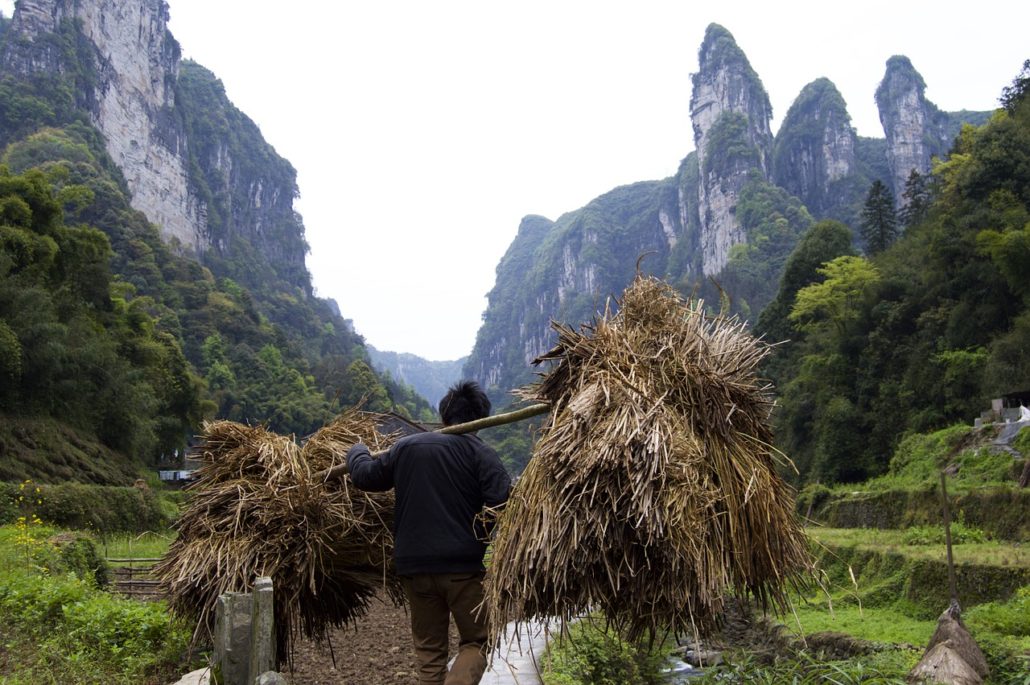 China, a vast country harboring nearly 1.4 billion people, is situated in East Asia. In 1944, China, one of the four Allied powers during the Second World War, became a pillar in forming what would later become the United Nations. Furthermore, China has become one of the fastest growing nations throughout the world. Despite its longstanding partnership with the U.N. and its rapid economic growth, widespread inequality and poverty still exist in China. Here are seven facts about inequality in China.
7 Facts About Inequality in China
- Income inequality is due to many systemic factors. Location within the country, families, lineage and hukou (home registration) play a vital role in individuals’ income. Another element is the swift economic expansion that has overtaken the country, which many view as a necessity for the country’s development.
- Rapid economic expansion has both hindered and helped China. In 1978, China opted to expand its economy, which has made its GDP rise by nearly 10% annually. The swift growth has allowed over 850 million people — more than half of the population — to remove themselves from poverty. However, 373 million people still make $5 a day on average in China. Due to China’s rapid expansion, inequality across social, economic and environmental spheres persists.
- The merit-based Hukou system plays a pivotal role in the income gap between urban and rural locations. Moreover, it hinders rural workers from migrating and contributing to the larger urban centers spread across the country. China’s eastern seaboard is home to numerous densely populated cities, which has left the western regions predominantly rural. This system favors the upper echelon of society while discriminating against former farmers from villages.
- China has 23 provinces, yet five are autonomous. These self-governing regions include Taiwan, Hong Kong and Macau. Taiwan is considered a province yet it still has its currency, localized government and the national flag. Hong Kong and Macau are considered administrative regions, with the former set to be absorbed by the mainland in the coming years.
- In 1979, Mao Zedong, founding father of the People’s Republic of China, implemented a one-child policy that aimed to control the rapidly growing nation. More than three decades later, the country changed the policy to allow for two children per family in 2015. Despite strict efforts to diminish the surge in population, China still has a large proportion of children across all developing nations and a significant child poverty issue.
- Child poverty is a big issue in a country of nearly 1.4 billion. China holds one out of every five children across the developing world. Child poverty in China is a generational issue that can be traced back to family dynamics. However, the country is providing social assistance for children attending their education and for being fed an adequate amount. This strategy is known as a conditional cash transfer, and it helps children climb out of poverty.
- Healthcare hurts the poor. Nearly 200 million farmers have fled their respective regions to find work in cities, but the China has adopted a “pay first, claim later” form of healthcare. China has aimed to tackle healthcare through its rural poverty alleviation program; however, high medical expenses have adversely affected rural populations.
Despite China’s rapid economic growth, the country has suffered and experienced backlash over its imbalance in the social welfare of its citizens, its impact on climate change and the economy. These facts about inequality in China highlight elements that have played a role in perpetuating inequality and how it has predominantly affected those from rural settings. However, the country is determined to turn the tide on these challenges and has made headway moving forward, supported by the U.N.
– Michael Santiago
Photo: Needpix
