The Effects of Microfinance on Gender Inequality
Many women around the world struggle to stay afloat and support their families. However, the effects of microfinance on gender inequality are significant in that a loan could help women start businesses to financially support themselves.
The Story of Nicolasa
At the age of 4, Nicolasa’s mother died, leaving her in the care of her father and older sister. Though Nicolasa’s father did his best to provide for his daughters, they both had to abandon their education in order to keep the family afloat. Nicolasa and her sister worked on the streets of San Antonio Palopó, Guatemala selling a variety of food items.
As Nicolasa grew up and married, she vowed that her child would not live the same life as hers. She wanted to be present for her children, yet the only place she had worked was far from home. To care for her children both physically and financially, Nicolasa decided she would start her own weaving business from home. With no capital or collateral, and no banks to borrow from in her small town, Nicolasa faced an immense obstacle.
Microfinance
Nicolasa’s problem is one that many women in Guatemala and other developing nations face every day. Guatemalan women want to become financially independent but often have nowhere to obtain even a small loan. Without the aid of a financial institution, these women have minimal opportunity to start a business, make small investments or simply support their families.
In 1976, Muhammad Yunus recognized the difficulties these women face and started the first modern run microfinancing bank. His goal was to lend small amounts to those in developing countries who did not have access to banks or had little collateral to support their endeavors. A microloan as small as $60 could now go to a woman opening a fruit stand, for example. Microloans may not cover large purchases, but just a small amount of money can go a long way for women in developing nations. A successful loan may help a woman jump-start her business and become financially independent. Therefore, the effect of microfinance on gender inequality could be very significant.
The Effect of Microfinance on Gender Inequality
Studies have proven microfinance to be a great tool for economic development and the promotion of gender equality. When women are financially independent, they often meet with greater decision making power within their households. Gender equality within households often results in women taking a more prominent stance on societal issues, which in turn, further promotes equality around the world.
Gender equality can also create a healthier and more robust global economy. A study that the McKinsey Global Institute conducted claims that if each country had equal opportunity for women, the global GDP would increase by $28 trillion, or 26% by 2025. From individual households to the global economy, gender equality results in a healthier balance of power across developing nations.
Criticism
Not everyone agrees with the impact that microfinance could have on gender equality. Many critics claim that a country’s cultural disapproval of women who work can minimize the positive effects of microfinance and prevent women from obtaining microloans. To combat these cultural norms and their negative effects on gender equality, many microfinance banks offer loans to women who are hoping to start a business from home. Nicolasa is one of these women.
Nicolasa Now
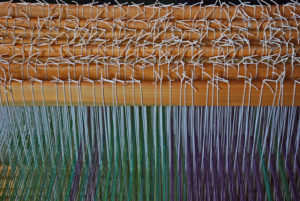
Nicolasa obtained a loan of $400 from the Foundation for International Community Assistance. She used the money to buy a loom, from which her success was significant enough to seek investment for a second loom. She currently weaves fabric and rents out her other loom to women from her village. Nicolasa is now proudly saving to send her daughter to college.
Nicolasa is one of many women in developing countries experiencing the positive effects of microfinance. She has provided herself with a sustainable income and is giving her daughter the wonderful gifts of higher education and financial support. If one small loan can change a woman’s life for the better, it is easy to see how microfinance is providing the same benefits to women across the world.
– Aiden Farr
Photo: Flickr
