Tackling Energy Poverty in Italy
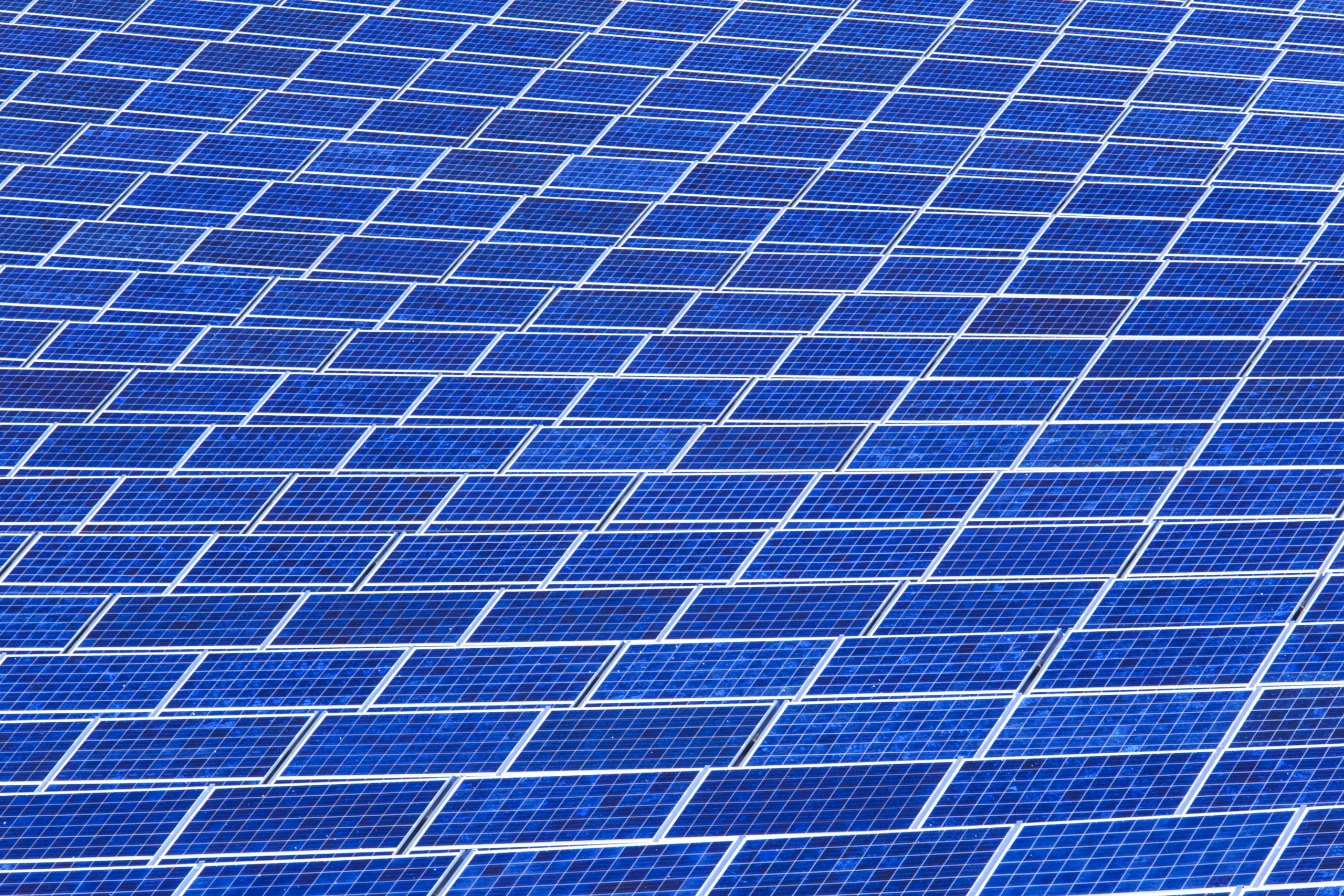 Italy ranks third in Europe for utilizing renewable energy sources to provide for its citizens. With 36% of renewable energy generating electricity, other country leaders are looking towards Italy for the blueprint when it comes to making a greener change. However, Italy’s absolute poverty rate is close to 10%, equating to more than 5 million people. With the help of nonprofit organizations and energy companies, Italy will make green energy accessible to low-income families and guide them through the transition.
Energy Poverty in Italy
Energy poverty has become a serious concern for government officials in Italy, especially since the war between Russia and Ukraine began. The Russia-Ukraine war pushed Italy to work relentlessly towards providing itself with other power sources to become independent of Russian gas. This included record highs of solar panel and heat pump installments to adapt to the crisis.
The elderly, immigrants, low-income and single families have been greatly affected by these circumstances. Especially in places like Naples that have some of the highest poverty rates in the country. According to PresnaLatina.com, “nearly 1.4 million children” live in absolute poverty.
The effects of energy poverty include declining health, inability to pay bills, loss of electricity in the home due to poor energy efficiency, little to no knowledge about renewable energy and inflated prices. This has led to an increase in people having very little access to green living.
Combatting Energy Related Poverty
Italy has introduced the National Resilience and Recovery Plan (NRRP) to increase the usage of renewable energy. The aim is to eliminate coal by 2025 and increase electricity production from renewables by up to 72%. Trade.gov states that “Italy has devoted €59 billion to incentivize renewables between 2021–2026”.
Organizations such as Enco, Fondazione Famiglia di Maria and Legambiente Campania have been working with families to educate them on how to utilize green energy. For example, Fondazione Famiglia di Maria has provided workshops for the children of low-income families to learn about recycling, the difference between fossil fuels and renewable energy, and assisted the children with making plans for creating a greener friendly environment. Meanwhile, Legambiente Campania showed families how to monitor their energy consumption, how to read bills and gave them tips on when to use electric appliances. Also, Enco functions as a start-up that supports renewable energy communities in the making.
The works of Fondazione Famiglia di Maria and Legambiente Campania have allowed neighborhoods like San Giovanni the opportunity to transition into using clean energy for little to no cost. In addition, Fondazione con il Sud, a nonprofit organization, donated over 100,000 dollars to Fondazione Famiglia di Maria and Legambiente to install solar panels in San Giovanni in 2020 which generated about 65,000 kWh for the year which was enough to power 20 homes.
Looking to the Future
Acts of service from organizations like these will help uplift low-income families out of poverty. Increased usage of green energy means more jobs. Plus, the workshops children have been attending will give them the skills needed to be designers, installers, engineers and planners to continue to build green-friendly neighborhoods like those they are creating for themselves.
In addition, it gives families a chance to generate income. With the excess energy produced from their solar panels, they can sell them to local utility companies. This is just the beginning for San Giovanni and similar neighborhoods. The move towards increasing households’ connection to solar power will allow more families to improve their quality of life.
– Zyairah White
Photo: Flickr
