5 Mobile Technology Solutions
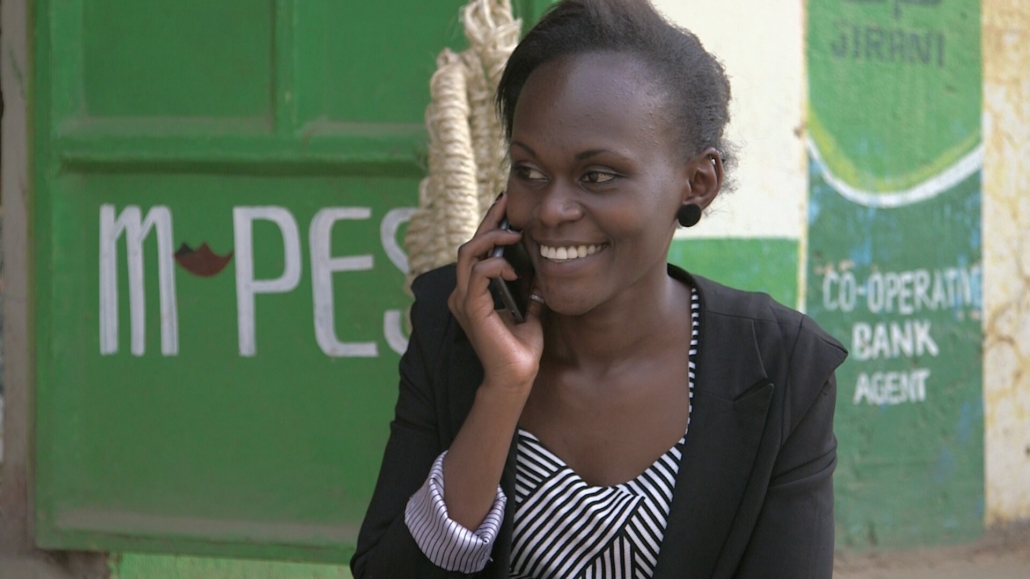
Mobile line subscriptions in developing countries are at 98.7 percent. In fact, nations with lower economies have more access to mobile devices than to water or electricity. Here are five mobile technology solutions for developing countries.
5 Mobile Technology Solutions for Developing Countries
- iCow: A Kenyan farmer named Su Kahumbu Stephanou created an application called iCow. One can easily download the app to a mobile device and run it off of SMS, which can make it accessible to the vast majority of people. The app helps farmers and shepherds track the gestation periods of their cows. It can also connect farmers to each other so they can offer advice on taking care of their animals. The app provides the user with helpful locations such as insemination centers and veterinarians. Moreover, the system has a menu so the users can select what they need wherever they are. This improvement makes it much easier for users to monitor the health of their cows. The regions using iCow the most are Kenya, Ethiopia and Tanzania. App usage has resulted in both income and productivity. In addition, it serves to improve milk, poultry, eggs, crops, soil fertility, mortality rates and overall health.
- RapidSMS: RapidSMS is an open-source platform that UNICEF and Pivot Access developed in 2007. It originally emerged to collect data and create activities for children. However, it adapted to its user bases’ needs over time. Now, RapidSMS lets users make data collection and SMS services in its communities. This makes information available over the internet to all users. The app is also able to register births, monitor nutrition and remotely diagnose patients. The regions using RapidSMS the most are Uganda, Kenya, Nigeria and Ethiopia.
- M-PESA or Mobile Pesa: This application works with money. It is a mobile system that helps users transfer, deposit and withdraw money. M-PESA is for people who cannot access these services because of their location. The application works through SMS by loading money onto a SIM card and sending it to its desired phone. The minimum amount of money is KSHS 101 and the maximum is KSHS 70,000. In addition, it converts the amount into cash at any legitimate establishment. Then, the recipient receives said funds in their country’s currency. Villages in Kenya mostly used M-PESA, but it has expanded to countries in Eastern Europe, Africa and Asia. If one wishes to send money to someone in South Africa, they must first enter a secret word. Additionally, the recipient must know this word in order to receive the money. App usage resulted in an increase in income and a decrease in petty crime related to money.
- WorldReader: WorldReader is an NGO, with the support of USAID and other institutions, that distributed upwards of 30,000 e-readers in 16 African countries. Its application translates books into 52 languages. Also, the application makes education and reading much more prevalent in developing countries. So far, it has 35,000 titles for its user base of more than 10 million.
- Malaria-Diagnosing App: An upcoming application has the design to detect malaria in patients. More people will be able to use the application because it will be automated and mobile. The system uses Giemsa-stained peripheral blood samples, light microscopy, AI and image processing techniques to find Plasmodium falciparum species, a parasite that carries malaria. Concepts from the integral image and haar-like features inspire the algorithm. Thus far, its accuracy is 91 percent. Once released, it plans should be easily accessible through health centers and mobile devices. In addition, its automation makes it much easier for medical professionals to diagnose malaria without expensive equipment or much knowledge of malaria itself.
These five mobile technology solutions each allow a unique benefit to challenges that developing countries face. Through technology like iCow, M-PESA and WorldReader, farmers can maximize their crops, those with limited access to financial institutions can still deposit and transfer money, while people can access multitudes of books in their chosen language.
– Nyssa Jordan
Photo: Flickr
