5 Facts About Health in North Korea
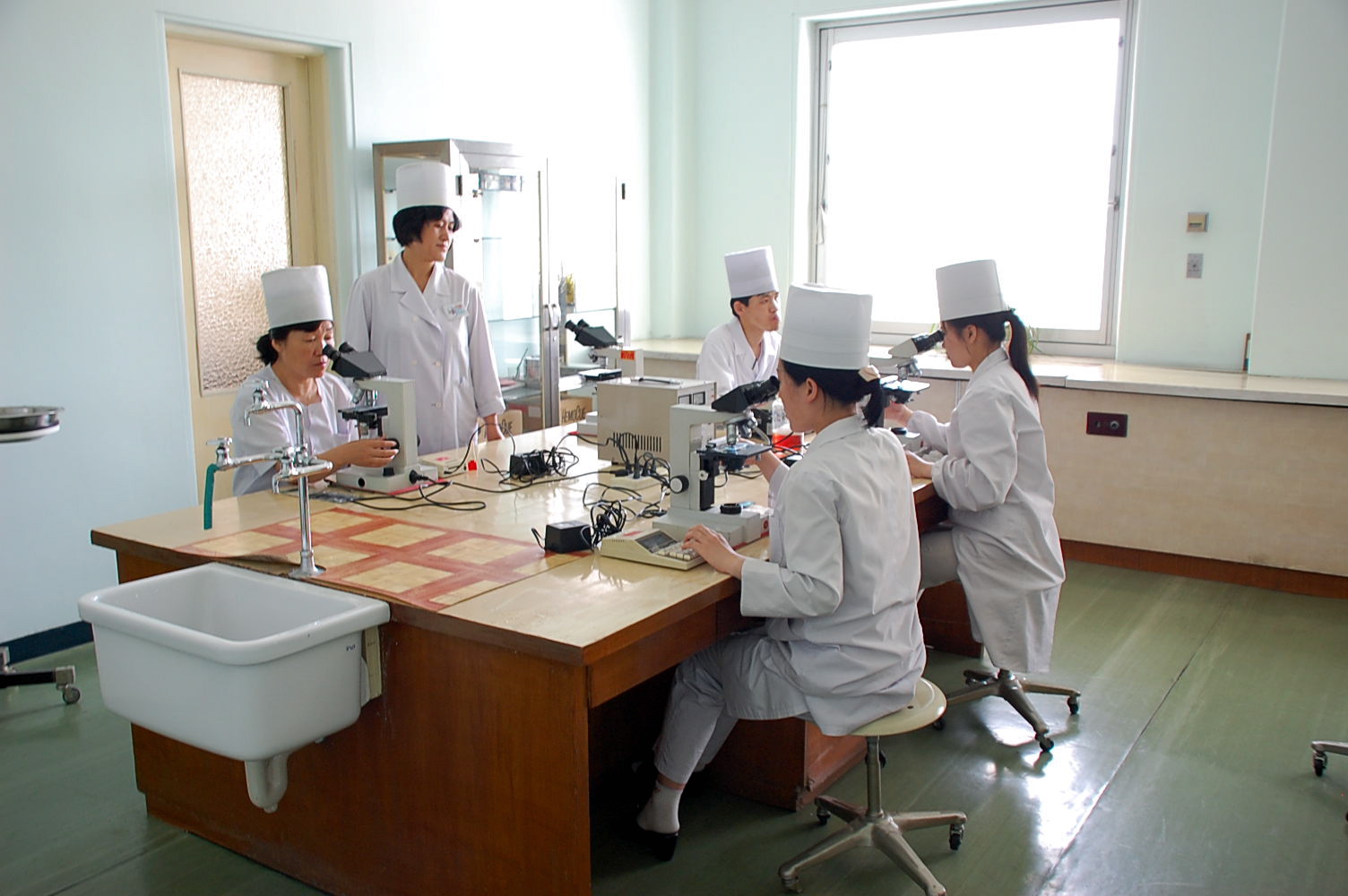
Despite North Korea having universal health care, many of its citizens struggle to obtain basic health care. The health care system has been in a state of crisis since the 1990s, so the little health care that is available goes to high-income Koreans. Here are five facts about health in North Korea.
5 Facts About Health in North Korea
- North Korea spent the least on health care in the world in 2019. The total amount of money that the country did use for health care equaled less than $1 USD. The lack of funding makes the quality of health care lower which prompts citizens to bypass doctors altogether and buy medicinal products from markets and self-medicate.
- Two out of every five North Koreans suffer undernourishment. Mission East, a Danish NGO, is the only U.N. exception sending agricultural machinery into the country – which the country has banned alongside metal objects. Mission East emerged in 1991 and was finally able to establish a country office in Pyongyang in the summer of 2019. It helps the rural population with food security and health in North Korea.
- Out of the 131,000 cases of tuberculosis in North Korea, 16,000 citizens died throughout 2017. Multi-drug resistant strains are becoming more and more common in recent years. The Eugene Bell Foundation has been giving health care aid to North Korea since its beginning in 1995. The Foundation returns to North Korea every six months and has initiated a multi-drug resistant tuberculosis program as well as a tuberculosis care program. The program has cured over 70 percent of the patients in North Korea with multi-drug resistant tuberculosis.
- Sixty-one percent of North Koreans have access to safe water. UNICEF in North Korea has implemented a Water, Sanitation and Hygiene program (WASH). NGOs such as the Swiss Humanitarian Aid and World Vision International have received approval from the U.N. to send shipments related to the WASH program into the country. UNICEF works to promote good hygiene, provide technical support and support delivery of supplies.
- The infant mortality rate is 33 percent in North Korea. People often neglect children with disabilities and do not report their deaths in most cases, so the number could be up to five times higher than reported. Minimal access to health care, good sanitation and healthy foods play a huge role in the deaths of infants and their mothers. The Korea Foundation for International Healthcare, established in 2006, has partnered with The Partnership for Maternal, Newborn and Child Health to provide medicine, procedures and surgeries to citizens regardless of gender, ethnicity or religion. Recently, a vaccination campaign has immunized millions of North Korean children.
It is not easy to obtain information on North Korea due to the isolated nature of the country. A lot of organizations have to fight to provide aid to the citizens and the ban on equipment and metal shipments into the country makes it hard to provide proper care to people in the country. Since the country prevents citizens from leaving the country without permission, these organizations are the saving grace for many. Health in North Korea is not as successful as it may seem at first glance, but the recent decisions the U.N. has made leaves room for optimism and change.
– Taylor Pittman
Photo: Flickr
