Eradicating Femicide in South Africa
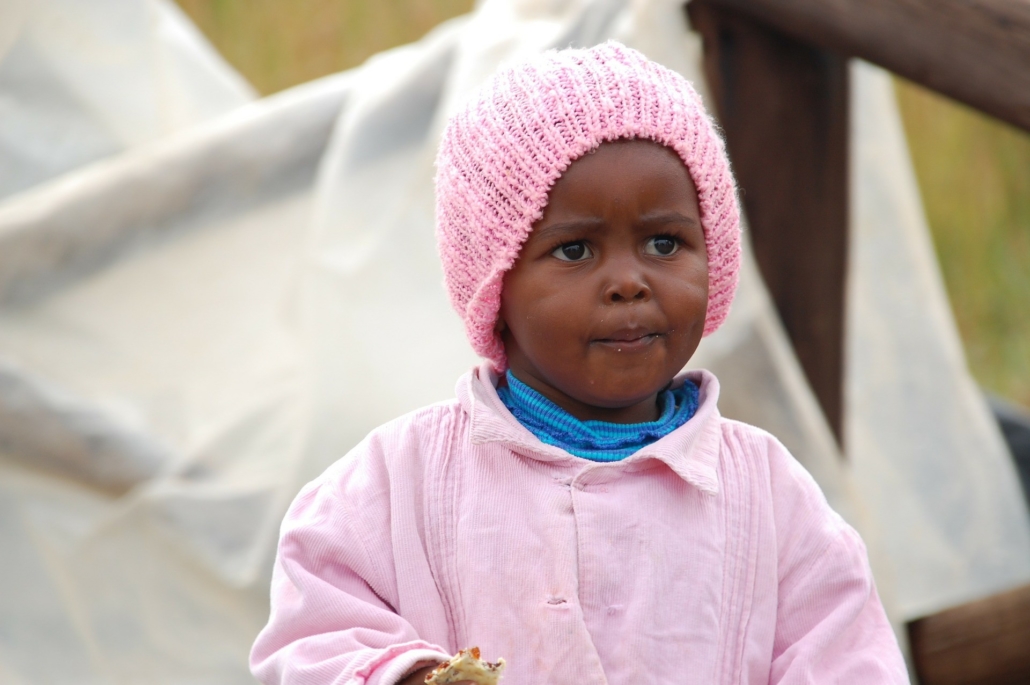
In September 2019, after days of protests, the South African government declared femicide in South Africa a national crisis. Femicide, simply put, is the intentional murder of a woman. However, the World Health Organization (WHO) elaborates on the definition and adds that the murder of a woman is intentional because she is a woman. It is different from male homicide because in many cases of femicide, the crime is “committed by partners or ex-partners and involves ongoing abuse in the home, threats or intimidation, sexual violence or situations where women have less power or fewer resources than their partner.”
The Facts
The Republic of South Africa is at the southern tip of Africa, and Namibia, Botswana, Zimbabwe, Mozambique, Swaziland and Lesotho borders it. Femicide in South Africa is nothing new, dating back as early as colonialism in the 17th century. Female violence has continued since then, possibly due to the lack of severe consequences for the perpetrators. However, studies for femicide in South Africa did not begin until 1999.
According to South Africa’s Department of Police, someone murders a woman every three hours, which equates to about seven per day. In contrast, someone murders a man every 30 minutes, about 50 per day. Despite the lower murder rates for women, most female homicides are much more violent in nature than the male. Many of the female victims suffer assault, rape and burning before their perpetrators dump them. In comparison to other countries, this rate of femicide is almost five times higher than the world’s average. South Africa ranks fourth in the world for the highest rate of violence against women. Additionally, people reported 39,633 rapes and 6,253 sexual assaults in 2017 alone.
Activism Enabling Change
Femicide has gained a lot of media attention in recent years. Anene Booysen suffered brutal rape and murder in 2013. In 2017, an ex-boyfriend murdered Karabo Mokoena. Protests against femicide in South Africa broke out in September 2019 after the rape and murder of the University of Cape Town student, Uyinene Mrwetyana. The protests requested action from the South African government, including the death penalty for all perpetrators of femicide.
South African President Cyril Ramaphosa announced that the country was in a national crisis of violence against women after three days of protests. He detailed a plan of action to combat femicide and gender-based violence, including making the register of offenders public, reviewing cold cases and providing harsher penalties for perpetrators. President Ramaphosa also promised to implement policies in schools, workplaces and communities that would curb violence against females.
The Cavalry Steps In
Femicide in South Africa is also gaining attention internationally. The stories of Anene Booysen and Karabo Mokoena have made international headlines. Award-winning and South African-born actress Charlize Theron has used her platform to speak out against the violence against women in the country, and she has been doing so since 1999. She urged the leaders of South Africa to do more for women and told men not to be bystanders.
In an era of the internet and movements such as #MeToo, the ongoing femicide in South Africa is impossible to ignore. Thankfully, the South African government has taken the right steps. Not only did the President of South Africa publically acknowledge it as a national crisis but also vows to take action against it. It remains for one to see if the South African government keeps its promises, but it is clear that the women and media of South Africa will hold it accountable until they get the justice they deserve.
– Emily Young
Photo: Pixabay
