Examining 10 Myths About Refugees
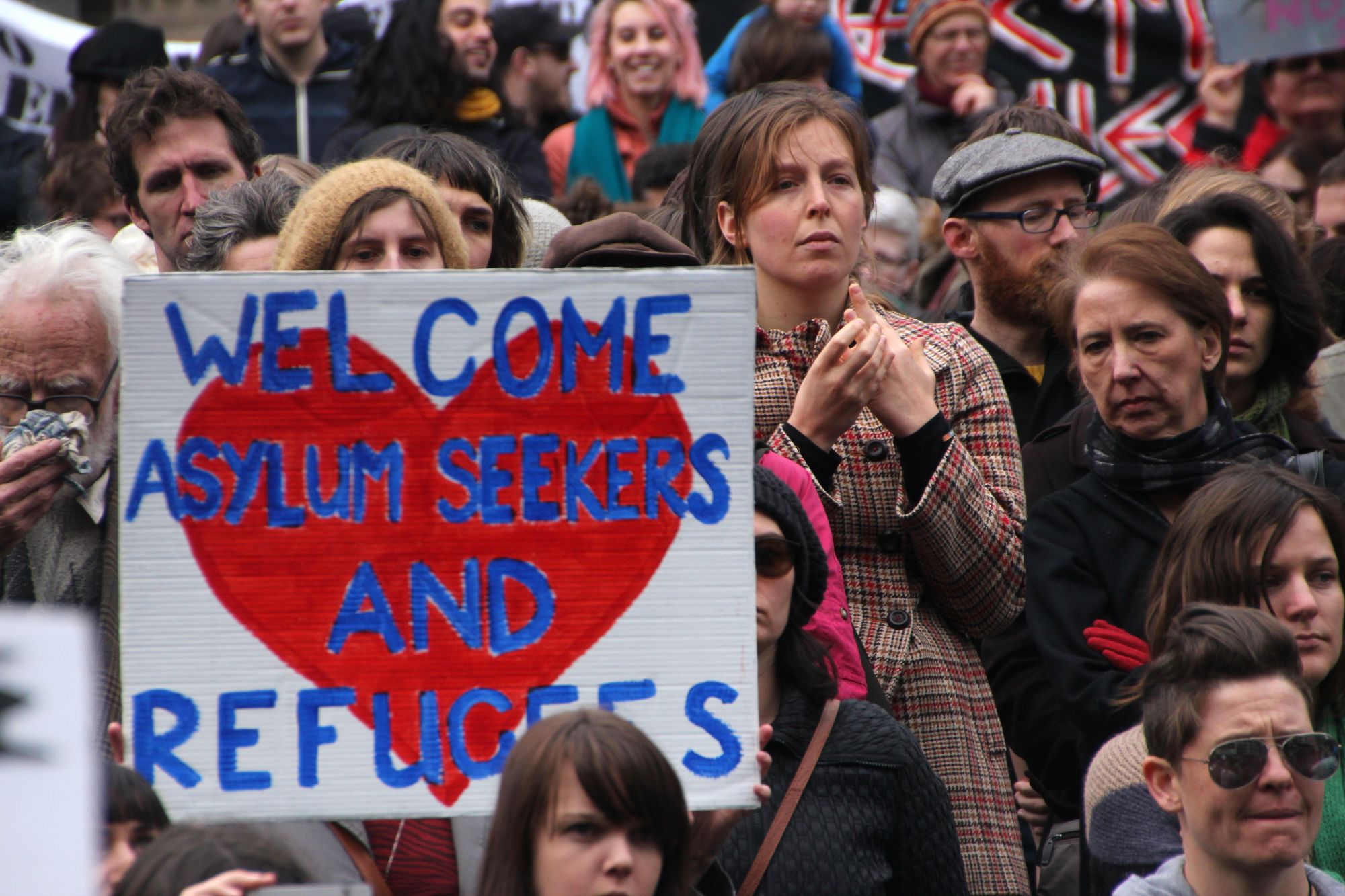 Refugees have long been a much-debated topic in the United States and Europe. As the internet and media technology grows, so does the potential for the rapid spread of false information. It is imperative to separate fear-driven inaccuracies from tangible facts in order to dissolve inaccurate myths about refugees. Here are 10 myths about refugees.
10 Myths About Refugees
- Refugees pose a health risk to U.S. citizens. Refugees’ medical problems usually arise from a lack of access to appropriate medical care in their home country. Other refugees may also contract illnesses while running from persecution. Either way, preventative measures are readily available. Medical treatment in first-asylum camps and in refugee processing centers are two examples of these measures.
- The U.S. does not take sufficient preventative measures to make sure terrorists posing as refugees do not enter the country. The refugee screening process is one of the most rigorous screenings for people entering the U.S. The entire process takes approximately 18 to 24 months and involves collaboration with a number of security agencies, including the Department of Homeland Security and the FBI. The U.S. considers fewer than 1 percent of incoming refugees for residency in the country.
- Smartphones are not a necessity for refugees. Social connectivity across the internet platform is a vital part of job networking, maintaining finances and staying up-to-date with the news. Although refugees should have access to smartphones, less than 50 percent of them have access due to the inflated price rates for smartphone plans and maintenance.
- Refugees and migrants are the same. Refugees and migrants are distinctly different groups of people. Refugees are people who must leave their homes and flee for safety because of life-threatening internal conflict happening within their homeland. Migrants are people who voluntarily leave their homeland in order to search for better job opportunities and living arrangements.
- Refugees take away jobs from local communities. Unemployment exists independently from refugees seeking asylum in other countries. In fact, migrants and refugees have helped increase the workforce in the U.S. by 47 percent over the past 10 years. This is because they tend to take jobs that most people are not willing to do, thus filling in gaps in the job market.
- Most refugees seeking asylum are young men. Approximately 75 percent of incoming Syrian refugees are women and children, according to UNHCR. Additionally, more than half of the refugee population entering Europe to seek aid are women and children.
- Refugees are all Muslims. Although Muslims do fall into the mix of refugees that are fleeing war and persecution, not all refugees are Muslims. Only 24,768 refugees who arrived between January 2016 and August 2016 were Muslim, according to the U.S. Office of Admissions Refugee Processing Center. More than 30,000 refugees were either Christian or of another religious faith.
- All refugees that come to the U.S. lead financially comfortable lives. This varies substantially based on their origins and other important factors. For example, Russian and Iranian refugees may come to the U.S with better education and income than the U.S. average. On the other hand, fewer than 60 percent of Liberian and Somali refugees that arrived were literate in their native language.
- Refugees are exempt from paying taxes. Refugees have an obligation to pay employment, property, sales and other types of taxes just as every U.S. citizen. However, they cannot vote.
- History is repeating itself and the inevitable is bound to happen, no matter what people try to do to prevent mass persecutions. Refugee crises like these stir up fears that a travesty could occur in the near future. People should use education about history should as a motivator to take preventative measures to ensure that such an attack on human rights may never happen again. Displacement could be a sign of dictatorships forming, but through international unity and intervention, preventing such formations is possible.
The inaccuracy of these 10 myths about refugees can be harmful to their integration into new countries like the U.S. With further understanding and knowledge, however, their refugees’ transition into a new life should be much easier.
– Lucia Elmi
Photo: Flickr
