10 Facts About Poverty in the Horn of Africa
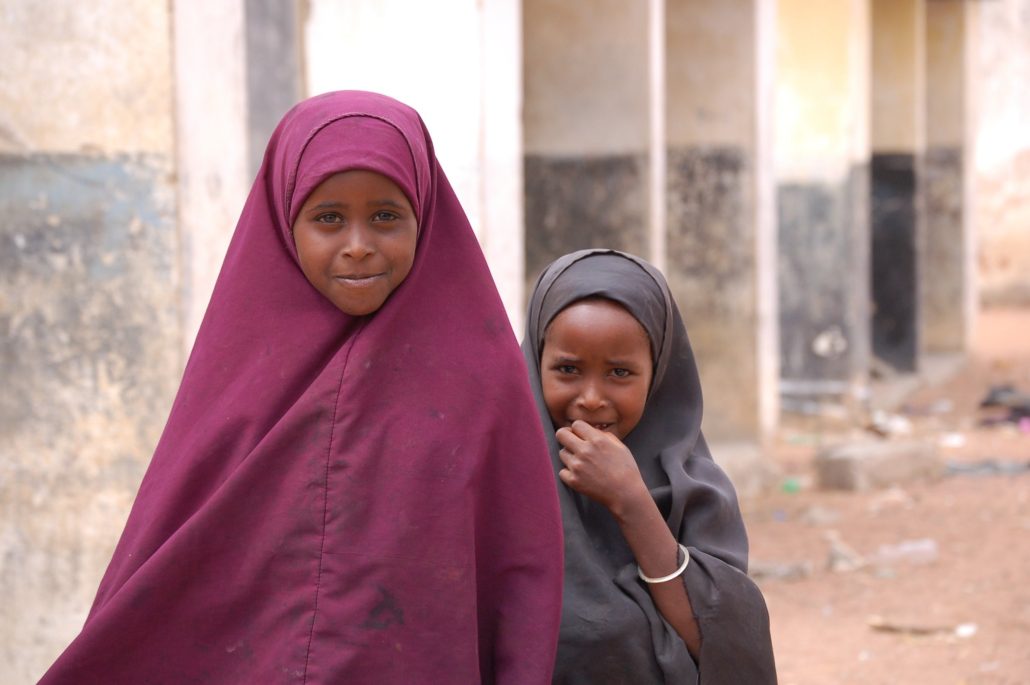
The Horn of Africa is a peninsula that extends into the Arabian Sea and the Gulf of Aden. It includes seven countries: Djibouti, Eritrea, Ethiopia, Somalia, South Sudan, Sudan and Uganda. Here are 10 facts about poverty in the Horn of Africa, how poverty impacts the people of these countries and how their situations can improve.
10 Facts About Poverty in the Horn of Africa
- Food Insecurity in Djibouti: Food insecurity is a major problem for those living in rural areas of Djibouti. While those living in more urban areas of the country do not experience the same levels of poverty, 62 percent of those living in rural Djibouti have little access to food containing adequate nutrition. Djibouti’s climate may be a cause as it makes crop production difficult. As a result, it must receive 90 percent of its food supply as imports, making the country vulnerable to changes in international market prices.
- Drought and Malnutrition in Eritrea: Amnesty International reports that many in Eritrea struggle to meet their basic needs as drought and laws within the country make it difficult to access clean water and limit the availability of basic food supplies. Half of all children in Eritrea experience stunted growth due to malnutrition.
- Poverty in Ethiopia: Ethiopia is one of the most populated countries in Africa and one of the poorest countries in the world. Despite experiencing a massive surge of economic growth since 2000, 30 percent of Ethiopians are still living below the poverty line, and the United Nations has classified 36 million of the country’s 41 million children as multidimensionally poor.
- Conflict in Somalia: Years of conflict have destroyed much of Somalia’s economy, infrastructure and institutions. Forty-three percent of the population of Somalia live on less than $1 a day. Nearly five million Somalis depend on humanitarian aid every day.
- Conflict and Climate in Sudan: Like Somalia, Sudan has faced serious damage to its economy due to conflict. Sudan has also faced serious damage to its agricultural industry due to unpredictable climate and rainfall in recent years. One in three Sudanese children under the age of 5 is underweight due to malnutrition.
- South Sudan, Foreign Investors and Agriculture: Though South Sudan is rich in resources, particularly oil, foreign investors monopolize most of its supplies. The vast majority of workers in South Sudan engage themselves in agriculture and livestock rearing. South Sudan is incredibly vulnerable to changing patterns in rain, similar to its northern neighbors, and it frequently experiences floods and droughts that, in conjunction with conflict and depreciating currency, has left 80 percent of its population impoverished.
- Poverty in Uganda: Uganda has made great strides in reducing poverty over the last decade. However, it still requires more work. Poverty is still a major issue throughout the country, particularly in the northern and eastern regions, which have less access to infrastructure than the rest of the country. In northern Uganda, 29 percent of households do not have toilets and 96.3 percent of households are without electricity.
- The Link Between Poverty, War and Instability: The Horn of Africa is currently dealing with several wars and conflicts. There is civil unrest in Sudan and South Sudan, and terrorism plagues the entire region. In 2017, the Prime Minister of Ethiopia, Hailemariam Desalegn, suggested that poverty is the underlying cause of war and instability in the region and that the best way to foster peace in this high-conflict area is to focus on improving the economies of these countries.
- Digital Technologies: Digital technologies could play a major role in closing the economic gap between these countries and more financially stable regions of the globe. Digitalization of a country is relatively low-cost, and can significantly assist in alleviating poverty through a number of channels. Technology can allow those in rural communities to access education, health care and agricultural information that would dramatically increase productivity. Beyond that, technology allows women and other marginalized populations to enter the formal economy. An International Monetary Fund study stresses the importance of boosting women’s participation in the economy to create economic growth. Taking simple steps in investing in things like mobile phones and the internet could lay groundwork not only for alleviating poverty in the region but also for ensuring equality and lasting peace. This strategy has worked extremely well in countries such as Bangladesh.
- The World Bank’s Initiative: The World Bank has developed an initiative that focuses on alleviating poverty in the Horn of Africa by focusing on building resilience in the region and integrating the region economically.
The Horn of Africa is one of the poorest regions in the world. These facts demonstrate that these nations desperately need the attention and assistance of the global community in order to create stability in the region, and a chance at a better life for the people living there.
– Gillian Buckley
Photo: Flickr
