Slow Fashion Fights Fast Fashion and Poverty
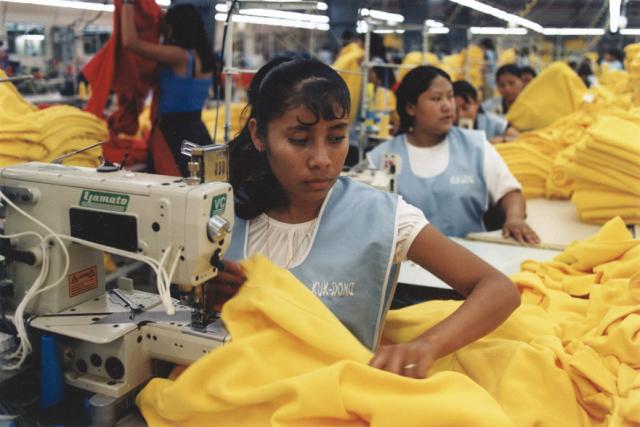
Fast fashion is a term that the fashion industry uses to refer to the cheap manufacturing of runway styles in a quick manner and it has established dominance in today’s consumer market. Top brands like H&M, Zara and Forever 21 utilize this production technique to hook customers on seasonal goods through low-cost labor that often puts employees at risk. Several controversies in the past have led to disasters, taking the lives of thousands and putting into question the ethics of mass production. In the wake of such calamity, slow fashion has risen up as a movement against the large companies. Through the promotion of improved safety measures and higher quality groups, small businesses are attempting to counteract the damage done.
Fast Fashion Disasters
Past grievances physically showcase the drawbacks of the Fast Fashion industry. The work conditions often put employees in dangerous situations which results in severe consequences. The Rana Plaza Factory collapse goes down in history as an example of this for the fashion industry. The factory, located in Dhaka, Bangladesh, manufactured clothing for European and American companies. On April 24, 2013, the building collapsed in on itself and killed 142 employees in the destruction. The disaster was a wakeup call for most, as the building itself violated several safety codes and builders constructed the upper four floors without a permit. The event called into question the ethics and legality of mass production factories. Specifically, the fashion industry entered the debate because not only do companies put lives at risk, but the monetary compensation is notoriously low.
Low Wage Workers
Another significant aspect of this problem is the location of the factories. Companies often take advantage of underprivileged and impoverished nations in order to reduce costs. The wages that citizens of these countries receive often do not measure up to the amount they work. One prime example is with the brand H&M, which has faced recent backlash for failing to provide fair living wages to its workers in various countries, such as Bangladesh, India, Cambodia, Turkey and Bulgaria. While H&M responded by arguing that there is no global standard for a living wage, the Clean Clothes Campaign (CCC) found that workers in Cambodia earn approximately half of those in Turkey. It is therefore evident that the company has been taking advantage of the low quality of life in Cambodia and exploiting the poverty of the nation.
The Slow Fashion Movement
The slow fashion movement has surfaced in recent years as a response to the controversy surrounding fast fashion brands. Members of this crusade work to fight against current practices by producing higher quality goods in safer working conditions and for better pay. These businesses also receive help from organizations like the Good Business Lab, a start-up that focuses on finding a compromise between company goals and employee treatment. At the moment, the nonprofit is located in India and has a sister branch in the United States in order the spread the aid.
The Need for Consumer Awareness
With materials and business practices put under a lens, others have forced the fast fashion industry to refocus itself. The fashion industry is reframing products and their value in the eyes of the public. Additionally, it is finally addressing the imbalance between labor wages and work conditions for the employees. Ultimately, as consumers become more aware of the malpractice occurring behind closed glass store doors, these companies will have to reevaluate their practices and make some drastic changes.
Photo: Flickr
