4 Wildly Underrated African Crops
 Globally, there are about 7,000 domesticated crops. But, today, just four crops–rice, wheat, soybean and maize–account for two-thirds of the consumed calories worldwide. These crops are incredibly nutrient-hungry and added to the common practice of mono-cropping, which has led to the degradation of a third of the Earth’s soil. It is estimated that the global population in 2050 will increase to 10 billion; food production will have to likewise increase by 50 percent to avoid mass hunger. Many scientists think that previously ignored African crops, aptly nicknamed “orphan crops,” are the answer to preventing the oncoming crisis.
4 Wildly Underrated African Crops
- Moringa Trees – Also known as the drumstick tree, Moringa trees are a fast-growing species whose leaves, roots, flowers and seeds can all be used for a variety of purposes including as a dietary supplement, water purifier and food. Eight species of it are native to Eastern African countries and it is also endemic to Southeast Asia. Although completely obscure to most Westerners, it is considered by the Food and Agriculture Organization (FAO) to be one of the most economically valuable African crops. The Moringa’s tiny leaves are incredibly nutritious, being filled with antioxidants, iron, vitamin B6 and more, and are generally ground into powders or packed into capsules to serve as a natural dietary supplement. Its seed pods, which can be consumed both raw or cooked, are also exceptionally high in vitamin C: just one cup of them provides 157 percent of the daily requirement. The seed pods can also be processed into a sweet, non-drying oil.
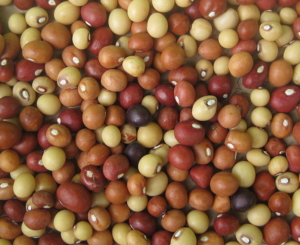
- Bambara Murukku – Ranked as the third most important legume of Africa after peanuts and cowpea, the Bambara is grown mostly by subsistence farmers in semi-arid Africa, thus making it known as a poor man’s crop. Its nuts, which are rich in carbohydrates and protein, can be eaten boiled or roasted or ground into a powder to make flour for usage in bread and cakes. Additionally, Bambara groundnut does not require fertilization as it is self nitrogen-fixing, making it an ideal crop for nutrient-poor areas. Furthermore, the plant is drought-tolerant, making it an ideal crop in the face of climate change.
- Teff – A staple crop of Ethiopia and Eritrea, teff makes up two-thirds of those residents’ protein intake. Resembling a skinny wheat stalk, its tiny, thin grains are used for making bread and porridges and its straw is often utilized as a construction material for reinforcing mud walls. It comes in a variety of colors, with the white grains considered the most prized and the red grains fetching the lowest price. The demand for teff has been the fastest-growing of all the African crops in this article in recent years with exports rising by 7 to 10 percent annually. This has been largely due to the media hailing it as the next super grain as well as an apt gluten-free flour option. The export of injera, the Ethiopian pancake made out of teff flour, has also enjoyed an upward trend in recent years. Ethiopian companies, such as Mama Fresh, regularly fly their injera overseas to eager customers.
- Okra – Although it is disputed whether okra has originated from either West Africa or Southeast Asia, it is generally agreed that it is one of the most important African crops. Grown mainly for their pods and leaves, its fibers can also be used as a construction material, for handicrafts such as baskets or as a kindling fuel. The plant is incredibly adaptable and resilient and can thrive in just about any condition and climate. High in vitamins A and C, iron and calcium but low in calories, the okra has much potential in Western markets as diet food. It has, until recently, been all but unknown outside of its native land. More research and experimentation needs to be conducted on it to unlock its full potential. Currently, researchers are investigating its possibility of being used as a commercial oilseed and medicinal mucilage.
From custard apples to bread trees, there are hundreds more other under-utilized crops in both Africa and around the world. The status quo of the global diet is far too dependent on a mere handful of plants. In order to prepare for and feed the ever-growing population of this planet, people must become more open and adventurous in various culinary tastes by incorporating these orphan crops into daily meals.
– Linda Yan
Photo: Flickr
