How the Breakdown of the Nuclear Deal has Affected Poverty in Iran
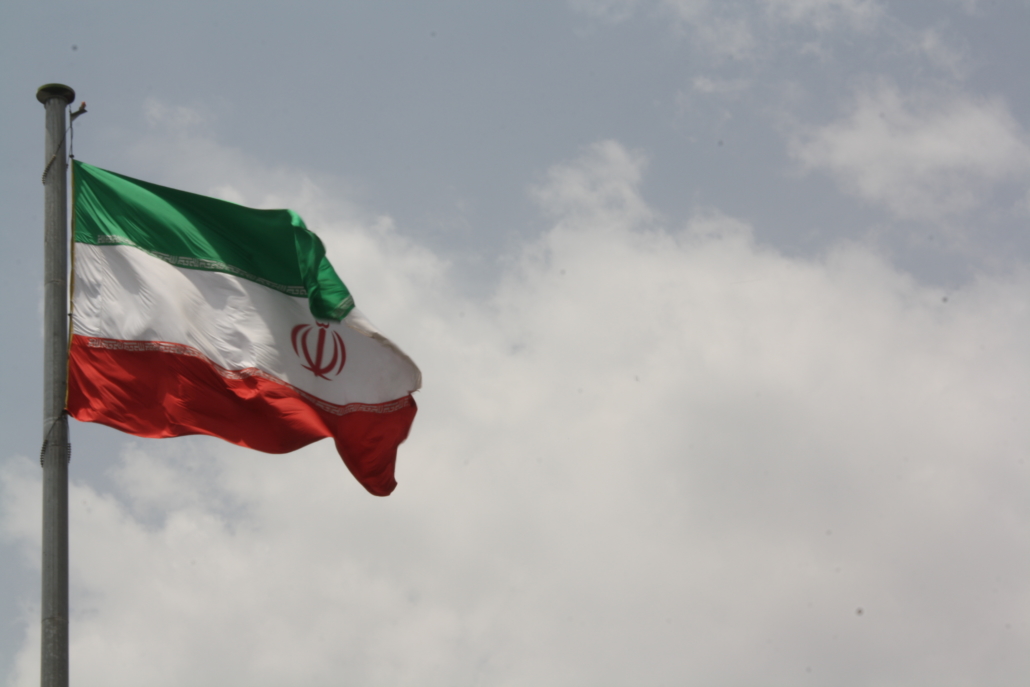
As the relationship between Iran and the U.S. deteriorates, Iran’s quality of living is plummeting, the cost of living is soaring and Iranian citizens are feeling the pressure.
Since the dissolution of the Joint Comprehensive Plan of Action, more commonly known as the Iran Nuclear Deal, in May 2018, extreme hardship has hit the West Asian country. Economic sanctions that the nuclear agreement thwarted are in place again and are damaging Iran’s oil and precious metal sectors, handicapping the country’s export potential.
The primary component of the economic decline is the dent that sanctions are making in the oil sector–which, according to the World Bank, accounts for two-thirds of Iran’s economic growth.
Post-Breakdown Economic Turmoil
Iran’s oil production has already fallen steadily every month since the breakdown of the nuclear deal, according to the U.S. Energy Information Administration, and the resulting impact on the economy is devastating. In April 2019, the World Bank reported that Iran’s economic growth slowed to 1.8% in the first quarter of 2018/2019–down by 4.6% from the previous year. Compounded with years of corruption and mishandling of public funds, the breakdown of the nuclear deal has positioned the Iranian economy in a state of stagflation (negative GDP growth) estimated to continue until April 2020.
Compounding the decline in GDP, the national currency has depreciated by around 60% on the U.S. dollar. An IMF senior official revealed that the inflation rate could reach 40% by the end of 2019. This economic turmoil has reduced accessibility to living essentials, increased societal instability and swelled poverty rates.
Increased Poverty
The World Bank reports that the upper-middle-class poverty rate, which is classified as at or under $5.50 PPP (Purchasing Power Parity), is at an estimated 11.6% for 2018/2019 and forecasted to grow to 12.6% in 2019/2020.
It is essential to note that $5.50 PPP is not a daily income. That figure is usually much lower. According to the Global Basic Income Foundation, PPP is the amount a person can afford to spend on any given day, taking into account both earnings and savings. To put this into perspective, 11.6 percent of people in Iran could not afford to buy something today that costs $5.51.
Higher Prices
With the reimposed sanctions resulting from the breakdown of the nuclear deal, accessibility to living essentials is rapidly shrinking. Even humanitarian organizations struggle to acquire adequate supplies to carry out their work due to soaring prices.
A recent report from the Statistical Centre of Iran revealed eye-opening inflation statistics. Between 2018 and 2019, the price of food and drink increased by 43.5%, clothing and footwear by 33.9%, housing and utilities by 18.2% and health and medical services by 18.8 percent. The overall Consumer Price Index is up by 30.6%.
The amalgam of decreasing wages and currency devaluation is restricting Iranian citizens’ ability to acquire necessities. The World Bank expects Iran’s poverty rate to rise to 12.8% by 2021.
Humanitarian Response
With poverty levels rising in Iran, humanitarian agencies are stepping up to meet the need. Moms Against Poverty is a nonprofit organization that is working to alleviate poverty in Iran through hunger relief, education and orphan care. Since the breakdown of the nuclear deal, Iran has had a 6.3 magnitude earthquake and major flooding. Moms Against Poverty provided natural disaster victims with food, water and blankets, distributed safe heaters and helped rebuild and furnish health clinics and pre-schools in the flooded areas. The organization also funded 2,000 food baskets for the Persian New Year across three Iranian provinces.
The breakdown of the nuclear deal has been economically painful for Iran. Tensions have only risen since the reimposition of sanctions and, as of now, show no signs of alleviating. There have already been multiple conflicts between the U.S. and Iran in the Strait of Hormuz, Iran’s main shipping route, since the breakdown.
Organizations like Moms Against Poverty provide some poverty relief and help the quality of life for many citizens. However, relief on a nationwide scale could be achieved if U.S.-Iran relations are restored or if Iran can boost its economic growth and halts the devaluation of the national currency. For now, the citizens of Iran are feeling the pressure.
– Zach Brown
Photo: Flickr
