3 Organizations Fighting Global Illiteracy
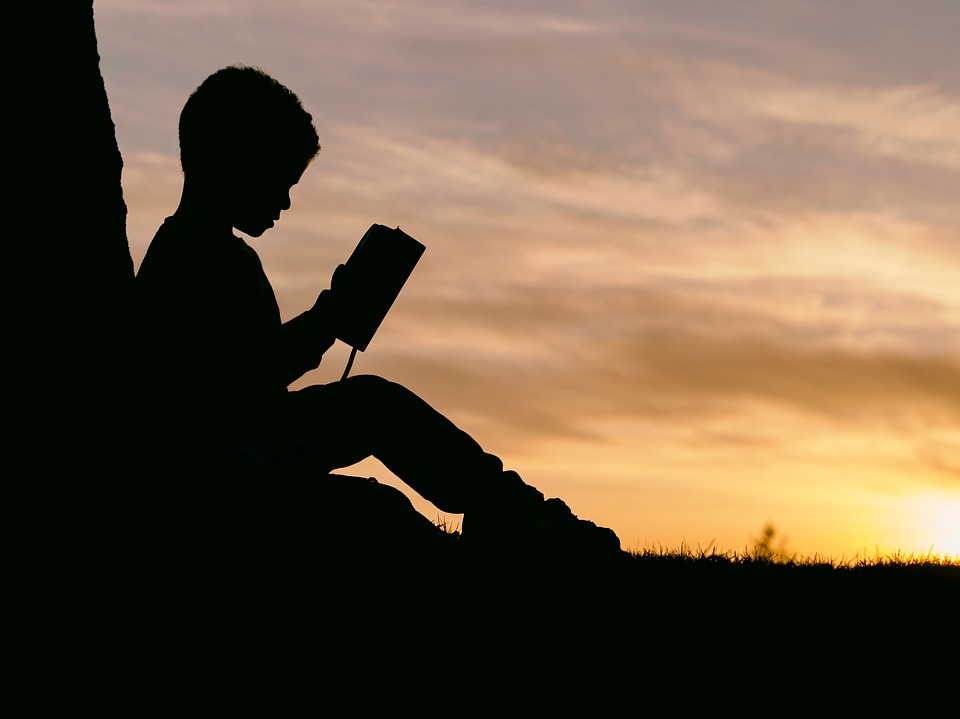
The ability to read and write is one of the few skills with the power to completely change a person’s life. Literacy is vital to education and employment, as well as being incredibly beneficial in everyday life. Global illiteracy is extensive. As of 2018, 750 million people were illiterate, two-thirds of whom were women.
In 2015, the United Nations set 17 goals for sustainable development, one of which included the aim to “ensure that all youth and a substantial proportion of adults, both men and women, achieve literacy and numeracy” by 2030. Though this is an admirable goal, current progress suggests that global illiteracy will remain a substantial problem in 2030 and beyond, due to challenges such as poverty and a lack of trained teachers in some areas. While eliminating global illiteracy by the 2030 deadline seems out of reach, companies and organizations around the world are taking steps toward improving literacy rates, often with the help of technological innovations.
3 Organizations Fighting Global Illiteracy
-
The Partnership-Afghanistan and Canada (PAC), World Vision and the University of British Columbia have collaborated to create a phone-based program aimed at improving literacy rates among rural women in Afghanistan. Women in remote areas who lack local educational resources learn from daily pre-recorded cell phone calls, which teach them how to read and write in Dari, a Persian dialect widely spoken in Afghanistan. The lessons require only paper, a writing utensil and cell phone service, which are widely available throughout the country.
-
The World Literacy Foundation operates many literacy-boosting programs, one of which is its SunBooks project. The project provides solar-powered devices through which students can access digital content and e-books while offline. The SunBooks initiative, intended to boost literacy rates in sub-Saharan Africa, helps young people overcome barriers to literacy such as limited access to books, a lack of electricity and limited internet access. Only 35 percent of schools in sub-Saharan Africa have access to electricity, so traditional e-books are not a viable solution to a lack of books. SunBooks’ content is available in local languages and in English.
-
A collaboration between Pearson Education’s Project Literacy Campaign, the World Bank and All Children Reading: A Grand Challenge for Development has resulted in a project called EVOKE: Leaders for Literacy. EVOKE is a series of lessons on problem-solving, leadership and the importance of literacy, styled as a video game in which the student plays a superhero. EVOKE aims to empower young people to be literacy advocates in their own communities, and more than 100,000 people have participated in the program. The project has shown promise in getting young people excited about reading and writing.
People generally understand literacy as a necessary part of education and the Universal Declaration of Human Rights established it a human right in 1948. Yet still, hundreds of thousands of people cannot read or write. Literacy rates are improving, but not quickly enough to meet U.N. targets. These organizations are making valuable contributions toward fighting global illiteracy so that every person can be empowered.
– Meredith Charney
Photo: Pixabay
