Displacement in Syria
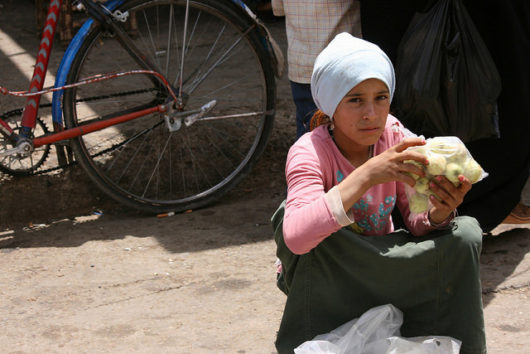
Syria is a country located in the Middle East that has been in constant warfare since 2011, leaving millions of people displaced.
Today, there are several nonprofit organizations that are directly affecting the lives of people that are affected by war and, as a result, displacement in Syria.
United Nations Work on Displacement in Syria
The United Nations estimates that 6.6 million people are internally displaced in Syria. Refugees considered, there are approximately 12 million people in and bordering Syria that need humanitarian assistance.
The United Nations Refugee Agency (UNHCR) has teamed up with other United Nations humanitarian and development agencies to appeal for $8 billion in new funding to help millions of refugees.
The first aspect of the appeal is the Regional Refugee and Resilience Plan (3RP) for 2018-2019.
The plan will give $4.4 billion in support for over 5 million refugees in neighboring countries and close to 4 million people in the communities hosting these refugees.
The second aspect is known as the 2017 Syria Humanitarian Response Plan and seeks to provide $3.2 billion in humanitarian support and protection to over 13 million people in Syria.
The Case of Idlib
Idlib, a city in northwestern Syria, has been hit with bombings and airstrikes in the past few months. It is estimated that over 1 million people living in Idlib were previously displaced from elsewhere in the country and citizens still face uncertainty with constant violence.
Many citizens remain trapped in the city, with the main exits of the city closed. It is estimated that 30,000 people from the city have fled the country since the violence began. More than 2 million people were in need of humanitarian assistance even before the violence began.
Displacement in Syria and Water Issues
Overpopulated makeshift settlements in Syria are often reliant on unsafe drinking water.
It is estimated that 35 percent of the population relies on sources of drinking water that are not safe. Areas with the largest refugee populations have faced drastically low levels of water.
Many refugees rely on less than 22 liters of water a day, less than one-tenth of what the average citizen of the United States uses.
The World Health Organization has tested and treated 650 unsafe sources of drinking water in 2017 alone. The production of water storage tanks and groundwater wells has provided water to over 200,000 people.
The WHO has developed a disease reporting system that monitors the spread of infectious diseases. Around 1670 sentinel sites have been built across the country. This system allows professionals to rapidly detect and respond to typhoid fever, measles and polio in Syria and in neighboring countries.
The WHO is also supporting the integration of mental health services into health care and community centers in Syria. More than 400 health care facilities have been built and are proving mental health assistance.
The WHO also started the Mental Health Gap Action Programme in northwest Syria in 2017. The program has trained more than 250 Syrian health care workers and mental health professionals.
Displacement in Syria is the direct consequence of the constant violence present in the country since 2011. Due to the unsafe situation in the country, people are moving from their homes in search of a safer environment in the country or abroad. Organizations such as WHO and UNHCR are providing important humanitarian support to those in need.
– Casey Geier
Photo: Flickr
