Reducing Maternal Mortality in Central African Republic
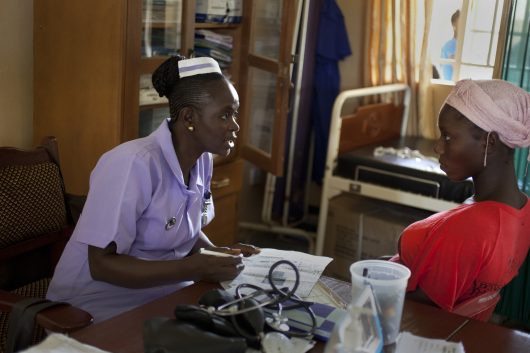 In a country slightly smaller than Texas, the Central African Republic sits in a region that leads the world in pregnancy-related deaths. The maternal mortality rate stands at 890 per 100,000 live-births. Maternal mortality in the Central African Republic is a tragic reality that puts the health and survival of children at risk and places strain on economic development.
One of the major contributors to the mortality rate is a lack of accessible health centers. High teenage pregnancy rates increase the risk of complications. Long distances to health centers increase the impact of those complications. Even when women are able to reach a health center or clinic they are ill-prepared to deal with complications like hemorrhaging or lack the equipment to perform C-sections.
Due to the inaccessibility of viable and prepared health centers, many women opt to give birth at home. Women from poorer communities are more likely to opt for home-birth in response to a lack of transportation or qualified health facilities. With less than two licensed mid-wives per 10,000 people, home-births come with increased risks of complications and death.
Additionally, understanding maternal mortality in the Central African Republic is complicated by a lack of accurate data concerning the cause of death. Even countries with well-functioning civil registration and vital statistics systems (CRVS) have deaths misclassified as maternal or otherwise. Improved data collection could help better statistical research and in turn improve solution-based action.
The most troubling aspect of maternal mortality is that many of these deaths are preventable. Giving birth in the presence of trained personnel is one of the most basic ways to keep mothers safe. Research has shown that giving birth in a facility reduces mortality rates. Here are some suggested solutions to reduce the maternal mortality rate in the Central African Republic:
- Governments can adopt cash transfers to mothers or reproductive health voucher programs which have proved successful in select districts in Kenya. Among the poorest women, facility deliveries and postnatal care doubled after similar introductions.
- Nigeria employed midwives through their Midwives Service Scheme which trains retired, unemployed or newly graduated midwives to work in underserved areas. The initiative increased the use of prenatal care by 60 percent and increased the number of births attended by health professionals by half.
- Providing more reliable transportation at affordable costs using vouchers or cash transfers giving women the option to travel to present health centers.
Medical teams from the Alliance for International Medical Action (ALIMA) are working to support three local health centers in Boda. The clinics provide free prenatal consultation and help with deliveries. They also have midwives that offer family planning and make house visits to ensure new mothers are healthy. ALIMA is funded by the EU’s humanitarian aid department (ECHO). Since the program began in 2014, nearly 13,000 women have benefitted from prenatal care, 3,100 women have given birth at the facilities, and an average of 115 pregnant women are hospitalized each month.
Maternal mortality in the Central African Republic can be decreased drastically with efforts to give access to mothers in need. The people of CAR are in need of better maternity care and with these basic initiatives, hundreds of lives could be spared each year, along with better circumstances for children and economic growth in communities.
– Rebekah Korn
Photo: Flickr
