Relief, Investment and Infrastructure: 10 Ways to Stop Poverty
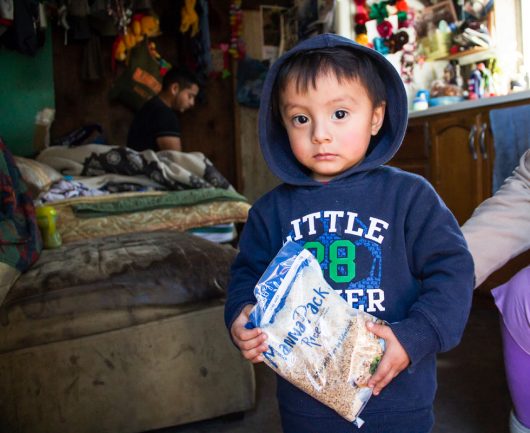
Though there are many ways to combat global inequity, this list of 10 ways to stop poverty addresses several primary concerns, including providing relief, investing in communities, and setting up the infrastructure necessary to further development.
- Improve national and international responses to natural disasters. Though just 26 percent of storms take place in lower income countries, these same countries account for 89 percent of storm-related deaths. The World Bank estimates that 26 million people are forced into poverty as a result of natural disasters, each year. Early warning systems, improved building codes and emergency preparedness strategies can save lives and help save $100 million in damages each year.
- Address water quality and improve sanitation. The entire workforce in France works 40 billion hours per year — the same number of hours spent just collecting water in sub-Saharan Africa. In addition to the value of work and school time lost to water collection efforts, an adequate supply of clean water is essential for agriculture and basic sanitation.
- Address hunger and nutrition. Malnutrition early in life can make children more susceptible to lasting physical and mental disabilities, preventing them from fully participating in the social and economic spheres as adults. The U.N. Development Program (UNDP) aims to end hunger and malnutrition by 2030 through supporting small farmers with land, technology and market access.
- Provide access to healthcare. Every day, 16,000 children die from preventable diseases like measles and tuberculosis, and in Sub-Saharan Africa, AIDS is the leading cause of death among teenagers. Healthcare services including immunizations, disease prevention and treatment are essential to UNDP sustainable development goals.
- Improve gender equality. Combating gender-based discrimination improves agricultural productivity and school attendance, and leads to increases in income. In the long run, gender equality contributes to the family, community and nation-wide development, and is vital to the effort to stop poverty.
- Invest in transportation infrastructure. The availability of transportation is important for access to jobs, education and healthcare. Better transportation infrastructure can also prevent traffic accidents. Worldwide, 90 percent of traffic accidents and resulting fatalities occur in low and middle-income countries, and constitute a larger health risk than malaria or tuberculosis.
- Make microfinance options available. Microfinance provides banking services to people with minimal access to such services. Loans, bank accounts, insurance and help with financial literacy may all be offered by microfinance companies. This allows people living in poverty to participate in economic activities like opening businesses. Currently, microfinance is available to only 20 percent of the world’s three billion people living in poverty.
- Make education accessible. In many countries, students may not be required to pay tuition, but other costs are still associated with school. The cost of textbooks and transportation, plus the money that children might otherwise earn from working, can all keep children out of school. The benefits of education are huge: Child Fund International says that “Education can be the catalyst needed to pull families and communities out of the cycle of poverty.”
- Combat climate change. Life and livelihood are on the line with changing precipitation patterns, rising sea levels, higher temperatures and extreme weather threatening agriculture, food supplies and water quality. UNDP argues that “It is still possible, with the political will and a wide array of technological measures, to limit the increase in global mean temperature to two degrees Celsius above pre-industrial levels. This requires urgent collective action.”
- Gather more information. Individual communities’ development goals must be a part of the effort to stop poverty. To this end, information must be collected regarding the location, necessities and priorities of people living in poverty to correct old or inadequate data and provide meaningful assistance.
– Madeline Reding
Photo: Flickr
