Hippocampus Learning Centres: Education in Rural India
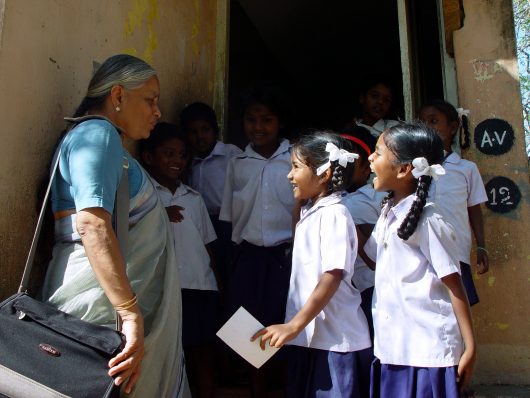 Hippocampus Learning Centres (HLCs) are attempting to close the gap in education and literacy within rural India. These centres are private institutions designed to supplement public schools at an affordable cost to the families in these areas.
The most recent census published by the Indian government in 2011 reported 73 percent of India’s total population as literate. This is an increase from the 2001 census, which stated a 65 percent literacy rate.
At first glance these numbers seem may relatively low for a rapidly growing country with a huge presence in the global market. However, a gap in literacy rates based on location and gender becomes evident when looking more closely at the data.
Rural literacy is estimated to be 68 percent while the urban literacy rate is 84 percent. This disparity grows worse when looking at the difference in these rates among men and women in rural areas: 77 percent of men and only 58 percent of women can read and write.
One of the most commonly cited reasons for lower female literacy is the general attitude towards girls within Indian society. The Indian government has even acknowledged the country’s female infanticide problem.
Girls are seen as a burden due to the still prevalent dowry system in rural, traditional areas. Many families struggle to afford the price of marriage.
These statistics make it evident that India has a strong need for the Hippocampus Learning Centres.
Poverty is another major reason for the gap in education across the board in rural India. Poverty usually correlates with lower quality education as well as less access to schooling.
Many families within these communities rely on agriculture to survive. Consequently, it is common for children to spend their time working on their family’s land to help provide income and food. When these children are able to attend school, the quality of education they receive is sometimes unsatisfactory. In a Times of India article, the author recalls, “most classrooms weren’t being led by teachers, because there simply weren’t enough teachers to take each and every class.”
The Indian government implemented Sarva Shiksha Abhiyan (SAA) in 2001, “to provide for a variety of interventions for universal access and retention, bridging of gender and social category gaps in elementary education and improving the quality of learning.”
SAA has led to numerous schools being built as well as trained teachers and free school supplies. This act was designed to universalize and improve upon elementary education within India.
The program has helped to increase literacy, however reports of underpaid teachers and crumbling rural schools still remain. In addition to structural issues, problems such as the recent water crisis in Kanpur have strained the ability for children in these areas to attend school.
While these schools have a long way to go, Hippocampus Learning Centres are showing promise within rural areas. These centres are designed to fill the gaps within The Right to Education Act passed by the Indian government.
HLC views the current curriculum within rural Indian schools to be inadequate. These private supplemental learning institutions attempt to provide more education for the poor at a low cost, with the help of third party investors.
While Hippocampus Learning Centres show great promise within rural India, there is always room for progress. The continued investment into public schools within rural areas as well as supplemental learning centers could further close the education gap.
– Saroja Koneru
Photo: Flickr
