The US Army’s Failed Anthropology Experiment
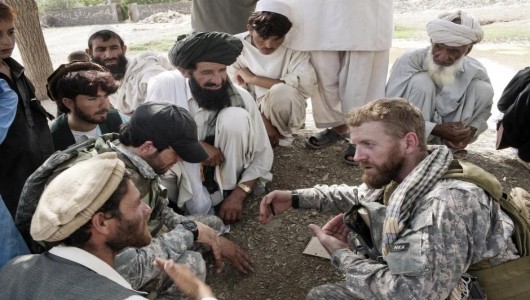
In 2006, a program dubbed the Human Terrain System was introduced to the U.S. Army as an anthropological effort to learn more about the culture of the Iraqi and Afghan people. The program aimed to combine social science with military intelligence to gain more Intel on the cultural factors at play in the countries’ high level of extremism and terrorism. HTS faced substantial criticism from the start, from both experts in anthropology and war, as well as from both left and right-sided politics. The program cost taxpayers an estimated $700 million over a span of seven years before it was halted. The program ended in September of 2014, but the defeat of the program was widely unknown, at least from a public standpoint, until just recently.
Despite the criticism, a multi-sector approach to the conflict in the Middle East could have the potential for tremendous reward. The brisk implementation, lack of adequate organization and training and high level of criticism seemed to completely deplete any and all advantages that HTS could have brought to U.S. efforts. It is widely known and supported that investment in encouraging development in areas of underdevelopment is generally a long term investment in decreasing conflict and therefore strengthening homeland defense. In fact, 84 percent of military officers said that strengthening non-military tools, such as diplomacy and development efforts, should be at least equal to strengthening military efforts, and yet the U.S. spends a tiny fraction of foreign spending on alleviating poverty. Understanding the culture in which soldiers are living and interacting within would be of a tremendous value for U.S. troops. So, why, then, was the introduction of HTS faced with so little support?
For one, the program was developed and implemented rather quickly, and without adequate research and planning. There was little training for workers who would be immersed in an area of high combat, intense climate and a language barrier, which not only put the workers in danger, but also took away from their ability to adequately gather information and inform troops.
Additionally, posing the project as an anthropology initiative posed serious ethical concerns. Some viewed it as the U.S. army gaining knowledge of the culture and its people to more efficiently subjugate violence against them. The anthropological community strongly upheld that argument, which contributed to a lack of support and expertise in that area contributing to the program. Additionally, on the ground, this dilemma brought on varying degrees of suspicion among Iraqi and Afghan people, which could further put the HTS workers in danger.
Also, the lack of adequate leadership and development of the program left room for major problems in mismanagement, corruption, racism and sexual harassment. The program was cited for hiring unqualified workers at all levels. The impossible work environment and lack of general expertise and professional knowledge rendered the program nearly ineffective.
Overall, the program, at first glance, would seem potentially invaluable for both domestic military leaders and for the troops actively engaged on the ground. However, the mismanagement and lack of seriousness of the program made for an ineffective and potentially dangerous program. The quiet termination of the program was needed, but it also further complicated the issue of future efforts in combining social science with military activism. Instead of using the program as a one time effort that failed and from which we can move on, we should use the failure as a learning opportunity. Using experts from both fields to create a working program with credible leadership and intensive training could not only give the U.S. Army an advantage, but also decrease overall violence in the areas where implemented. We also need to remove some of the strict labels put on such projects due to the political associations they may have, which could influence the support of projects, something they really lack.
– Emma Dowd
Sources: Bloomberg, Foreign Policy
Photo: Newsweek
