• Link to X
  • Link to Facebook
  • Link to Instagram
  • Link to TikTok
  • Link to Youtube
  • About
    • About Us
      • President
      • Board of Directors
      • Board of Advisors
      • Financials
      • Our Methodology
      • Success Tracker
      • Contact
  • Act Now
    • 30 Ways to Help
      • Email Congress
      • Call Congress
      • Volunteer
      • Courses & Certificates
      • Be a Donor
    • Internships
      • In-Office Internships
      • Remote Internships
    • Legislation
      • Politics 101
  • The Blog
  • The Podcast
  • Magazine
  • Donate
  • Click to open the search input field Click to open the search input field Search
  • Menu Menu
Blog - Latest News
Global Poverty, Health

Why This Year’s Flu Epidemic May Be the Worst One Yet
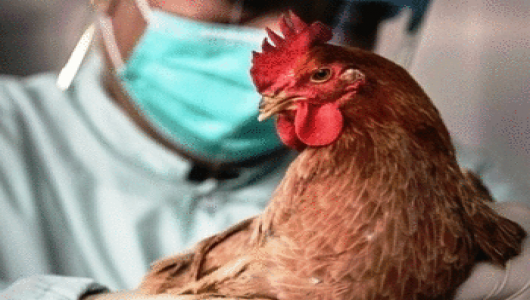
Why this year's flu epidemic may be the worst one yet - TBP

Every winter, the elderly line up at their local drug store and people start walking around cities with face masks—all hoping to avoid getting this year’s strain of the flu. But much like many other diseases, the flu hits people in undeveloped countries, who have minimal access to quality healthcare, harder than it hits those in the United States. This summer, poultry farmers in West Africa are hit particularly bad as the flu epidemic spreads between their livestock.

“[Poultry farming] was our main activity for revenue,” said Naba Guigma, a poultry farmer from Burkina Faso’s Boulkiemde province, a region hit particularly hard by this strain, told IRIN. “Now I have no more poultry. The henhouse is empty.”

Millions of other farmers find themselves in the same situation as Guigma, as the sector has been steadily growing in West Africa since 2005. In Cote d’Ivoire alone, jobs in poultry farming have increased by 70% between 2006 and 2015, according to the U.N.’s Food and Agriculture Organization (FAO). This kind of job growth means that this epidemic does not only affect individual farmers but damages the entire regional economy.

The strain was confirmed to be H5N1, a particularly deadly strain of the bird flu or H1N1 that circled Africa, America and beyond in 2008 and 2009. First identified in January in Nigeria, this poultry flu has since shown up in Cote d’Ivoire, Burkina Faso, Ghana and Niger. Before January, what is commonly known as “bird flu” had not been seen in the region since the epidemic in 2008.

This strain of the disease is particularly dangerous because it can kill the chickens before it is recognized. Guigma initially thought his chickens and guinea fowl were sick with the Newcastle virus, a routine poultry disease. Just two weeks after Guigma first noticed the signs of disease, all of his 120 birds—worth up to $515—died, leaving Guigma without any source of income and with higher prices for poultry in his region.

“At this point, we don’t know very much about these viruses,” said CDC officer Alicia Fry at a press conference with the International Business Times in April. However, given that the virus kills animals in a radius of a contaminated copse and the main way of dealing with exposed animals is killing them on compensating their owners, the future does not look bright for these poultry farmers.

“Nothing about influenza is predictable—including where the next pandemic might emerge and which virus might be responsible,” the United Nations health agency told International Business Times in March. According to the World Health Organization, if this flu is not well-monitored, it could be worse than the 2009 swine flu outbreak that killed over 284,000.

– Eva Lilienfeld

Sources: IB Times 1, IB Times 2, Irin News
Photo: Newshunt

July 22, 2015
Share this entry
  • Share on Facebook
  • Share on X
  • Share on WhatsApp
  • Share on Pinterest
  • Share on LinkedIn
  • Share on Tumblr
  • Share on Vk
  • Share on Reddit
  • Share by Mail
https://borgenproject.org/wp-content/uploads/borgen-project-logo.svg 0 0 Borgen Project https://borgenproject.org/wp-content/uploads/borgen-project-logo.svg Borgen Project2015-07-22 17:10:322024-05-24 23:42:48Why This Year’s Flu Epidemic May Be the Worst One Yet

Get Smarter

  • Global Poverty 101
  • Global Poverty… The Good News
  • Global Poverty & U.S. Jobs
  • Global Poverty and National Security
  • Innovative Solutions to Poverty
  • Global Poverty & Aid FAQ’s
Search Search

Take Action

  • Call Congress
  • Email Congress
  • Donate
  • 30 Ways to Help
  • Volunteer Ops
  • Internships
  • Courses & Certificates
  • The Podcast
Borgen Project

“The Borgen Project is an incredible nonprofit organization that is addressing poverty and hunger and working towards ending them.”

-The Huffington Post

Inside The Borgen Project

  • Contact
  • About
  • Financials
  • President
  • Board of Directors
  • Board of Advisors

International Links

  • UK Email Parliament
  • UK Donate
  • Canada Email Parliament

Get Smarter

  • Global Poverty 101
  • Global Poverty… The Good News
  • Global Poverty & U.S. Jobs
  • Global Poverty and National Security
  • Innovative Solutions to Poverty
  • Global Poverty & Aid FAQ’s

Ways to Help

  • Call Congress
  • Email Congress
  • Donate
  • 30 Ways to Help
  • Volunteer Ops
  • Internships
  • Courses & Certificates
  • The Podcast
Link to: Ryan’s Well Foundation Brings Clean Water to Communities in Uganda Link to: Ryan’s Well Foundation Brings Clean Water to Communities in Uganda Ryan’s Well Foundation Brings Clean Water to Communities in Uganda Link to: Why You Should Vote for a Candidate With Foreign Policy Experience Link to: Why You Should Vote for a Candidate With Foreign Policy Experience Why You Should Vote for a Candidate With Foreign Policy Experience
Scroll to top Scroll to top Scroll to top