The Missing Global Middle Class
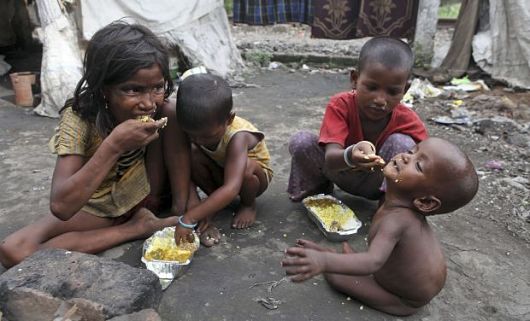
Although one billion people have risen out of extreme poverty in the past 15 years, concerns still remain. Amid the success in this impressive reduction, there are new concerns over how those who have risen up out of extreme poverty are transitioning into a working middle class.
A new study from the Pew Research Center found that, despite slight growth in the population living on between $10-20 per day (middle income), the growth was largely concentrated in specific regions of the world. These hot spots of growth include China, Eastern Europe and South America. In areas where extreme poverty is extremely concentrated, such as in India, Southeast Asia, Africa and Central America, growth was minimal. Furthermore, there are still large inequalities in wealth distribution, as demonstrated in the areas that have the majority of middle and upper income populations—North America and Europe.
The study also notes that even in these specific areas of improved prosperity, the improvements in their standards of living and qualities of life did not improve as much as may have been expected. Another reason for small middle class growth, despite larger reductions in extreme poverty, is the volatility of climate change. Of the many factors that push people back into poverty, climate change is increasingly understood as the true threat, as changing weather brings its effects to light.
The lack of growth in the middle class has huge implications on individual countries and globally. The middle class was predicted to have grown, which would have increased national economic and political participation and boosted health outcomes.
Many experts associate the development of the middle class with a certain advantageous social structure that benefits the country as a whole. The middle class is generally able to focus less on strictly surviving, which enables them to make certain choices about the kind of lives they want to live, and to demand rights to make those choices, which leads to, all around, more developed nations.
Still, over 70% of the world’s population lives in poor to low-income levels, and progress still needs to be made. The disparities seen, despite progress, are calls to action. One of the biggest public health and developmental challenges we face today is that of inequality and inequity. Seeing such discrepancies on a global level is further proof that this is a problem that needs global attention.
The report brings attention to the fact that, although poverty reduction has been successful in some cases, on a more global and long-term level, changes need to be made. There need to be more effective strategies aimed at not only helping people come out of poverty, but also helping people stay out of poverty. We now know that the effects that we had hoped to see as a result of poverty reduction have many intermittent steps and barriers that also need to be addressed in order to see the kind of results that were predicted. The benefits of a growing middle class are achievable and progress in poverty reduction is the first step, but until the other barriers that new global middle class members face are also addressed, people, their nations, and the world will not see the maximum benefits.
– Emma Dowd
Sources: BBC, Pew Global
Photo: Deccan Chronicle
