These 5 Agricultural Technologies Are Eradicating Global Poverty
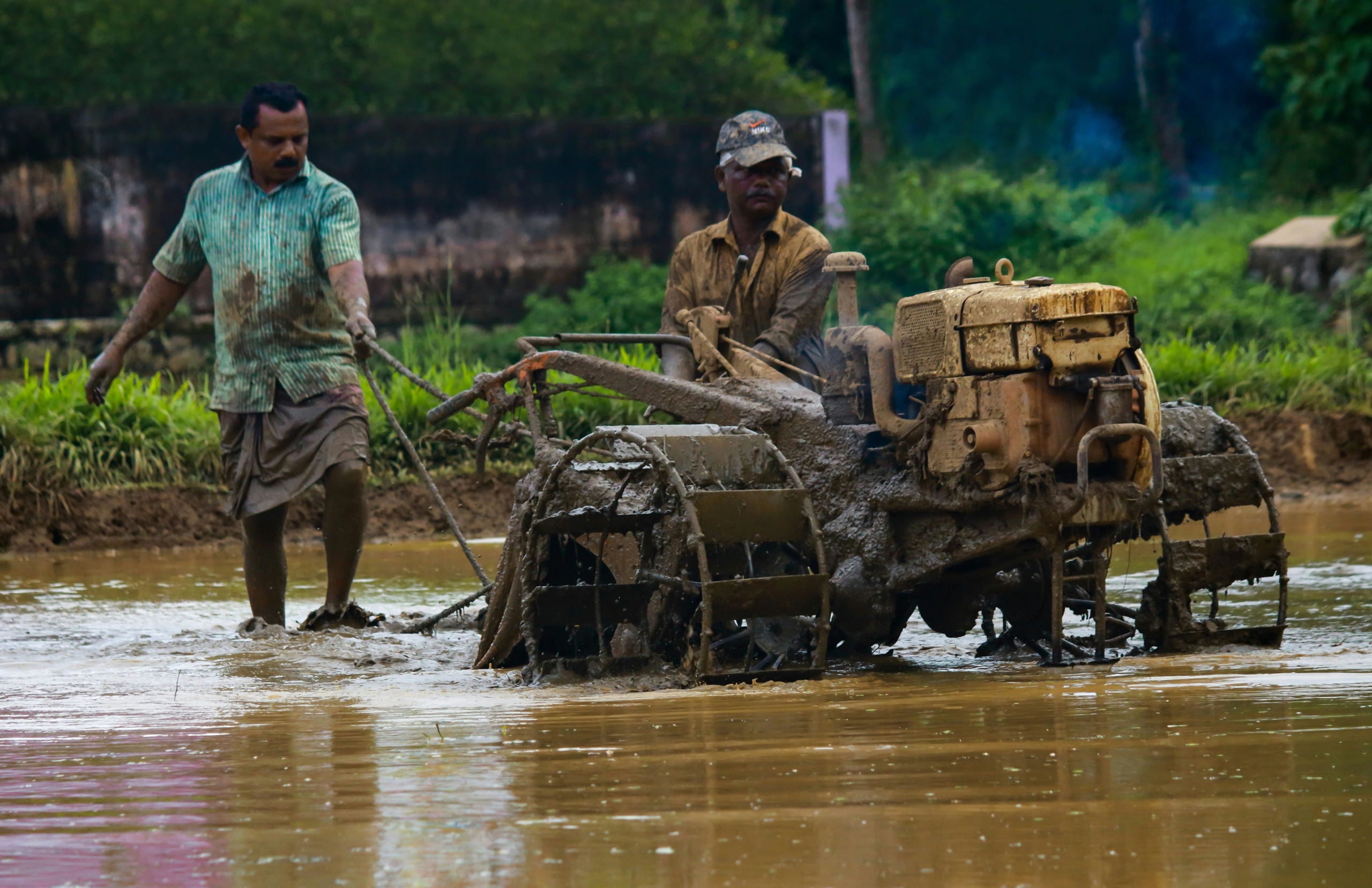 With a rapidly growing human population and dependency on agriculture, it is more apparent than ever how crucial agricultural technologies are to help end global poverty. Reports suggest that “by 2050, the global population size will have increased by 46%, requiring increased agricultural production to ensure food security.” The primary victims will be the global citizens already living below the poverty line. Still, this potential reality will simultaneously pull families that have never experienced poverty into poverty.
Here are five agricultural technologies that will help fight back against these threatening projections and statistics.
- Agricultural Data Platforms: Agricultural data platforms combine many crucial aspects of agricultural data in one accessible platform. These platforms not only provide farmers with essential information such as crop health and soil moisture but can also help provide policymakers and legislators with real-time information, which can help inform accurate decisions regarding policy seeking to alleviate the effects of poverty. A case study from Spain highlights the positive impact of a data-sharing platform on the fruit and vegetable district. The farmers reported that the platform allows them to aggregate farm data, public data on climatic conditions, plant diseases and market conditions into a single space. This consolidated information is available for various queries, fostering improvements within the agricultural community. The success of this platform demonstrates its potential applicability for the benefit of farmers in different regions.
- Land Optimization Modeling: Land optimization modeling relies on computational techniques to guide decisions on crop types and planting locations, much like agricultural data platforms. Unfortunately, farmers’ land use is often influenced more by stakeholders than by scientific considerations. According to Liu et al., land-use coordination is a multiple stakeholder game, involving different interests in local land-use competition. The modeling helps rectify this power imbalance, returning financial control to farmers who frequently live below the global poverty line. A study along the Yangtze River in China highlights the benefits of land optimization modeling. The system adjusted production, living and ecological land proportions to 59.85%, 8.34% and 31.81%, respectively, better aligning with future demands for food security and ecological protection.
- E-extension Platforms: E-extension or electronic extension platforms use the internet and various Information and Communication Technologies, or ICTs, to support rural agricultural communities primarily through education and training initiatives. By training the people involved in growing, maintaining and harvesting crops, E-extension platforms help enable a sense of autonomy within the local community. They can open up opportunities for further financial stability. The Sasakawa Africa Association (SAA) operates in 16 different African countries. In Uganda, the SAA helped train young farmers to become agricultural commodities teachers, leading to increased agricultural productivity overall.
- Market Information Systems: Market Information Systems focus on providing farmers with real-time financial information so they know how much to sell their crops for and whom to sell them to. In fact, these systems help make the financial markets more transparent to farmers who may have limited access to or do not understand how the markets operate. This component is essential to ensuring farmers and their communities are paid accurately rather than being taken advantage of by stakeholders or corporations. Market information systems have become more and more popular in the 21st century. For example, in India, the Indian Agribusiness Systems Private Limited (IASL) has helped farmers better understand and interact with stocks, arrivals, prices, forecasting and more.
- Small-Scale Irrigation Technologies: Small-scale irrigation technologies vary in many ways, but the primary goal of each is to provide water to small-scale farms sustainably. This change is especially beneficial to developing regions that battle scarce rainfall and/or droughts and, therefore, lack stable crop access. These technologies include drip irrigation, rainwater collection, solar-powered pumps, community irrigation schemes and more. In a study done on the impacts of small-scale irrigation in Ethiopia, it was found that “…participation in small-scale irrigation has a positive effect on the majority of household livelihood diversification, and expanding irrigation schemes improves rural farm households’ livelihoods.”
Looking Ahead
These agricultural technologies, despite facing criticism, exhibit significant promise and are currently implemented successfully worldwide.
By empowering farmers and local communities, these technologies provide better financial prospects and agency. Simultaneously, on a global scale, they contribute to a more stable food supply, preventing a rise in poverty rates.
– Piper Jenkins
Photo: Unsplash
