3 Diseases Impacting Kenya
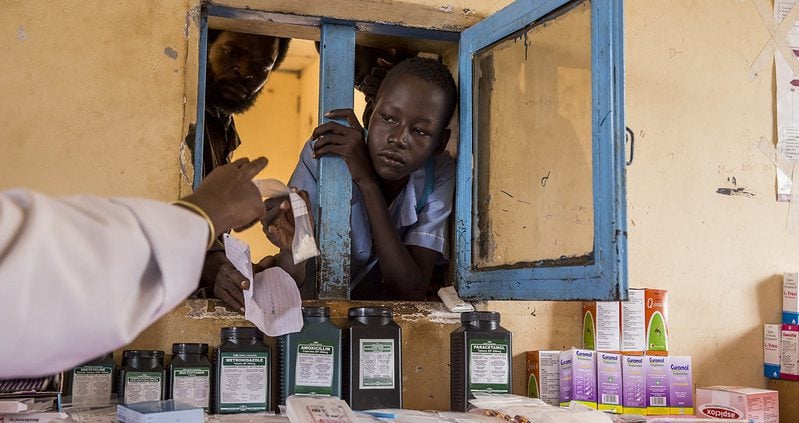 Three of the main diseases impacting Kenya are HIV/AIDS, tuberculosis (TB) and malaria. While these remain public health concerns, Kenya has made great strides in addressing them.
HIV/AIDS
As of 2026, roughly 1.5 million people in Kenya are living with HIV, making it one of the world’s largest HIV epidemics. However, HIV testing has improved significantly in recent years, largely due to community-based approaches and the use of new technology. In collaboration with the CDC, Kenya’s Ministry of Health has decentralized HIV testing by moving laboratories closer to their patients. This shift has resulted in faster delivery of test results. While it used to take two weeks for viral load test results, it now only takes a few days.
The Sustainable East Africa Research in Community Health (SEARCH) study, led by a group of Kenyan, American and Ugandan researchers, used a similar method to reduce new infections. Instead of having patients travel to a clinic, SEARCH employed a team of health workers to deliver tests and preventative medications directly to patients’ homes. From there, the workers used a smartphone app to keep track and inform clinics.
The SEARCH trial involved 16 rural communities, with eight in Kenya and eight in Uganda. In these areas, it led to a 70% decline in new cases. Out of its 80,000 participants, 95% were put on treatment and nearly 95% achieved undetectable levels of HIV.
Tuberculosis
HIV and TB in Kenya are directly connected. Dr. Gabriel Chamie, one of SEARCH’s co-investigators, notes that “the immune suppression caused by HIV dramatically increases the risk of tuberculosis.”
In October 2025, Kenya’s government announced the deployment of 80 portable X-ray machines to help fight TB. Battery-powered and weighing only 11 pounds, the machines use computer-aided detection software to flag early signs of TB. In remote areas where medical professionals are scarce, this offers a vital tool for fighting TB.
More recently, Kenya became part of an early-adopter initiative to improve TB testing. Following WHO recommendations, the country has introduced rapid, swab-based tests as the first line in TB diagnostics. Like the X-ray machines, they are battery-powered, allowing them to operate in places without consistent electricity. The swab tests will complement traditional sputum tests, which remain important for identifying drug-resistant TB.
Despite social stigma, logistics and other challenges, Kenya continues to fight against TB. Since 2015, the country has seen a 45% decline in TB incidence, as well as a 58% decline in TB-related deaths.
Malaria
The CDC estimates that every year there are more than 3 million malaria cases in Kenya, resulting in more than 11,000 deaths. Young children are at especially high risk.
In 2019, Kenya was one of several countries that the WHO selected to receive doses of RTS,S, the world’s first malaria vaccine. The rollout began in western counties along Lake Victoria, where transmission rates are highest. In Homa Bay County, on Lake Victoria, malaria infection rates fell from 27% to just 3.6% in the span of five years.
Nationwide, 400,000 children have received at least one dose of the four-dose vaccine. The vaccines, along with existing measures like mosquito nets and insecticides, have helped reduce Kenya’s malaria incidence. Between 2004 and 2024, the cases per 1,000 population fell from 184 to 74.
These diseases are closely linked to poverty in Kenya. For example, a 2024 study found that food insecurity made access to care more difficult for people living with HIV. Furthermore, Kenyans still pay about a quarter of their health expenses out of pocket, and for those already near the poverty line, this can be disastrous. In 2018, around one million people were pushed into poverty by out-of-pocket payments.
HIV, tuberculosis and malaria are only a handful of the diseases impacting Kenya. Yet by meeting these challenges head-on, and continually testing new strategies and technologies, the country is working toward a healthier and more prosperous future.
– Harland Pusey-Nazzaro
Harland is based in Brunswick, ME, USA and focuses on Business and Technology for The Borgen Project.
Photo: Flickr
