Mental Health Services and Online Therapy in Nigeria
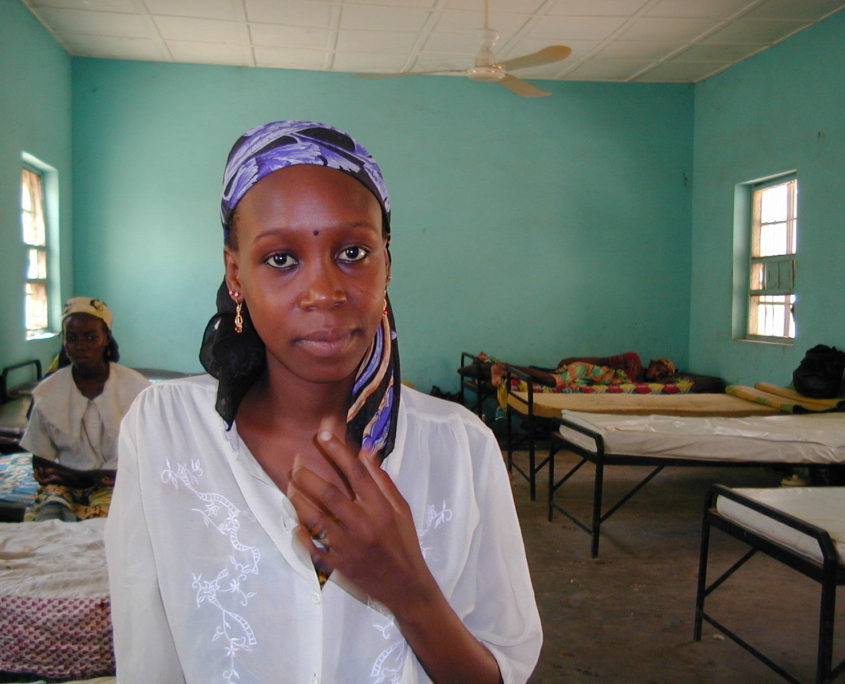 In a country with a population of nearly 200 million, there are only 250 psychiatrists in Nigeria. These services mostly exist in urban areas. With 70% of the population in rural communities, it is difficult to access mental health services. One in four Nigerians suffer from mental illnesses, so there is a high need for these services, specifically therapy.
Mental Health Services
In Nigeria, there are limited resources for mental health services. An estimated 80% of people with mental illnesses are not able to access the correct care facilities. The majority of care is in the hand of family members, who are not properly trained or informed. The lack of facilities, resources and proper information on mental health services and illnesses worldwide is why the World Health Organization (WHO) is determined to help. In a 2013 mental health action plan, the WHO planned to have 50% of countries by 2020 update or expand on its law in order to revise with the international and regional human rights instructions.
Militant Group Causes Need for Therapy
One significant reason for the need for therapy in Nigeria is the militant group Boko Haram in the northeastern part of the country. The group has been trying to gain more territory, and in doing so, it has caused more than 20,000 deaths and nearly 1.8 million people displaced from their homes, according to a June 2019 report. In Maiduguri, the group’s violence has affected almost the entire population. Due to the ongoing brutality, many are suffering from post-traumatic stress, and the WHO recorded that Nigeria has the seventh-highest number of suicides in Africa.
Online Therapy in Nigeria
Nearly 103 million Nigerians have access to the Internet. As such, receiving virtual therapy is far easier than traveling to one of the few facilities in the country. A typical therapy session can be about $70 a meeting, which is unaffordable for most of the population since the minimum wage is $49 a month. Online therapy makes for an easier and a more reasonable form of care.
Additionally, online therapy is an easier option for some because it does not require the person to be face to face with the therapist. The patient is able to have these conversations from the comfort of their own home. Services like Talkspace, Calmerry and Amwell include packages that can be paid for weekly, and some even accept insurance. These packages may also include unlimited messages, live video chats and phone calls. All of the programs also go through a questionnaire process to match the patient with the best therapist for them.
Another program, MANI, is run through Twitter and WhatsApp. The nonprofit mental health service has counselors that are volunteer psychiatrists and medical officers. Since volunteers run the program, a patient cannot receive more than five sessions. However, the suicide hotline is always free to call.
It is clear that Nigeria needs more mental health services. Therapy is hard to access and often too expensive. With the country’s rising population, there is still a long way to go in order to provide reasonable access to people suffering from mental illnesses. However, through these online programs, therapy in Nigeria is increasing. Additionally, with the growing amount of Internet access, there is now an increase in the availability of these services.
– Sarah Kirchner
Photo: Flickr
