Telemedicine Plays a Bigger Role in Healthcare in Ghana
EPI, A nonprofit organization based in Ghana, operates in remote locations where electricity is almost nonexistent, and medical centers are extremely scarce. By building playgrounds that generate electricity, EPI prioritizes children’s entertainment as much as their health and education.
The Borgen Project had the opportunity to speak with Ben Markham, the founder of EPI, about healthcare in Ghana. According to Markham, when a student falls extremely ill at school, a teacher will accompany the student to the nearest trained nurse, if one exists. The student and teacher will often travel by foot out of town, and if the medical emergency is severe, the teacher will leave the student at the facility and walk back to the community to inform the child’s parents.
Fortunately, healthcare in Ghana is transitioning to include more technology and communication channels. With substantial telehealth investment injected into rural Ghanaian towns, these communities stand a chance to receive basic health supplies and on-demand medical attention through telehealth methods.
Telemedicine is More Accessible Than In-Person Visits
In response to COVID-19, Ghana’s Ministry of Health proposed to open 94 new hospitals across the country between 2020 to 2021. In a statement addressed to the nation, Ghanaian president Akufo-Addo said that the pandemic exposed “the deficiencies of the healthcare system,” casting blame towards under-investment. So how will the addition of more hospitals benefit areas outside of the country’s municipalities?
Lack of basic healthcare in Ghana stands as a serious issue in the non-urban areas of the country. Nearly half (49 percent) of Ghanaians live in rural communities, and many communities lack a central facility and have a shortage of medical professionals. The Ghana Health Service (GHS) has partnered with various entities to solve this problem on the ground.
For example, Community-Based Health Planning and Services (CHPS) trains volunteers to provide health services in rural communities. Additionally, GHS has partnered with Novatoris Foundation to develop teleconsultant centers. These centers allow community nurses, who usually lack equipment and staff, to speak with urban nurses over the phone when medical urgencies arise, such as childbirth.
Within the last ten years, healthcare in Ghana has seen emerging interest and attention directed toward telehealth. When the first teleconsultant centers opened in 2011, 60 percent of calls were maternity-related, mainly due to the fact that the majority of maternal mortality occurred in rural areas. In effect, telemedicine became an avenue of investment to bridge spatial and temporal gaps for remote Ghanaians.
Vodafone Proves to be a Major Player in Ghanaian Health
Among technologies and assets helping Ghanaians stay informed about their health, the cellular company Vodafone stands out.
The company has partnered with Ghana’s healthcare industry through its philanthropic arm, Vodafone Ghana Foundation. In 2019, the foundation cleared the medical debts of 180 Ghanaian patients who had been discharged yet detained due to outstanding hospital bills. Upon settlement, all 180 former patients were released from detention. In 2018, the company partnered with the central government to monitor epidemics, specifically targeting the Ebola virus, by aggregating heat maps from customers’ GPS movements. They are doing the same with coronavirus today.
In the spring of 2020, as the novel coronavirus moved into Ghana, Vodafone stepped in to dispel misinformation. The Vodafone Healthline Medical Centers, call centers equipped with medical experts, expanded services to include representatives who communicate in a variety of local languages including Ga, Twi, Fante, Ewe and Hausa.
Managing Expectations
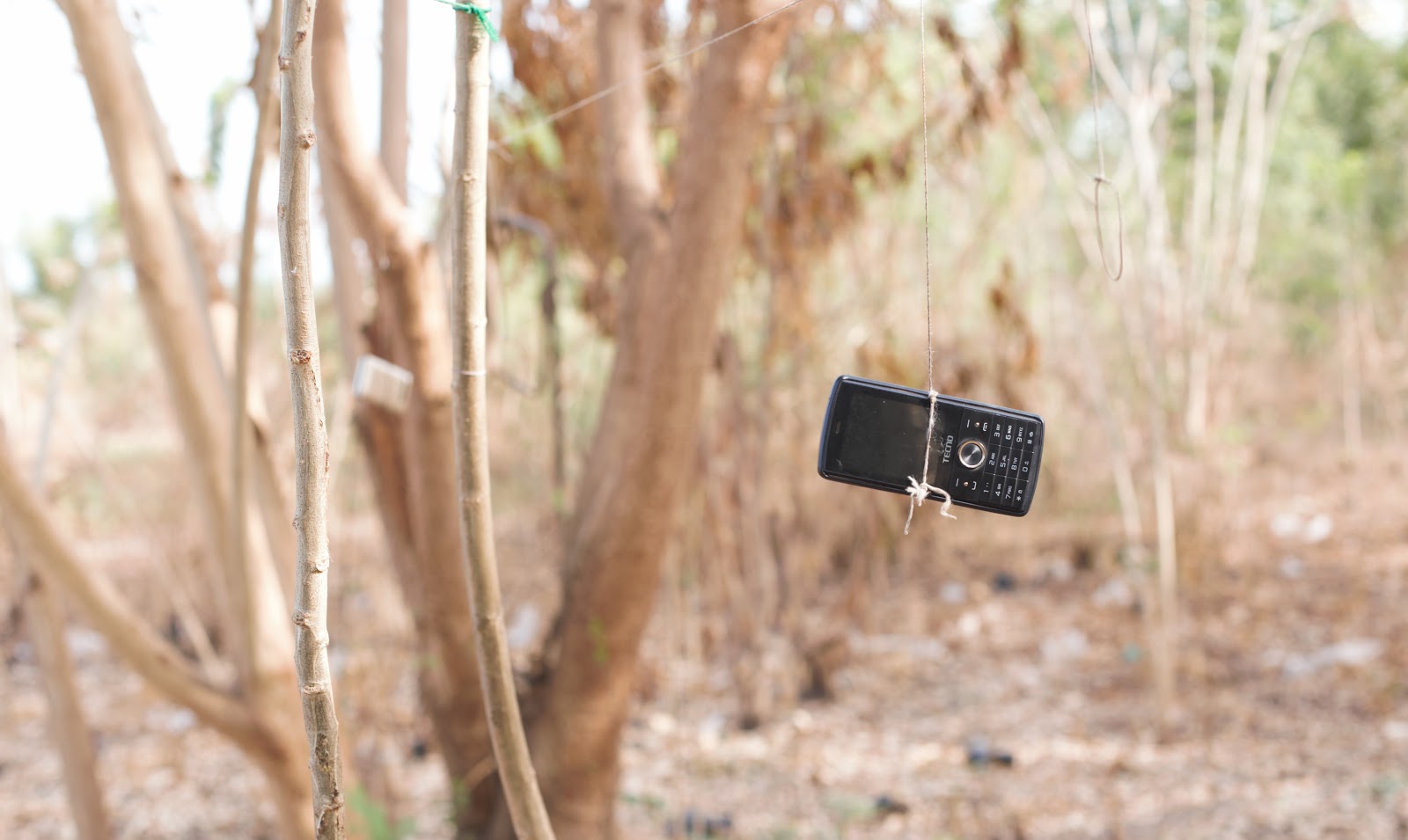
Markham and his staffers know of telemedicine services, but they remain skeptical. Cellular signal breaks up where cell towers are not present, and towers can often be 32 kilometers outside of a remote community. In addition, many Ghanaians turn their cell phones off to save battery, since many of them are still powered with AA batteries rather than chargers. Cell phone credits are also considered precious, leading to many people turning their devices off to save unused credits. All these factors could inhibit the ability of telemedicine to improve healthcare in Ghana.
However, Markham feels optimistic about the role that technology can play in providing health services to rural-based Ghanaians. He believes grassroots efforts, such as the Community-Based Health Planning and Services, should continue to expand at the same rate as telehealth and tech-based health initiatives.
– Victoria Colbert
Photo: Empower Playgrounds, Inc.
